Top Island Family Resorts in America: Complete Strategic Guide
Island hospitality operates under unique structural constraints distinct from mainland resort developments. Isolated geography limits supply chains, shapes staff staffing models, and restricts infrastructure access across domestic island destinations. Traveling families encounter operational realities where ferry schedules, tide fluctuations, and island energy grids dictate daily routines. Evaluating island properties requires looking beyond romantic coastal marketing to examine physical logistics, medical access, and spatial accommodations.
Island environments vary dramatically across United States territories and coastal states. Tropical Pacific archipelagos offer year-round marine biodiversity, yet demand long air travel times and significant time zone adjustments. Northeast Atlantic barrier islands provide historic village charm and temperate summer climates, but operate under short seasonal windows with high pricing compression. Gulf Coast and Caribbean-adjacent island enclaves feature warm, shallow waters ideal for young children while facing seasonal weather vulnerabilities.
Hospitality infrastructure must adapt to these spatial isolation parameters. High-performing island resorts engineer self-sustaining operations, generating their own utilities, maintaining private water transportation fleets, and stocking extensive medical supplies. Evaluating these properties demands scrutinizing multi-room residential layouts, dedicated youth hubs, and environmental stewardship programs. When an island resort balances logistical self-sufficiency with thoughtful family amenities, physical isolation transforms from an operational hurdle into a refreshing sanctuary.
Top Island Family Resorts in America
Defining top island family resorts in america requires evaluating logistical resilience, site spatiality, and multi-generational adaptability. Standard mainland hotels often label themselves as island retreats simply due to river inlet proximity or small peninsula settings. Genuine island family resorts manage complex off-grid supply channels to deliver consistent luxury service standards isolated from continental utility grids.
Understanding what elevates an island property involves examining micro-zoning frameworks. Superior island destinations separate noisy water-sports hubs and marina docks from quiet sleeping quarters. This spatial arrangement ensures that teenagers can enjoy evening lagoon activities while toddlers sleep undisturbed in nearby beach cottages.
Logistical Access Engineering
Island destinations require specialized access planning, ranging from private catamaran transfers to regional puddle-jumper air flights. Smooth arrivals set positive trip tones, eliminating baggage loss risks and long dock waits for tired children.
Residential Villa Flexibility
Premier island resorts prioritize standalone beach cottages, multi-room residential suites, and private kitchens. These flexible floor plans allow multi-generational families to share central living areas while maintaining private bedroom retreats.
Environmental Youth Integration
Leading properties replace standard indoor arcades with immersive island science labs, ocean kayak academies, and sea turtle preservation projects. Educational activities engage young minds while highlighting unique local island ecosystems.
Deep Contextual Background
The evolution of island hospitality in the United States reflects changing transportation technology and coastal conservation policies. Nineteenth-century island retreats, such as those off the New England coast, served wealthy urban families escaping summer heat. These historic grand wooden hotels relied on coal ferries and local farming, focusing on fresh sea air, formal lawn games, and structured group dining.
The Commercial Aviation Boom
Mid-twentieth-century jet travel transformed island vacation accessibility across the Pacific and Caribbean regions. Improved air connections allowed families to travel to Hawaii and subtropical island territories within single flight days, establishing year-round island resort markets.
Environmental Conservation Mandates
During the late 1980s, coastal protection laws restricted major construction projects on fragile barrier islands. Resort developers adapted by creating eco-conscious, low-density villa developments designed to protect native vegetation, sand dune systems, and marine habitats.
The Rise of Residential Island Enclaves
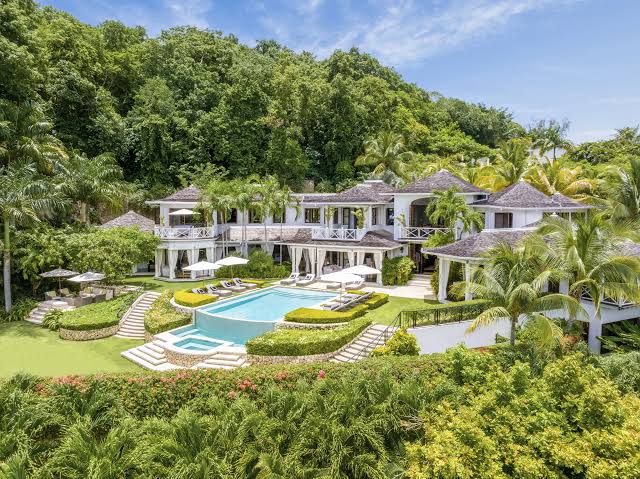
Modern island family travel emphasizes private space and home-like amenities. Contemporary luxury island resorts emphasize private residential villas featuring full kitchens, private plunge pools, and dedicated golf cart transportation, providing ultimate family autonomy.
Conceptual Frameworks and Mental Models
Navigating island resort selection demands analytical frameworks that account for spatial isolation, supply dynamics, and family mobility limits.
1. The Island Resort Evaluation Triad
This framework measures island properties across three operational pillars: Logistical Access, Residential Spatial Autonomy, and Amenity Self-Sufficiency.
-
Logistical Access: Reliability of water shuttles, private docks, and luggage transfer services.
-
Residential Spatial Autonomy: Standalone cottage layouts, full kitchen facilities, and private outdoor yards.
-
Amenity Self-Sufficiency: On-site medical clinics, diverse dining venues, and backup power utilities.
Framework Limit: Highly isolated island enclaves delivering high self-sufficiency carry premium room rates to cover heavy operational overhead.
2. The Isolation Friction Coefficient
This model evaluates whether the peaceful privacy gained by choosing an off-grid island offsets the added travel time required to reach the property.
Framework Limit: Travel friction limits drop sharply when traveling with young toddlers or seniors requiring frequent medical access.
3. The On-Island Mobility Ratio
This model measures how easily children and elderly relatives can explore island grounds independently using paved golf cart paths or walking trails.
Framework Limit: Car-free islands offer safety for free-roaming teenagers, but steep terrain can challenge relatives with reduced physical mobility.
Key Categories and Operational Variations
Island family resorts across American regions vary significantly in climate, architectural density, and transportation logistics.
1. Hawaiian Pacific Archipelagos
Located across Maui, Oahu, Kauai, and Hawaii Island, these tropical resorts offer incredible marine biodiversity, volcanic scenery, and cultural workshops.
Families enjoy world-class snorkeling, surf schools, and luau celebrations. Long flight times from mainland cities represent the primary travel constraint.
2. Northeast Atlantic Heritage Islands
Spanning Nantucket, Martha’s Vineyard, and Shelter Island, these New England destinations feature historic shingled architecture, calm bay beaches, and quaint harbor towns.
Guests explore island towns via bicycle paths and enjoy traditional lobster bakes. Short summer operating seasons drive high pricing during July and August.
3. Subtropical Florida Keys and Barrier Islands
Situated along coral keys and Gulf coast barrier islands, these properties offer calm, shallow waters, mangrove kayak trails, and shallow reef diving.
Resorts feature boat marinas, water sports, and dolphin research centers. Coral rock beaches often require water shoes for swimming entry.
4. Pacific Northwest Sound Islands
Located across the San Juan Islands and Puget Sound, these northwestern retreats emphasize whale watching, sea kayaking, and thick coastal forest trails.
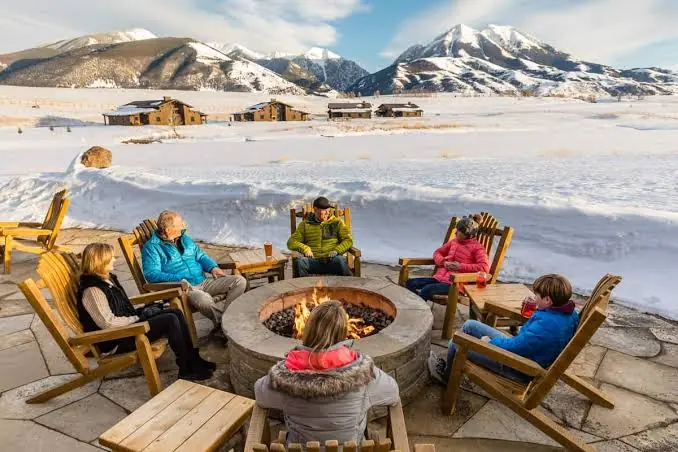
Families experience pristine marine ecology and campfire gatherings. Ocean temperatures remain too cold for swimming without thick neoprene wetsuits.
| Regional Island Category | Primary Travel Mode | Typical Summer Water Temp | Best Family Amenity | Main Operational Challenge |
| Hawaiian Archipelagos | Commercial Flight + Rental Car | 78°F – 82°F | Outrigger Canoe & Surf Schools | Long flight travel fatigue |
| Northeast Atlantic | Vehicle Ferry or Passenger Launch | 64°F – 70°F | Paved Town Bike Path Networks | High summer price compression |
| Florida Keys & Coral Keys | Direct Highway Bridge or Boat | 82°F – 88°F | Shallow Lagoon Water Sports | Limited sandy beach entry |
| Pacific Northwest Sound | Passenger Ferry or Floatplane | 52°F – 58°F | San Juan Orca Watching Tours | Cold water prevents swimming |
| Subtropical Gulf Islands | Causeway Bridge or Private Boat | 80°F – 86°F | Gentle Shallow Water Beaches | Late summer storm risks |
Strategic Regional Selection Logic
Selecting from top island family resorts in america requires matching island geography with specific family needs:
Detailed Real-World Scenarios
Evaluating actual travel scenarios highlights how island logistics, transportation choices, and villa choices impact family vacation experiences.
Scenario 1: Multi-Generational Summer Gathering on a New England Island
-
Context: A ten-person family including grandparents, adult siblings, and four kids plans a one-week July trip to Nantucket.
-
Constraints: Ferry vehicle spaces sell out months in advance; grandparents prefer quiet evenings near town.
-
Selected Strategy: Historic Island Village Residential Compound.
-
Decision Points: The family books a multi-bedroom shingled cottage within walking distance of Nantucket town six months in advance. They forego bringing cars, relying instead on bicycles and the island shuttle bus network.
-
Failure Modes: Delaying ferry vehicle reservations leaves the family stranded on the mainland without transportation.
-
Second-Order Effects: Biking everywhere eliminates town parking hassles, encouraging casual daily family strolls.
Scenario 2: Active Teenager Trip to a Hawaiian Island Resort
-
Context: Parents traveling with two active teenagers (ages 14 and 17) head to Maui for spring break.
-
Constraints: Teenagers disengage during quiet beach days; parents want on-site spa and golf amenities.
-
Selected Strategy: Integrated Hawaiian Coastal Resort with Ocean Academy.
-
Decision Points: The family chooses a large Maui coastal resort featuring a dedicated ocean sports center. Teenagers join morning outrigger canoe clubs and paddleboard clinics while parents utilize golf facilities, meeting for poolside dinners.
-
Failure Modes: Selecting a small, quiet boutique island hotel with no sports facilities leads to frustrated teenagers.
-
Second-Order Effects: Structured ocean sports build water confidence while giving parents independent relaxation time.
Scenario 3: Toddler Vacation on a Florida Gulf Barrier Island
-
Context: A family with a 2-year-old and a 5-year-old seeks a stress-free beach stay.
-
Constraints: Heavy ocean surf frightens young kids; long grocery runs create toddler meltdowns.
-
Selected Strategy: Causeway-Connected Gulf Barrier Island Resort with Kitchen Suite.
-
Decision Points: Parents pick a ground-floor beachfront suite on Sanibel Island featuring a full kitchen. Calm, shallow Gulf waters allow safe wading, while pre-arranged grocery delivery keeps the fridge stocked with snacks.
-
Failure Modes: Staying on a remote, ferry-only island makes emergency toddler supplies difficult to source quickly.
-
Second-Order Effects: Direct beach entry and kitchen snacking protect daily nap times, keeping evenings peaceful.
Planning, Cost, and Resource Dynamics
Budgeting for island resort stays requires factoring in indirect transport costs, ferry transfers, and premium island grocery pricing alongside base room rates.
Island Supply Chain Markups
Delivering food, fuel, and supplies across water channels increases resort operating costs. On-island restaurant dining, grocery items, and activity rentals carry price premiums ranging from 20 to 40 percent above mainland averages.
Inter-Island Transportation Fees
Reaching remote island resorts often requires specialized transit beyond standard flights. Vehicle ferries, passenger launches, and floatplanes add substantial per-person transit fees to overall trip budgets.
Seasonal Demand Spikes
Island resort pricing shifts dramatically based on weather windows. New England islands command peak rates during brief summer months, while tropical Pacific and Caribbean resorts peak during winter holiday periods.
| Island Resort Category | Nightly Villa Rate (Peak) | Inter-Island Transfer Fee | Average Daily Food Spend | Optimal Travel Window |
| Hawaiian Luxury Resort | $1,100 – $2,600 | $150 – $350 (Inter-island air) | $300 – $600 / day | Year-Round (May/Sept low) |
| Northeast Heritage Villa | $950 – $2,200 | $100 – $400 (Ferry fees) | $250 – $500 / day | June through September |
| Florida Keys Enclave | $550 – $1,300 | $0 – $120 (Causeway/Boat) | $180 – $350 / day | November through April |
| Pacific Northwest Lodge | $400 – $850 | $80 – $220 (Ferry/Floatplane) | $150 – $300 / day | May through September |
Tools, Strategies, and Support Systems
Planning a successful island vacation relies on ferry reservation trackers, marine weather apps, and pre-arrival concierge delivery coordination.
1. Marine Weather and Tide Tracking Applications
Checking daily tide charts, wind speeds, and wave swells helps families plan safe boat outings, snorkeling trips, and beach walks.
2. Ferry Reservation Systems
Monitoring ferry booking windows allows travelers to secure vehicle transfer spaces months ahead of popular summer travel dates.
3. Pre-Arrival Island Grocery Delivery Services
Arranging grocery delivery to your island villa before arrival ensures kitchens are stocked with breakfast items and snacks upon check-in.
Risk Landscape and Failure Modes
Island vacations involve unique environmental, operational, and medical risks that require thoughtful planning and preparation.
1. Weather-Induced Transit Delays
Dense coastal fog, high ocean swells, and tropical storms can halt ferry runs and flight operations without warning. Build buffer days into travel schedules when connecting to mainland flights home.
2. Medical Access Limitations
Small island destinations operate basic medical clinics rather than full-scale hospitals. Travelers with chronic medical conditions should pack extra medication supplies and confirm resort emergency evacuation protocols.
3. Supply Shortages
Remote island grocery stores can experience inventory delays when freight barges are delayed by weather. Stocking core dietary essentials upon arrival avoids unexpected shortages during your stay.
Governance, Maintenance, and Long-Term Adaptation
Evaluating your island choice ensures smarter planning for future multi-generational family vacations.
Post-Trip Island Evaluation Checklist
Review these key questions after returning from an island vacation:
-
Did inter-island ferry or flight transfers go smoothly without overwhelming children or elderly relatives?
-
Did the villa accommodation provide enough private space and quiet sleeping zones for everyone?
-
Were local ocean tide, wind, and water conditions suitable for your family’s swimming abilities?
-
Did on-island food choices and stocked groceries meet family dietary needs throughout the stay?
-
Did youth programs engage children meaningfully while providing parents dedicated downtime?
Measurement, Tracking, and Evaluation
Assessing vacation success requires tracking financial metrics alongside qualitative family relaxation outcomes.
Qualitative Metrics
-
Transfer Convenience: Minimal travel friction when navigating ferries, private launches, and airport connections.
-
Youth Program Value: Active child participation in marine ecology, surf instruction, and local cultural programs.
-
Overall Rest Quality: Peaceful sleeping environments maintained across all bedrooms throughout the trip.
Quantitative Metrics
-
Ancillary Spend Management: Keeping island utility charges, golf cart rentals, and resort fees within planned limits.
-
Dining Cost Control: Achieving target food savings through smart use of in-suite kitchens for breakfast and lunch.
-
Accommodation Efficiency: Optimizing per-bedroom costs by booking multi-room villas over individual hotel rooms.
Common Misconceptions and Oversimplifications
1. “Island Resorts Are Completely Isolated from the World”
Modern domestic island resorts feature high-speed internet, emergency medical clinics, and full air transportation connections, balancing island tranquility with modern safety networks.
2. “You Must Rent a Car on Every Island”
Many top island destinations, like Nantucket or golf-cart-friendly keys, encourage walking, biking, and electric cart transport, making rental cars unnecessary burdens.
3. “Island Water Is Always Warm and Safe”
Ocean temperatures and current strengths vary widely by region. Pacific Northwest and New England waters stay cool year-round, requiring wetsuits or protected bay swimming for young kids.
Ethical, Practical, and Contextual Considerations
Choosing eco-conscious island resorts helps protect delicate shoreline environments and fragile marine ecosystems. Leading properties invest in solar microgrids, desalination plants, coral restoration projects, and local farm sourcing.
Supporting responsible island resorts helps preserve fragile habitats, protects nesting sea turtles, and strengthens local island communities for future generations to enjoy.
Strategic Conclusion
Finding top island family resorts in america requires evaluating regional ocean conditions, transportation logistics, and villa accommodations. Understanding how island infrastructure supports family routines allows travelers to select properties that combine peaceful privacy with modern comfort.
Matching island geography to your family’s age dynamics, managing transportation logistics early, and stocking villa kitchens transforms island vacations into rewarding multi-generational retreats.