Top Coastal Family Resorts in America: Analytical Booking Guide
Selecting an ideal oceanfront destination requires analyzing complex operational trade-offs, spatial layouts, and regional environmental patterns. Family travel logistics change significantly when multi-generational groups move through coastal properties. Resort options range from sprawling master-planned developments along the Atlantic seaboard to secluded enclaves situated along rugged Pacific bluffs. Evaluating these destinations demands looking beyond promotional photography to inspect physical infrastructure, beach accessibility, and youth programming depth.
Coastal geography dictates daily activity rhythms, water safety parameters, and regional climate volatility. Gulf Coast properties offer warm, shallow waters suitable for toddlers, yet face seasonal tropical weather interruptions. Pacific Northwest coastal enclaves present breathtaking marine topography, but water temperatures remain too low for unassisted swimming. Atlantic barrier islands provide expansive sandy stretches, though ocean currents demand continuous lifeguard oversight and structured supervision.
Hospitality infrastructure reflects these underlying geographic constraints. True family resorts design physical spaces around distinct age cohorts, balancing vibrant youth hubs with serene adult relaxation zones. Evaluating destination properties requires scrutinizing room configurations, residential villa options, and kitchen facilities. When accommodation structures support family routines naturally, vacation friction decreases while overall travel quality improves substantially.
Top Coastal Family Resorts in America
Defining top coastal family resorts in america involves evaluating physical site design, service reliability, and multi-generational flexibility. The hospitality industry often labels standard oceanfront hotels as family resorts simply because they feature swimming pools or ocean views. Premium family resorts operate under holistic service models engineered to support diverse age demographics concurrently.
Understanding what elevates a property requires inspecting physical micro-zoning. Superior properties separate active splash pads and water slides from quiet lounge areas. This spatial separation allows teenagers to socialize dynamically while toddlers take afternoon naps in nearby oceanfront suites without noise disruption.
Geographic Water Characteristics
Coastal waters vary dramatically by region across the United States coastline. Atlantic barrier island beaches feature wide tidal flats suitable for beach games, whereas Pacific cliffs offer dramatic scenery alongside cooler water temperatures that require wetsuits.
Accommodation Flexibility
High-performing coastal resorts prioritize multi-room residential suites, connected villas, and full kitchen facilities. These spatial layouts accommodate multi-generational family structures, offering shared living rooms alongside private retreat spaces.
Programmatic Youth Integration
Leading properties replace basic babysitting services with educational marine science programs, surf academies, and regional nature workshops. Youth activities engage children meaningfully while parents utilize spa or golf facilities.
Deep Contextual Background
The evolution of coastal hospitality reflects broader demographic and architectural shifts over the past century. Early American beach destinations emerged around railway terminus points during the late nineteenth century. Historic grand hotels focused primarily on restorative sea air and formal dining halls, catering to adult leisure rather than child-centric recreation.
The Post-War Automobile Expansion
Car ownership expansion during the mid-twentieth century transformed coastal travel patterns. Family vacations shifted from formal railway hotels toward beach motels situated along coastal highways. Swimming pools became central design features, providing safe, controlled aquatic environments alongside open ocean beaches.
Master-Planned Resort Enclaves
During the late 1970s, developers introduced master-planned resort communities across South Carolina, Florida, and Hawaii. These integrated developments combined championship golf courses, tennis complexes, residential villas, and environmental conservation zones, establishing modern luxury resort standards.
The Contemporary Multi-Generational Shift
Modern family travel demands highly adaptable accommodation structures. Growing preferences for multi-generational trips drive demand for standalone coastal homes, multi-bedroom condominiums, and high-end residential suites offering full resort privileges.
Conceptual Frameworks and Mental Models
Evaluating coastal properties requires structured mental models to balance geographical realities, family dynamics, and financial commitments.
1. The Coastal Resort Triad Framework
This framework assesses properties across three core dimensions: Beach Hydrodynamics, Accommodation Suite Spatiality, and Programmatic Youth Enrichment Depth.
-
Beach Hydrodynamics: Ocean safety, water clarity, gentle slope gradients, and certified lifeguard presence.
-
Accommodation Suite Spatiality: Dedicated bedrooms, full kitchens, acoustic insulation, and multi-bathroom floor plans.
-
Programmatic Youth Enrichment Depth: Age-stratified activities, professional staffing ratios, and local environmental education.
Framework Limit: Properties excelling across all three dimensions command premium night rates during peak holiday windows.
2. The Transit-to-Relaxation Friction Ratio
This analytical model measures total travel time and transfer logistics against the total length of stay.
Framework Limit: Travel friction tolerance drops significantly when navigating airports with young toddlers or mobility-impaired grandparents.
3. The On-Site Autonomy Model
This framework evaluates how safely older children and teenagers can navigate resort grounds independently without constant adult transportation assistance.
Framework Limit: Gated, pedestrian-only resort footprints offer high autonomy, whereas sprawling highway-adjacent properties require continuous adult escorting.
Key Categories and Operational Variations
Coastal family destinations across the United States fall into distinct geographical and architectural categories, each offering unique trade-offs.
1. Southeast Atlantic Barrier Island Resorts
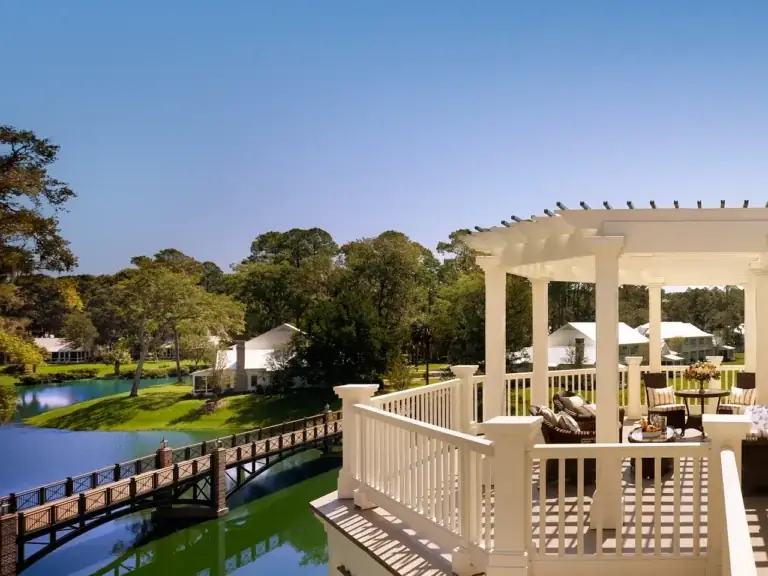
Spanning Hilton Head, Kiawah Island, and Amelia Island, these properties feature expansive maritime forests, wide beaches, and shallow ocean drop-offs.
Families enjoy extensive bike path networks, championship golf facilities, and rich nature programming. Summer heat and high humidity represent primary seasonal constraints.
2. Pacific Southwest Oceanfront Estates
Situated along Southern California bluffs, properties in San Diego, Dana Point, and Laguna Beach offer consistently pleasant weather year-round.
These resorts excel in surf instruction, coastal cliff hiking, and outdoor dining. Cooler water temperatures often require wearing neoprene wetsuits for extended ocean swimming.
3. Gulf Coast Barrier Island Enclaves
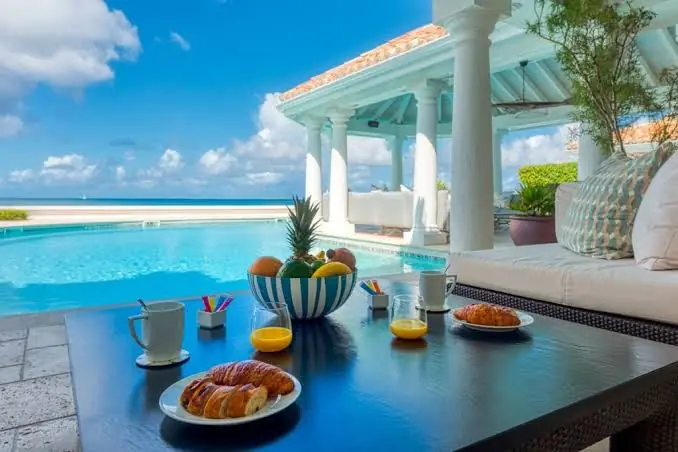
Located along Florida’s Emerald Coast and barrier islands, Gulf resorts offer warm, clear water and soft white sand beaches.
Shallow water conditions create ideal environments for young children. Tropical weather patterns and seasonal algae blooms require monitoring during late summer months.
4. Hawaiian Island Coastal Compounds
Spanning Maui, Kauai, Hawaii Island, and Oahu, these tropical resorts showcase exceptional marine biodiversity and volcanic landscapes.
Guests access world-class snorkeling, cultural workshops, and expansive pool complexes. Extended travel times and high dining costs represent main considerations.
5. Pacific Northwest Coastal Lodges
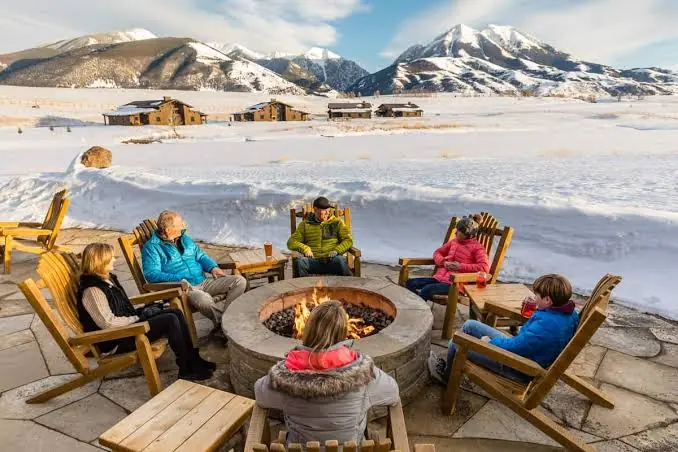
Situated along the Oregon and Washington coasts, these rustic retreats emphasize rugged scenery, beach bonfires, and storm watching.
Properties offer dramatic coastal views and forest trails. Ocean swimming remains limited due to cold water currents and strong surf conditions.
| Regional Resort Category | Typical Water Temp Range | Primary Family Advantage | Main Operational Trade-off | Ideal Target Cohort |
| Southeast Atlantic | 75°F – 84°F (Summer) | Bikeable, wide sandy beaches | High summer heat & humidity | All Age Groups |
| Pacific Southwest | 60°F – 68°F (Year-Round) | Perfect weather, surf culture | Cold ocean, bluff stairs | Pre-teens & Teens |
| Gulf Coast Ocean | 78°F – 88°F (Summer) | Calmest, shallowest waters | Tropical storm vulnerabilities | Toddlers & Young Kids |
| Hawaiian Islands | 76°F – 82°F (Year-Round) | Marine life, tropical climate | Long flight transit times | Multi-Generational |
| Pacific Northwest | 50°F – 58°F (Year-Round) | Nature focus, dramatic views | Unsafe for swimming | School-Age & Adults |
Strategic Regional Selection Logic
Selecting from top coastal family resorts in america requires matching destination geography with family age dynamics:
Detailed Real-World Scenarios
Analyzing real-world travel scenarios demonstrates how spatial planning, regional climate, and resort infrastructure impact multi-generational vacations.
Scenario 1: Multi-Generational Trip to a Southeast Barrier Island
-
Context: Grandparents, two adult children, and four grandchildren (ages 3 to 14) plan a seven-day summer gathering.
-
Constraints: Grandparents need flat walking paths; toddlers require calm water; teenagers want independent mobility.
-
Selected Strategy: Master-Planned Barrier Island Villa Sourcing.
-
Decision Points: The family books a multi-bedroom oceanfront villa within a bike-friendly resort enclave. Grandparents utilize electric golf carts, teenagers explore paved bike paths independently, and toddlers play along flat, wide beaches during low tide.
-
Failure Modes: Booking isolated hotel rooms in a high-rise tower leads to fragmented family time and crowded elevator waits.
-
Second-Order Effects: Accessible bike paths reduce driving needs, fostering an easygoing, multi-generational daily rhythm.
Scenario 2: Active Teenager Trip to Southern California Coast
-
Context: Parents traveling with two adolescents (ages 13 and 16) seek an active coastal vacation.
-
Constraints: Teenagers disengage during sedentary beach stays; parents desire high-end wellness facilities.
-
Selected Strategy: Pacific Bluff Resort with Surf Academy.
-
Decision Points: The family chooses a coastal bluff resort featuring direct beach access via a funicular or private stairs. Teenagers join morning surf clinics while parents utilize the spa, reconnecting for oceanfront lunches.
-
Failure Modes: Choosing a secluded beach resort lacking structured active sports leads to bored teenagers.
-
Second-Order Effects: Professional surf instruction builds teenage athletic confidence while giving parents dedicated relaxation time.
Scenario 3: Toddler-Focused Stay on Florida’s Gulf Coast
-
Context: A young family with a 2-year-old and a 4-year-old plans their first beach vacation.
-
Constraints: High ocean waves trigger fear in young children; nap schedules require quick room access.
-
Selected Strategy: Low-Rise Gulf Coast Enclave with zero-depth entry pools.
-
Decision Points: Parents select a ground-floor oceanfront suite steps from a zero-depth pool and gentle Gulf waters. Quick beach-to-room access accommodates afternoon nap routines without fuss.
-
Failure Modes: Staying at a bluff-side property with steep staircases creates exhaustion when carrying beach gear and toddlers.
-
Second-Order Effects: Stress-free room transitions protect toddler nap schedules, keeping evening family dinners pleasant.
Planning, Cost, and Resource Dynamics
Budgeting for coastal family trips requires evaluating direct night rates alongside hidden ancillary fees, resort charges, and dining expenses.
Mandatory Resort Fees and Parking
Coastal properties often add mandatory daily resort fees covering Wi-Fi, fitness center access, and non-motorized water sports. Valet parking charges at oceanfront properties add $35 to $75 per night to base rates.
On-Site Dining vs. In-Suite Kitchens
Oceanfront resort restaurants carry premium prices. Booking suites featuring full kitchens allows families to prepare breakfast and lunch in-room, saving substantial funds for special dinner outings.
Seasonality Pricing Multipliers
Nightly rates fluctuate dramatically based on seasonal demand. Peak summer weeks along Atlantic beaches and winter holiday windows in Hawaii command rates two to three times higher than shoulder season periods.
| Coastal Resort Tier | Nightly Suite Rate (Peak) | Mandatory Daily Fees | Average Daily Family Food Spend | Recommended Stay Duration |
| Luxury Oceanfront Enclave | $1,200 – $2,800 | $60 – $120 / night | $350 – $700 / day | 5 – 7 Days |
| Premium Master-Planned Villa | $650 – $1,400 | $40 – $75 / night | $200 – $400 (Kitchen Use) | 7 Days (Saturday Swap) |
| Upper-Midscale Beach Resort | $350 – $750 | $25 – $45 / night | $180 – $320 / day | 4 – 5 Days |
| Regional Coastal Lodge | $280 – $550 | $0 – $30 / night | $140 – $260 / day | 3 – 4 Days |
Tools, Strategies, and Support Systems
Executing a seamless coastal trip requires utilizing digital planning tools, tide monitoring apps, and pre-arrival concierge coordination.
1. Ocean Tide and Water Safety Applications
Monitoring daily tide shifts helps families plan beach walks, tidepooling excursions, and safe swimming windows around low and high tides.
2. Pre-Arrival Grocery Delivery Coordination
Ordering groceries delivered directly to your resort villa upon check-in stocks kitchens with snacks, beverages, and breakfast essentials instantly.
3. Direct Beach Equipment Delivery Services
Third-party coastal rental companies deliver strollers, beach wagons, umbrellas, and surfboards straight to resort bell desks at daily rates below hotel desk fees.
Risk Landscape and Failure Modes
Oceanfront family vacations face environmental, logistical, and operational risks that require proactive contingency management.
1. Severe Weather Disruptions
Atlantic and Gulf coast destinations face seasonal hurricane threats from August through October. Securing comprehensive travel insurance with flexible weather cancellation clauses protects trip investments.
2. Ocean Current Hazards
Strong rip currents occur along open ocean beaches across the Atlantic and Pacific coasts. Families must prioritize swimming in designated areas monitored by certified station lifeguards.
3. Pool Chair Saturation
Sprawling resorts often face pool chair shortages during peak mid-morning hours. Selecting properties offering reserved lounger systems or private cabana rentals eliminates daily chair stress.
Governance, Maintenance, and Long-Term Adaptation
Evaluating resort selection decisions ensures ongoing improvements for future family travel planning.
Post-Trip Family Evaluation Checklist
Use this evaluation audit after returning from a coastal resort stay:
-
Did the accommodation layout afford adequate privacy and quiet sleeping spaces?
-
Was direct beach access easy to navigate while carrying towels, gear, and toys?
-
Did ocean tide and wave conditions match the swimming abilities of younger family members?
-
Were on-site dining choices varied enough to support diverse dietary preferences without fatigue?
-
Did youth activity programs engage children effectively, allowing parents true downtime?
Measurement, Tracking, and Evaluation
Assessing vacation success involves tracking financial value metrics alongside qualitative family relaxation outcomes.
Qualitative Metrics
-
Transition Efficiency: Seamless mobility between residential suites, pool decks, and ocean beaches without logistical delays.
-
Child Program Engagement: High enthusiasm for organized resort activities, marine nature walks, and surf instruction.
-
Rest Quality: Peaceful sleeping environments maintained across bedrooms throughout the stay.
Quantitative Metrics
-
Ancillary Fee Management: Keeping extra resort charges, valet costs, and equipment fees within planned caps.
-
Dining Budget Control: Achieving target savings by balancing in-suite meals with resort dining experiences.
-
Cost-Per-Bedroom Value: Maximizing bedroom space per dollar spent through smart multi-room suite booking.
Common Misconceptions and Oversimplifications
1. “Oceanfront Means Direct Beach Access”
Properties labeled as oceanfront may sit atop sheer coastal cliffs or behind protected wetland zones that require lengthy detours or shuttle buses to reach sandy shores.
2. “All Coastal Water Is Safe for Swimming”
Pacific coast ocean temperatures remain chilly year-round, while strong surf and undertows make unassisted swimming unsafe compared to protected Atlantic or Gulf bays.
3. “Full-Service Resorts Always Offer Kids’ Clubs”
Many luxury properties restrict youth programming to peak summer months or major holiday weekends. Always confirm operational schedules before booking off-peak stays.
Ethical, Practical, and Contextual Considerations
Choosing sustainable coastal resorts helps protect delicate shoreline ecosystems and marine habitats. Top-tier properties implement dune restoration projects, eliminate single-use plastics, and use reef-safe sunscreen defaults.
Supporting eco-conscious resorts helps preserve coastal landscapes, protect nesting sea turtle habitats, and maintain pristine beaches for future generations.
Strategic Conclusion
Identifying top coastal family resorts in america requires evaluating regional ocean conditions, accommodation layouts, and programmatic youth depth. Analyzing how physical property design supports family routines helps travelers select properties that balance active recreation with genuine relaxation.
Matching coastal geography to family age demographics, managing ancillary resort costs, and utilizing direct equipment sourcing transforms beach trips into seamless, multi-generational vacation experiences.