Best Lake Family Resorts in the US: A Strategic Planning Guide
Evaluating American lakefront hospitality properties requires systematic analysis of water access, seasonal climate shifts, and property infrastructure. Vacation planners often encounter promotional photography that obscures operational realities such as crowded docks, poor lake water quality, and deferred facility maintenance. Real resort value depends on functional aquatic equipment, varied youth programs, and well-managed common spaces.
Managing family travel across multiple age groups presents distinct logistical demands. Toddlers require shallow entry beaches, safe splash pads, and quiet cabin quarters for afternoon routines. Older children demand high-energy water sports, modern game rooms, and supervised outdoor exploration. Adults and seniors seek quiet shoreline seating, accessible boat slips, wellness centers, and farm-to-table dining.
The commercial hospitality sector utilizes tiered pricing models and seasonal packages that can mask significant hidden surcharges. Property operators frequently highlight flagship natural settings while restricting daily marina operating hours, reducing waterfront safety personnel, and charging steep rental fees for basic recreational gear. Guests who evaluate operational states through rigorous audits avoid overcrowded docks, unstaffed waterfronts, and unexpected daily add-ons.
This analytical review examines lakefront resort selection, facility safety verification, and booking strategy formulation. By reviewing property categories, operational metrics, cost structures, and failure risks, vacation planners can secure safe, high-value destinations for any family stay.
Best lake family resorts in the us
Evaluating Waterfront Quality and Operational Realities
Identifying the best lake family resorts in the us requires moving past staged marketing collateral to examine physical facility condition and environmental health. Real operational value depends on clear water conditions, maintained marina hardware, and certified waterfront safety personnel.
Operational Viewpoints and Structural Nuances
Analyzing lakefront resort quality involves evaluating three core operational perspectives:
-
The Environmental Hydrology Perspective: Assessing water temperature cycles, shoreline depth gradients, weed growth management, and seasonal algae blooms.
-
The Marina and Hardware Perspective: Inspecting dock structural stability, boat fleet age, motorized watercraft safety protocols, and kayak launch design.
-
The Multi-Generational Spatial Perspective: Measuring cabin proximity to shoreline hubs, acoustic buffer zones between entertainment venues, and walking paths for senior travelers.
Misunderstandings and Oversimplification Risks
Assuming Natural Lake Setting Guarantees High Water Quality
A primary error involves assuming natural freshwater environments remain pristine throughout summer operating seasons. Agricultural runoff, high motorboat density, and warm seasonal water temperatures often trigger blue-green algae blooms that force temporary beach closures.
Conflating Resort Acreage with Accessible Shoreline
Another common oversight assumes large property acreage provides abundant swimming access. Heavy timberlands, steep cliff topographies, and private marina leases frequently restrict actual swimming areas to small, overcrowded sandy strips.
Historical Context and Industry Evolution
The Evolution of American Lake Destinations
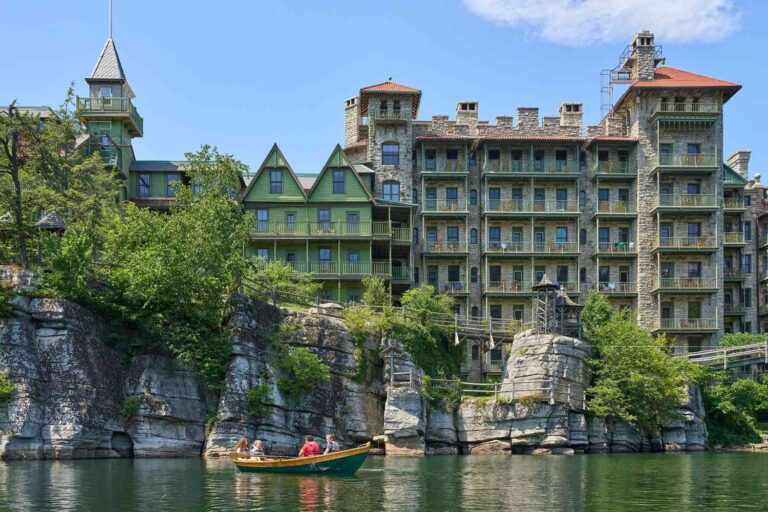
American lakefront hospitality originated in the late nineteenth century as urban families sought cool summer escapes in mountain regions. Historic estates in the Adirondacks, the Pocono Mountains, and the Upper Midwest provided rustic lodging, communal dining halls, and simple wooden rowing craft.
Transition to Specialized Hospitality Assets
During the mid-twentieth century, expanded highway networks made regional lakes accessible to broad middle-class family markets. Simple family-owned cabin courts flourished, featuring basic boat docks, picnic grounds, and communal fire pits.
Recent decades have driven consolidation toward master-planned resort complexes featuring private marinas, indoor waterparks, and golf courses. Modern operations balance historic cabin charm with modern expectations for digital infrastructure, gourmet culinary options, and certified youth supervision.
Conceptual Frameworks and Mental Models
The Shoreline Spatial Density Index
This model evaluates guest comfort by calculating accessible shoreline linear feet relative to total property occupancy capacity. Low ratios indicate severe beach crowding, long marina wait times, and degraded guest privacy during peak summer periods.
The Seasonal Hydrological Viability Curve
This framework tracks water usability across changing summer temperatures, water level drops, and biological growth cycles.
The Waterfront Operational Triad
This framework evaluates facility readiness across three core service pillars:
Physical Hardware Safety
Dock structural integrity, functioning bilge pumps, certified life jacket inventory, and clear swim zone perimeter markers.
Supervisory Personnel Density
Certified lifeguards stationed at swim beaches, attentive marina attendants, and active youth camp counselors.
Equipment Access Freedom
Unrestricted access to non-motorized craft like paddleboards, kayaks, and canoes without restrictive hourly fees or reservation caps.
Primary Categories and Operational Variations

Lake Resort Model Comparison
Different property categories manage land usage, marina assets, and guest amenities using distinct business structures.
Historic Great Camps and Lodges
Properties situated in mountain regions offering restored timber cabins, communal stone fireplaces, and traditional lakefront leisure.
-
Key Advantages: High historical charm, secluded natural settings, and low ambient noise levels.
-
Operational Trade-offs: Older plumbing infrastructure, limited air conditioning, and variable Wi-Fi performance.
Commercial Marina Mega-Resorts
Expansive developments featuring multi-story guest rooms, integrated boat slips, rental fleets, and indoor waterparks.
-
Key Advantages: High recreational variety, professional youth programming, and extensive culinary choices.
-
Operational Trade-offs: Heavy crowd density, motorized watercraft noise, and high secondary activity fees.
Alpine Lake Cabin Complexes
Mountain properties offering individual timber cabins set along deep, glacier-fed lakes.
-
Key Advantages: Exceptional water clarity, dramatic mountain scenery, and direct hiking trail access.
-
Operational Trade-offs: Colder water swimming temperatures, steep terrain navigation, and brief summer seasons.
Dedicated Inclusive Family Camps
Properties focusing on structured multi-generational outdoor recreation, full-board dining, and organized water sports.
-
Key Advantages: High staff-to-guest ratios, predictable vacation billing, and structured child activities.
-
Operational Trade-offs: Fixed weekly arrival schedules, modest room luxury, and communal meal times.
Decision Architecture for Lake Selection
Utilize this structured process when evaluating potential lake resort stays:
Assess Water Temperature Tolerances
Determine whether young children require warm shallow bays or can manage colder alpine lake waters.
Verify Motorized Boating Rules
Confirm whether the lake permits personal watercraft, speed limits, and quiet hours for non-motorized sports.
Audit Shoreline Footpaths
Verify whether walking routes between accommodations and docks involve steep stairways or level paved paths.
Detailed Real-World Vacation Scenarios
Scenario 1: Low Water Levels at a Reservoir-Based Resort
Context
A family of six books a multi-bedroom villa at a southwestern lake resort known for boating and water-skiing.
Operational Constraints
Regional drought conditions reduce lake water levels by twenty feet prior to the mid-summer peak season.
Decision Strategy
The family arrives without checking local reservoir capacity updates or marina operational notices.
Failure Mode Encountered
The resort boat ramp remains closed due to low water, forcing marina staff to relocate rental craft to a off-site facility three miles away.
Second-Order Effects
The family wastes two hours daily commuting to off-site docks, incurring unexpected parking and shuttle fees.
Scenario 2: Late-Summer Algae Blooms at a Shallow Lake Destination
Context
Parents reserve a lakeside cabin at a midwestern resort featuring a sandy swimming bay for young children.
Operational Constraints
High August temperatures and agricultural runoff cause a sudden cyanobacteria algae bloom across shallow bays.
Decision Strategy
The family relies on spring marketing brochures that highlight pristine beach conditions.
Failure Mode Encountered
Local health authorities issue a strict no-swim advisory for the resort bay during their entire five-day stay.
Second-Order Effects
Children cannot play in the lake, forcing parents to drive to indoor public pools and commercial waterparks daily.
Scenario 3: Equipment Shortages at a High-Density Resort
Context
A multi-generational family stays at a 400-room lakefront property offering “complimentary non-motorized watercraft.”
Operational Constraints
The resort maintains only twelve kayaks and six paddleboards for its entire guest registration base.
Decision Strategy
The family arrives at the beach dock at 10:30 AM expecting open watercraft availability.
Failure Mode Encountered
All paddleboards and kayaks are checked out, with waiting lists extending past three hours.
Second-Order Effects
Family members spend hours waiting near the dock area, resulting in frustration and ruined daily schedules.
Scenario 4: Noise Friction Between Motorized and Non-Motorized Zones
Context
A family with toddlers rents a waterfront cabin expecting peaceful mornings and gentle shoreline wading.
Operational Constraints
The property permits jet skis and wakeboarding boats to launch directly adjacent to cabin swimming zones.
Decision Strategy
The parents fail to review lake motorized speed regulations or dock zoning maps prior to booking.
Failure Mode Encountered
Engine noise and large boat wakes disrupt nap schedules and make shallow water swimming unsafe for toddlers.
Second-Order Effects
The family requests a mid-stay room transfer to an inland cabin, losing their desired lakefront views.
Planning, Cost, and Resource Dynamics
Direct and Indirect Expense Structures
Selecting lakefront properties requires analyzing total vacation budgets against advertised baseline room tariffs.
Identifying Unadvertised Waterfront Charges
Mandatory Slip Charges
Properties charging daily fees to tie up personal or rented watercraft at resort docks.
Marine Fuel Markups
On-site resort fuel docks frequently charge 30% to 50% above standard automotive gas prices.
Watercraft Security Deposits
Significant credit card holds required before taking rental pontoon boats or speedboats onto the lake.
Non-Motorized Time Limits
Strict two-hour caps on kayak usage, followed by steep hourly fees for late returns.
Opportunity Cost Balance
Selecting a resort with a private marina saves valuable travel time compared to renting boats from public off-site facilities. Vacation planners should weigh higher room tariffs against the convenience of walking directly from cabins to docks.
Tools, Strategies, and Support Systems
Essential Verification Systems
Utilizing dedicated verification tools enables planners to audit property infrastructure before placing non-refundable deposits:
Satellite Waterline Inspection
Review recent satellite imagery to verify actual beach dimensions, dock arrangements, and shoreline conditions.
State Lake Health Databases
Check state environmental department websites for historical algae advisories and water clarity test reports.
Local Marina Direct Calls
Contact resort dockmasters directly 72 hours prior to arrival to confirm current boat fleet availability and fuel prices.
Wind and Wave Forecast Applications
Utilize marine forecasting apps to evaluate wind patterns that create rough water on specific lake shores.
Strategic Booking Methods
Reserving lakefront stays nine to twelve months ahead secures prime cabin locations near quiet water bays. Communicating mobility requirements early allows resort staff to assign rooms on level footpaths near dining and marina hubs.
Performing an immediate inspection of rental boats and life jackets upon arrival ensures safety gear fits children properly.
Risk Landscape and Failure Modes
Taxonomy of Lake Resort Risks
Identifying environmental and operational failure points protects families from compromised vacation safety.
Environmental Hazards
Cyanobacteria algae blooms, submerged tree stumps in low water, and sudden alpine thunderstorm shifts.
Hardware Failures
Compromised dock cleats, unmaintained motorboat engines, and worn life jacket straps.
Operational Shortfalls
Unstaffed swim beaches, overbooked watercraft rentals, and inadequate shoreline lighting for evening walks.
Risk Mitigation Strategies
Deploy targeted safeguards to handle unexpected operational disruptions effectively:
Pre-Reserve Marine Fleet Craft
Secure boat rentals during reservation booking rather than waiting until check-in.
Verify Life Jacket Standards
Carry US Coast Guard-approved personal life jackets for young children to guarantee proper fit and flotation safety.
Secure Written Damage Waivers
Inspect rental boats thoroughly with marina staff, documenting pre-existing scratches to avoid false damage fees.
Governance, Maintenance, and Long-Term Adaptation
Family Decision Architecture
Managing vacation planning benefits from assigning specific responsibilities among adult family members.
Adaptations for Itinerary Management
Adjust daily family schedules based on real-time weather conditions and lake activity shifts:
-
Early Morning Boating Sessions: Reserve powerboats for early morning hours when water surfaces remain calm for skiing.
-
Mid-Day Inland Transitions: Shift family activities to shady timberland trails or indoor centers during hot afternoon hours.
-
Evening Shoreline Inspections: Check dock safety lighting and secure watercraft ties before nighttime lake breezes rise.
Systemic Maintenance Checklists
Maintain control over vacation quality using these practical verification checklists:
Pre-Booking Research Phase
-
Examine satellite maps to confirm beach width and dock infrastructure scale.
-
Search regional environmental databases for recent lake water quality advisories.
-
Review lake motorboat horsepower rules, speed limits, and quiet hour enforcement.
-
Confirm boat slip availability and daily dockage fees for personal watercraft.
Pre-Departure Phase
-
Confirm boat rental reservations, pickup times, and security deposit terms.
-
Check marine weather forecasts for wind conditions and afternoon storm risks.
-
Pack certified life vests for toddlers and non-swimming children.
-
Request written confirmation of cabin distance from waterfront hubs.
On-Site Inspection Phase
-
Inspect dock structures, swim ladders, and perimeter buoy lines for safety.
-
Examine rental boat hull condition, propeller state, and safety gear inventory.
-
Confirm lifeguard hours and emergency flotation equipment placement at beaches.
-
Review room folios mid-stay to verify accuracy of resort and marina charges.
Measurement, Tracking, and Evaluation
Quantitative vs. Qualitative Tracking Metrics
Track property quality using concrete operational measures alongside personal satisfaction ratings.
Quantitative Metrics
-
Fleet Availability Percentage: Measuring the ratio of operational rental craft against advertised fleet sizes.
-
Shoreline Linear Density: Calculating accessible beach feet relative to total registered resort occupancy.
Qualitative Signals
-
Water Quality Satisfaction: Assessing family comfort with lake water clarity, bottom texture, and temperature.
-
Marina Safety Rating: Evaluating staff attentiveness during boat launches, docking maneuvers, and fuel handling.
Destination Quality Logs
Keeping destination records helps families refine future vacation choices and property selections.
Common Misconceptions and Oversimplifications
Myth 1: “All Lake Resorts Feature Sandy Swimming Beaches”
-
Correction: Many premier lakefront properties feature rocky shorelines, steep timber drop-offs, or seawalls requiring dock ladders for lake entry.
Myth 2: “Renting a Cabin Automatically Guarantees a Free Boat Slip”
-
Correction: Most commercial lake resorts charge separate daily fees for dock slips, requiring advance reservations during peak season.
Myth 3: “Motorized Boating Is Permitted on All American Lakes”
-
Correction: Numerous mountain and park lakes enforce strict non-motorized rules, electric-only trolling laws, or rigid horsepower limits.
Myth 4: “Lake Water Is Always Safe for Swimming Throughout the Summer”
-
Correction: Warm summer temperatures and agricultural runoff can cause harmful algae blooms that make swimming unsafe in late July and August.
Myth 5: “Lakeside Resort Pools Are Redundant and Unnecessary”
-
Correction: On-site heated pools provide essential alternative swimming when lake waters are too cold, rough, or impacted by weather.
Myth 6: “Non-Motorized Watercraft Are Always Available on Demand”
-
Correction: Popular resorts frequently experience high demand for kayaks and paddleboards, resulting in long dock wait times without pre-booking.
Practical and Ethical Considerations
Supporting Lake Ecosystem Health
Lakeside resorts operate within delicate freshwater ecosystems vulnerable to pollution and invasive species. Guest families should clean aquatic gear before changing lakes to prevent transferring invasive quagga mussels or hydrilla weeds. Observing slow-no-wake zones near shorelines prevents bank erosion and protects nesting waterfowl.
Respecting Regional Waterway Communities
Lake environments often host a blend of commercial resorts, private homeowners, and public parklands. Navigating watercraft responsibly, keeping sound systems low during early morning hours, and respecting private dock perimeters fosters positive relationships with regional lake communities.
Final Analytical Summary
Selecting the best lake family resorts in the us requires thorough evaluation of environmental health, marina maintenance, and spatial property limits. By examining physical shoreline density, water clarity trends, and marine fleet safety, planners can identify destinations that offer real value.
Careful advance planning, early boat reservations, and rigorous safety checks ensure a seamless, multi-generational lake vacation that creates lasting memories.