Family Mountain Resort Destinations USA: Definitive Travel Guide
Evaluating high-altitude destinations requires a distinct analytical approach compared to standard coastal or suburban hospitality settings. Topography, elevation changes, seasonal weather shifts, and localized transit systems directly dictate the operational success of a trip. Mountain environments present unique physical and logistical demands that test the limits of family coordination.
When multi-generational groups travel to high-altitude regions, minor friction points multiply quickly. A poorly planned walk across a sprawling alpine village in sub-zero temperatures can exhaust small children before they reach a ski school. Inadequate altitude acclimatization plans frequently disrupt sleep and reduce physical stamina across all age groups.
Modern resort operators must design infrastructure that balances these environmental demands. Leading destinations integrate ski-in/ski-out access, multi-bedroom residential layouts, dedicated youth academies, and robust transit links. This comprehensive guide outlines the structural, operational, and financial frameworks necessary to select and execute trips to alpine destinations.
Understanding “Family Mountain Resort Destinations USA”
Analyzing family mountain resort destinations usa demands an evaluation of operational design, spatial layout, and multi-generational service workflows. Many travelers assume that any mountain resort with a ski hill or hiking trails qualifies as a top-tier family destination. However, true institutional quality depends on how well a property handles complex logistics across different age groups.
A destination may offer world-class ski terrain, yet lack the infrastructure needed to keep non-skiing grandparents comfortable or toddlers safe. Conversely, properties that focus heavily on basic youth entertainment often lack high-end dining options and tranquil spaces for adults. Successful alpine travel requires physical layouts and service schedules that allow different generations to explore independently without logistical bottlenecks.
Spatial and Transit Layouts
Top-tier destinations minimize physical travel friction between lodging, activity hubs, and dining centers. Pedestrian-only alpine villages eliminate automobile traffic, lowering safety concerns for parents with small children. Integrated gondola networks provide effortless transit across varying elevations without forcing families to load equipment onto crowded buses.
Adaptive Seasonal Operations
High-performing resorts operate four-season business models rather than relying entirely on winter sports revenue. During summer and autumn, operators transform ski lift networks into mountain bike access routes, scenic sightseeing corridors, and canopy tour hubs. This adaptability ensures consistent operational quality, stable staffing levels, and deep programming regardless of snow conditions.
Multi-Bedroom Residential Infrastructure
Standard hotel rooms with two queen beds rarely accommodate families comfortably for an extended mountain stay. Alpine gear, winter clothing, and sports equipment require dedicated storage space, mudrooms, and laundry facilities. Premier destinations emphasize residential suites, townhomes, and private chalets that provide communal living areas alongside private retreat zones.
Deep Contextual Background
The evolution of alpine hospitality in the United States reflects broader shifts in post-war leisure, land management, and real estate development. Early American mountain resorts operated primarily as summer health retreats in the Northeast and Mid-Atlantic. Historic properties relied on cool mountain air, mineral springs, and grand wooden lodges to attract city residents during hot summer months.
The post-World War II period saw the rapid expansion of winter sports destinations, heavily influenced by European ski culture. Developers constructed dedicated alpine villages in the Colorado Rockies, the Wasatch Range of Utah, and California’s Sierra Nevada. Early ski areas prioritized lift technology and slope design over comprehensive family amenities.
During the late twentieth century, real estate developers transformed single-season ski hills into master-planned resort communities. Operators built pedestrian villages, integrated multi-bedroom condominium complexes, and added summer golf courses to drive year-round occupancy. Modern mountain resorts operate as complex, multi-layered ecosystems that balance winter sports, summer adventures, luxury residential housing, and eco-tourism.
Conceptual Frameworks and Mental Models
Evaluating premier travel destinations requires systematic mental models to cut through promotional materials and assess true operational capabilities.
1. The Alpine Triangle of Equilibrium
This framework evaluates a destination across three physical axes: Technical Terrain Depth, Village Transit Ease, and Multi-Generational Services.
-
Technical Terrain Depth: Diversity of ski runs, trail systems, and elevation profiles suited for varied skill levels.
-
Village Transit Ease: How smoothly guests move between accommodations, restaurants, and activity bases without private vehicles.
-
Multi-Generational Services: Dedicated youth academies, non-skiing activities, wellness centers, and accessible dining venues.
Framework Limit: Prioritizing extreme terrain depth often leads to steeper, more challenging village topographies that increase physical strain for elderly family members or young toddlers.
2. The Elevation-to-Adaptation Matrix
This model tracks physical performance and comfort relative to resort base elevation and acclimatization speed. It maps base elevations against potential health risks, such as high-altitude fatigue or sleep disruption, helping families schedule rest days effectively.
Framework Limit: Individual responses to elevation vary greatly and cannot be accurately predicted based solely on age or physical fitness.
3. The Gear-to-Friction Ratio
This metric measures the effort required to manage sports equipment relative to total activity time. Resorts with slopeside lockers, valet equipment services, and village-wide delivery systems dramatically reduce logistical friction for parents handling gear for multiple children.
Framework Limit: Premium equipment management services add significantly to daily indirect operational costs.
Key Categories and Regional Variations
Mountain destinations in North America vary significantly based on regional geography, climate patterns, and village layouts.
1. High-Altitude Rocky Mountain Destinations
High-altitude resorts in Colorado offer vast terrain and reliable snow quality. Iconic destinations like Vail, Beaver Creek, Snowmass, and Breckenridge feature master-planned pedestrian villages, extensive lift infrastructure, and comprehensive ski schools.
These resorts set industry standards for family convenience through slopeside ski valets and heated village walkways. However, base elevations ranging from 8,000 to over 9,000 feet require deliberate acclimatization strategies to prevent altitude fatigue.
2. Wasatch Range Alpine Hubs
Utah mountain destinations offer short travel times from major transportation centers. Resorts such as Deer Valley and Park City Mountain sit less than forty-five minutes from Salt Lake City International Airport.
Deer Valley provides a refined experience by limiting daily skier capacity and offering high staff-to-guest ratios. The trade-off involves strict equipment regulations, such as Deer Valley’s prohibition of snowboarding, which can split up families with varied winter sports preferences.
3. Sierra Nevada and Pacific Slope Regions
West Coast destinations deliver expansive terrain, deep snowpacks, and milder winter temperatures. Properties like Palisades Tahoe, Northstar California, and Mammoth Mountain offer scenic lake views alongside extensive trail networks.
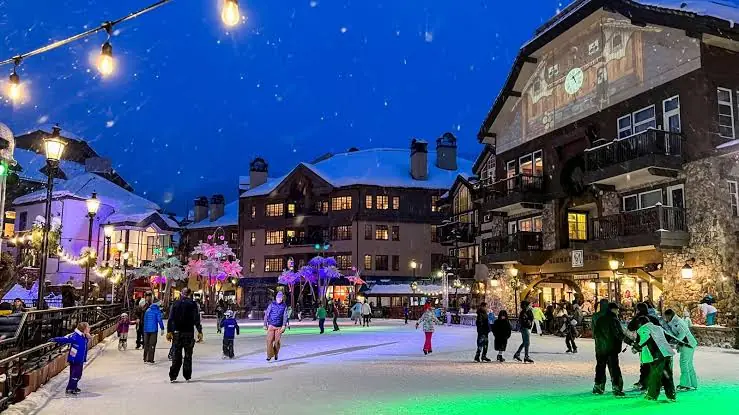
Northstar features a compact, family-oriented village design centered around an outdoor ice skating rink. However, maritime atmospheric patterns can produce heavy, wet snow and cause temporary highway closures over mountain passes.
4. Northern Rockies and Wilderness Reserves
Wilderness-focused resorts in Montana, Idaho, and Wyoming combine alpine sports with vast open space. Destinations like Big Sky Resort, Sun Valley, and Jackson Hole offer low crowd density and high-end residential housing.
Big Sky provides massive ski acreage via modern, heated chairlifts. However, these remote destinations require longer travel times, regional flight connections, and higher overall transportation budgets.
5. Northeastern Historic Alpine Villages
Eastern mountain destinations offer historic charm, accessible travel options, and tight-knit village footprints. Iconic centers like Stowe in Vermont, Mont-Tremblant in Quebec, and Lake Placid in New York feature European-style pedestrian architecture and specialized learning terrain.
These resorts provide excellent accessibility for driving trips from major East Coast cities. The primary drawback involves variable weather patterns, including cold temperatures and icy slope conditions.
| Regional Category | Base Elevation Range | Average Airport Transit | Primary Weather Risk | Ideal Target Group |
| Colorado Rockies | 8,000′ – 9,500′ | 2.5 – 4.0 Hours | High-Altitude Dryness | All-Age Intermediate Groups |
| Utah Wasatch | 6,500′ – 8,000′ | 0.5 – 1.0 Hours | Heavy Sudden Snowfall | Families Prioritizing Short Travel |
| Sierra Nevada | 6,000′ – 7,900′ | 1.0 – 2.0 Hours | Coastal Wind & Heavy Snow | Families Wanting Mild Temperatures |
| Northern Rockies | 6,000′ – 7,500′ | 1.0 – 2.5 Hours | Severe Cold Waves | Advanced Skiers & Nature Lovers |
| Northeast USA | 1,200′ – 2,000′ | 1.0 – 3.0 Hours | Freezing Rain & Hard Pack | East Coast Families & Beginners |
Strategic Decision Logic for Regional Selection
Selecting the proper mountain region requires matching geographical advantages with your group’s priorities:

Detailed Real-World Scenarios
Reviewing realistic travel scenarios illustrates how physical layouts, transit models, and age dynamics perform under specific constraints.
Scenario 1: The First-Time Winter Sports Family
-
Context: A family of four with children aged 5 and 8 plans their first five-night ski trip.
-
Constraints: Non-skiing parents require simple equipment logistics, patient instructional programs, and gentle learning slopes.
-
Selected Destination Type: Master-Planned Colorado Village with Slopeside Amenities (e.g., Beaver Creek, Colorado).
-
Decision Points: The family books a slopeside condominium near the central ice rink. They enroll the children in a dedicated youth academy that includes equipment storage at the snowfront.
-
Failure Modes: Booking an off-mountain hotel forces the family to transport four sets of ski equipment on public shuttles every morning, causing fatigue and frustration.
-
Second-Order Effects: Easy access to slopeside lockers allows parents to take rest breaks without lugging heavy equipment back to their hotel room.
Scenario 2: The Multi-Generational Summer Alpine Gathering
-
Context: A group of ten—including grandparents in their mid-70s, four adults, and four children aged 3 to 14—plans a July vacation.
-
Constraints: Grandparents need flat walking paths and scenic transit; teenagers want outdoor downhill mountain biking; toddlers need playground access.
-
Selected Destination Type: Pedestrian Alpine Village with Gondola Access (e.g., Sun Valley, Idaho).
-
Decision Points: The group reserves a multi-bedroom lodge adjacent to the pedestrian village. Grandparents use the gondola for scenic mountain dining while teenagers join guided bike tours.
-
Failure Modes: Selecting a resort with steep village roads limits mobility for the grandparents and restricts them to their rental home.
-
Second-Order Effects: Flat, paved trail networks allow three generations to go on evening walks together right from their front door.
Scenario 3: The Split-Interest Winter Vacation
-
Context: A family traveling with a non-skiing parent, an expert teenage snowboarder, and a beginner 10-year-old child.
-
Constraints: The destination must offer high-end spa facilities, advanced terrain parks, and beginner-friendly slopes within the same mountain footprint.
-
Selected Destination Type: Dual-Mountain Resort Hub (e.g., Aspen / Snowmass, Colorado).
-
Decision Points: The family stays at Snowmass Village, providing the beginner child with access to wide, gentle slopes. The teenager takes a quick shuttle to Aspen Mountain for advanced terrain, while the non-skiing parent visits village wellness centers.
-
Failure Modes: Booking an isolated mountain peak leaves the non-skiing parent without entertainment and forces the advanced teen onto limited terrain.
-
Second-Order Effects: Shared meeting points at mountain-base restaurants allow the family to join together for lunch every day.
Planning, Cost, and Resource Dynamics
Budgeting for alpine family destinations requires evaluating both direct room charges and indirect activity expenses. Peak winter holiday seasons command significant price premiums across accommodations, lift access, dining, and instructional programs.
Direct Costs
Direct expenses center on lodging, lift access, and winter-capable transit. Slopeside two-bedroom condominiums routinely range from $1,200 to $3,500 per night during peak winter holiday weeks. Single-day window lift tickets can exceed $250 to $300 per adult at major Western resorts, making multi-destination season passes (e.g., Epic Pass, Ikon Pass) essential for budget management.
Indirect and Variable Costs
Equipment rentals, ski school tuition, and slopeside dining add significant cost to a trip. Full-day group ski lessons with equipment and lunch range from $250 to $500 per child per day. Grocery delivery services and village dining outlets also carry high price tags due to remote mountain supply chains.
Seasonal Cost Dynamics
Planning trips during shoulder periods—such as early December, late January, or April—can cut lodging expenses by 30% to 50%. Summer stays at top mountain resorts often offer exceptional value, providing five-star amenities and outdoor activities at a fraction of winter rates.
| Cost Category | Regional Family Hill (Daily) | Premier Destination Resort (Daily) | Ultra-Luxury Alpine Hub (Daily) |
| Lodging (2-Bedroom Condo) | $400 – $800 | $1,200 – $2,500 | $2,800 – $6,500+ |
| Lift Access (Family of 4) | $300 – $550 | $700 – $1,100 (Window Rate) | $800 – $1,200+ |
| Youth Academy / Lessons | $150 – $250 / child | $280 – $480 / child | $600 – $1,200+ (Private) |
| Equipment Rentals | $40 – $70 / person | $75 – $120 / person | $110 – $180 / person |
| Dining & Grocery Premium | Standard + 15% | Standard + 35% | Standard + 60%+ |
Tools, Strategies, and Support Systems
Executing a successful alpine family vacation involves leveraging specialized planning services, booking strategies, and equipment delivery networks.
1. Advance Pass Purchasing Programs
Purchasing season pass products (such as Epic Pass, Ikon Pass, or Mountain Collective) six to eight months ahead of the winter season drastically lowers lift ticket costs. These passes frequently pay for themselves within four days of skiing and include extra discounts on food, rentals, and summer lift access.
2. Door-to-Door Luggage and Gear Services
Using specialized luggage delivery services (e.g., SkiVIP, Luggage Forward) allows families to ship bulky winter gear, ski bags, and clothing directly to their resort accommodations. This removes the hassle of hauling large bags through airport terminals and rental car centers.
3. Slopeside Delivery Rental Companies
Reserving equipment through mobile delivery services (e.g., Black Tie Ski Rentals, Ski Butlers) brings boot fittings and equipment deliveries directly to your living room. Technicians handle all adjustments on-site and can swap out boots or gear during your stay if fits change.
Risk Landscape and Failure Modes
Navigating mountain environments involves managing unpredictable weather patterns, physical exertion demands, and complex logistics. Identifying risks early helps families build effective contingency plans.
1. High-Altitude Illness and Physical Fatigue
Rapidly ascending above 8,000 feet without proper hydration or rest can cause acute mountain sickness, headaches, and nausea. Scheduling a quiet arrival day without strenuous physical activity allows family members to adjust comfortably to the altitude.
2. Mountain Pass and Airport Delays
Winter storms frequently cause flight delays or force closures on key mountain highways (such as Interstate 70 in Colorado or Highway 395 in California). Booking private, winter-ready transit or renting four-wheel-drive vehicles equipped with winter tires helps mitigate highway travel risks.
3. Equipment and Boot Fitting Issues
Ill-fitting boots or improperly adjusted equipment can cause discomfort and end a ski day early. Scheduling equipment fittings the afternoon before your first day on the slopes ensures plenty of time for minor adjustments.
Governance, Maintenance, and Long-Term Adaptation
Selecting the right mountain destination requires an ongoing evaluation of resort performance. Property management standards, lift infrastructure investments, and village developments change over time.
Pre-Trip Verification Checklist
Before booking an alpine vacation, review these core operational details:
-
Confirm the property’s exact distance and walking route to the nearest ski lift or gondola base.
-
Verify snowmaking coverage percentages across beginner and intermediate slopes.
-
Confirm that local transit systems run continuously throughout the early morning and late evening.
-
Check ski school enrollment policies, instructor-to-student ratios, and age thresholds.
-
Confirm that your lodging unit includes dedicated gear storage, boot dryers, and laundry appliances.
Measurement, Tracking, and Evaluation
Assessing whether a mountain resort delivered a successful stay requires looking beyond daily weather reports. Key operational signals help determine if a property is worth a return visit.
Leading Signals
-
Lift Network Capital Investment: The resort regularly updates lift systems with high-speed, multi-passenger chairlifts or gondolas that reduce base-area wait times.
-
Pre-Arrival Youth Academy Enrollment: The resort offers simple, clear online reservation portals for ski school spots, gear rentals, and lift tickets.
-
Snowmaking Infrastructure Depth: High investments in automated, energy-efficient snowmaking ensure stable slope coverage during dry weather stretches.
Lagging Signals
-
Base-Area Lift Wait Times: Main lift line wait times remain under fifteen minutes during peak morning rush periods.
-
Logistical Ease Score: The family moves between lodging, rental shops, and lesson meeting spots without major physical strain or delays.
-
Instructional Quality: Children demonstrate clear skill development, confidence, and enthusiasm after completing youth academy programs.
Common Misconceptions and Oversimplifications
1. “Ski-in/Ski-out Lodging is Always Worth the Premium for Beginners”
Slopeside properties charge high rates for direct access to the snow. However, if the adjacent trail consists of advanced or expert terrain, beginner skiers will still need to walk or ride transit to reach learning areas. Checking the difficulty rating of adjacent slopes is essential before paying a premium for ski-in/ski-out lodging.
2. “Mountain Resorts Offer Little Value Outside of Winter”
Modern alpine destinations invest heavily in summer operations. High-end resorts offer downhill bike parks, zip-line canopy tours, fly fishing, outdoor concerts, and golfing from June through October. Summer visits deliver full resort amenities, comfortable weather, and low crowd density at a fraction of winter prices.
3. “All Mountain Villages are Pedestrian-Friendly”
Many older resorts feature sprawling layouts bisected by busy public highways. True pedestrian villages restrict vehicle traffic, heated walkways prevent ice accumulation, and central plazas allow children to move around safely without constant vehicle supervision.
Ethical, Practical, and Contextual Considerations
Choosing mountain resort destinations involves important environmental and community considerations. High-altitude ecosystems are sensitive to seasonal weather shifts, heavy water usage for snowmaking, and local land development. Top-tier resort operators invest in eco-friendly practices, such as solar-powered lift systems, automated snowmaking that cuts water waste, and regional wildlife preservation programs.
Mountain resort communities also face affordable housing shortages for local workers. Properties that construct dedicated employee housing, offer fair year-round wages, and support local public transportation help build strong, stable communities. Choosing destinations that support their local workforce directly improves hospitality service and enriches the overall guest experience.
Strategic Conclusion
Finding the ideal destination among family mountain resort destinations usa requires analyzing physical mountain geography, village layouts, seasonal weather patterns, and multi-generational service models. Successful alpine vacations balance exciting outdoor sports with simple travel logistics and comfortable accommodations.
By using structured evaluation frameworks, accounting for indirect equipment costs, and securing early pass reservations, families can select mountain destinations that deliver stress-free, memorable vacations across every season.