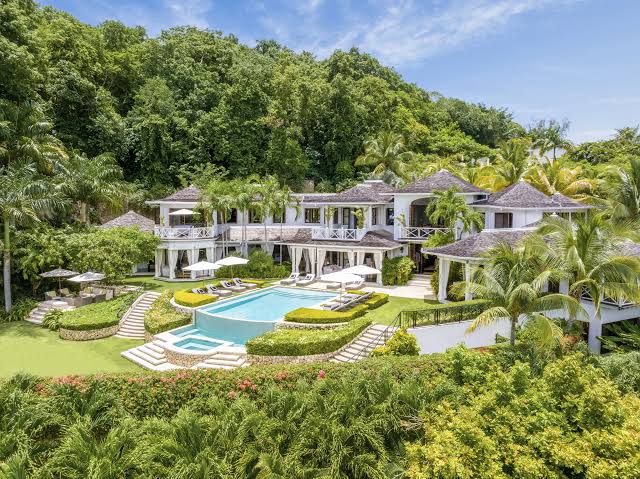
Best Luxury Family Resorts United States: Top Luxury Escapes
The market for high-end family hospitality has undergone a structural shift over the past decade. Upper-tier properties no longer cater exclusively to couples or business travelers while offering token babysitting services on the side. Modern hospitality groups recognize that multi-generational family units represent one of the fastest-growing sectors in premium travel. Consequently, top-tier properties across North America now build whole operational modules designed to serve adults and children without compromising quality for either group.
Evaluating these destinations requires moving beyond marketing brochures and basic amenities lists. True high-end family travel balances distinct and often conflicting needs. Young children require safety, intuitive physical layouts, and age-appropriate engagement. Teenagers demand autonomy, social spaces, and engaging outdoor programming. Adults seek culinary rigor, spa facilities, and genuine quiet zones. When a resort fails to balance these dynamics, the vacation breaks down into a series of logistical compromises.
This guide offers a clear framework for analyzing, choosing, and booking premier family properties across the United States. By examining regional dynamics, structural operational models, hidden cost structures, and risk factors, families can select destinations that match their specific requirements.
Understanding “Best Luxury Family Resorts United States”
The search phrase best luxury family resorts united states represents a complex decision-making challenge rather than a simple destination search. When travelers evaluate premium properties, they often focus on superficial features like thread count, zero-entry pools, or branded kids’ clubs. However, true institutional quality in family hospitality depends on operational design. The goal is to provide seamless service to guests with vastly different schedules, physical capabilities, and expectations.
Oversimplifying this selection often leads to friction during the stay. A resort may offer fine dining and an expansive spa, yet lack the infrastructure needed to keep toddlers safe or teenagers engaged. Conversely, properties that focus heavily on youth entertainment often sacrifice culinary precision and adult relaxation spaces. High-end family travel succeeds when physical design and service workflows allow multiple generations to share space without intruding on one another’s experiences.
Operational Separation
A common point of failure is how properties handle age-based physical separation. High-performing destinations construct clear boundary zones. They separate energetic splash zones from quiet, adult pools using landforms, acoustic barriers, and thoughtful landscaping. This structural isolation ensures that adults can relax in peace while children play freely without disturbing other guests.
Staff Ratio Dynamics
High-end service depends on favorable staff-to-guest ratios across every department. Standard hospitality models cut staffing during off-peak hours or consolidate child-supervision programs. Premium family resorts maintain dedicated, specialized teams for youth programming, concierge logistics, and dining services. These teams handle complex schedule adjustments, dietary needs, and sudden weather changes without degrading service quality.
Multi-Generational Spatial Design
Room configurations dictate how comfortably a family can stay for a week or more. Standard connected hotel rooms rarely provide enough acoustic insulation or communal living space for larger groups. Leading properties offer multi-bedroom residential suites, standalone cottages, or private villas with full kitchens and dedicated common areas. These layouts allow family members to retreat to private areas while keeping shared spaces available for group activities.
Deep Contextual Background
The evolution of upper-tier family hospitality in the United States reflects changing post-war demographics, shifts in wealth creation, and evolving family structures. Historically, high-end American resorts operated under rigid formal models. Legacy properties in the Northeast and Mid-Atlantic expected guests to adhere to strict dress codes, fixed dining schedules, and adult-centric quiet hours. Children were often relegated to secondary dining rooms or kept under the care of private nannies.
The expansion of sun-belt destinations during the 1980s and 1990s introduced larger, amenity-driven resorts. Properties built during this period featured massive pool complexes, golf courses, and dedicated kids’ club facilities. However, these developments often favored scale over personal service. The modern era of luxury family travel emerged in the late 2000s, driven by a growing demand for experiential travel and multi-generational family gatherings. Families sought out authentic, region-specific experiences rather than standardized resort activities.
Today’s premier properties integrate high-end residential design directly into traditional resort operations. Modern families want the comfort and space of a private home paired with five-star hotel services. This operational shift requires significant investments in infrastructure, such as expanding private dining spaces, offering specialized outdoor equipment, and hiring certified child-development staff. Understanding this historical progression helps clarify why older legacy resorts and modern residential properties handle family travel so differently today.
Conceptual Frameworks and Mental Models
Evaluating premier travel destinations requires systematic frameworks to move past subjective reviews and assess a property’s true capabilities.
1. The Tripartite Guest Allocation Model
This framework categorizes resort space and staff resources into three functional zones: Adult Sanctuary, Youth Engagement, and Shared Family Connection.
-
Adult Sanctuary: Quiet areas like spas, adult pools, and fine dining restaurants that remain protected from noise.
-
Youth Engagement: Secure, professionally staffed spaces designed for specific age groups, from toddlers to teenagers.
-
Shared Family Connection: Central hubs where families gather, including main pools, outdoor recreation lawns, and casual dining venues.
Framework Limit: Properties often over-index on Shared Family Connection, which can overcrowd central zones and cause operational strain during peak hours.
2. The Multi-Generational Friction Index
This model measures operational friction across three generations traveling together: Grandparents, Parents, and Children. It tracks structural factors like walking distances, steps, ADA accessibility, quiet spaces, dining variety, and scheduling flexibility.
Framework Limit: Reducing friction for one age group can accidentally increase it for another. For example, replacing steps with long ramps helps guests with limited mobility, but it expands the resort footprint and increases walking distances for small children.
3. The Autonomy-to-Security Matrix
This model balances child safety against age-appropriate independence. Younger children require enclosed, heavily supervised spaces with strict drop-off protocols. Teenagers require clear resort perimeters and designated social hubs where they can hang out without feeling overly managed.
Framework Limit: This matrix depends heavily on child maturity and cannot fully account for sudden behavioral changes or varying family preferences.
Key Categories and Operational Variations
Properties across the United States fall into distinct operational categories. Each model offers clear trade-offs depending on a family’s priorities, children’s ages, and preferred vacation pace.
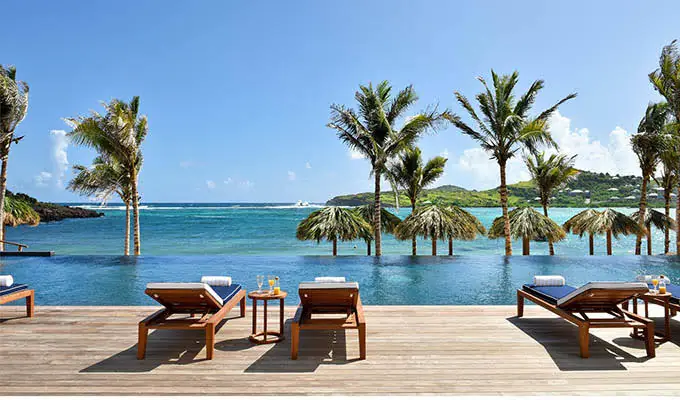
1. Coastal and Island Destinations
Coastal properties rely on direct beach access and marine activities. Flagship examples like Sea Island in Georgia, the Four Seasons Resort Maui at Wailea, and The Sanctuary at Kiawah Island offer structured water sports, beach service, and oceanfront pools.
These resorts excel at providing classic vacation environments with warm-weather activities. However, they face seasonal weather risks, marine hazards, and high guest density during summer and spring break seasons.
2. Alpine and Mountain Resorts
Mountain destinations focus on ski-in/ski-out convenience in winter and outdoor sports in summer. Properties like Montage Deer Valley, Stein Eriksen Lodge in Utah, and the Four Seasons Resort Jackson Hole offer outdoor recreation paired with high-end spa and dining options.
The primary trade-off involves physical exertion and elevation adjustments, which can be challenging for toddlers or elderly relatives.
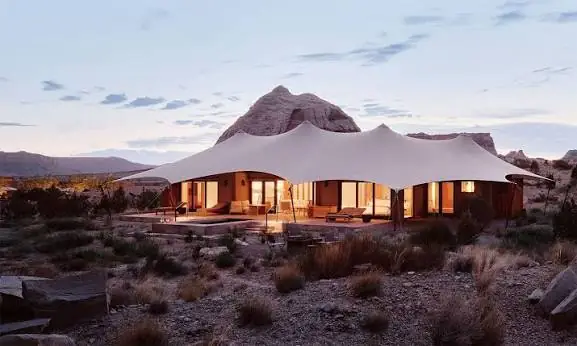
3. Luxury Dude Ranches and Wilderness Lodges
Wilderness properties offer immersive, all-inclusive outdoor programs. Top destinations include The Resort at Paws Up and The Ranch at Rock Creek in Montana, along with Brush Creek Ranch in Wyoming.
These properties provide high staff-to-guest ratios, private accommodations, and structured activities like horseback riding, fly fishing, and shooting sports. The trade-off is geographic isolation, limited access to major medical facilities, and higher overall costs.
4. Sun-Belt Desert and Oasis Resorts
Desert destinations offer year-round sunshine and expansive amenity decks. Venues such as The Phoenician and the Four Seasons Resort Scottsdale at Troon North in Arizona deliver reliable weather, golf facilities, and large pool complexes.
The main drawback is extreme summer heat, which restricts outdoor activities during midday hours and shifts resort programming indoors.
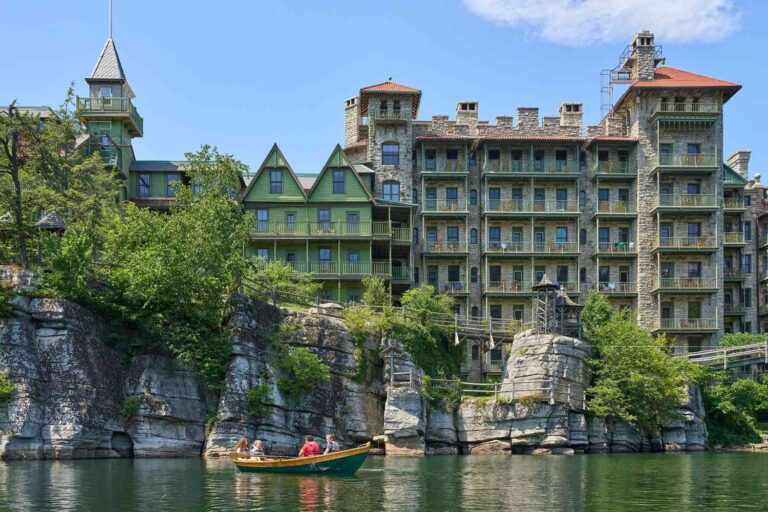
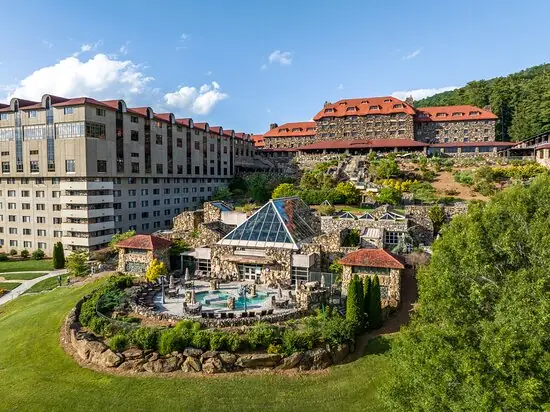
5. Historic Manor Estates and Historic Resorts
Historic properties blend regional heritage with modern high-end amenities. Iconic sites like The Greenbrier in West Virginia, The Cloister at Sea Island, and The Boca Raton in Florida offer historic architecture alongside updated sports facilities.
These properties deliver timeless charm and formal service, but their historic layouts can present accessibility challenges and less intuitive room configurations.
6. Theme-Park Adjacent Luxury
Theme-park adjacent properties combine high-end hospitality with priority access to major entertainment venues. Standard-setting examples include the Four Seasons Resort Orlando at Walt Disney World Resort and The Ritz-Carlton Orlando, Grande Lakes.
These resorts offer seamless transportation, VIP park planning, and quiet retreat spaces away from theme park crowds. However, the surrounding environment remains busy, making it less ideal for families seeking absolute quiet.
| Property Category | Target Age Group | Staff-to-Guest Ratio | Average Base Footprint | Primary Risk Factor |
| Coastal / Island | All Ages | 1:3 to 1:4 | Compact to Medium | Weather & Tidal Hazards |
| Alpine / Mountain | 5+ Years | 1:3 to 1:5 | Vertical / Multi-Level | Altitude & Extreme Weather |
| Luxury Guest Ranch | 6+ Years | 1:1 to 1:2 | Expansive Acreage | Isolation & Wildlife Exposure |
| Desert / Sun-Belt | All Ages | 1:4 to 1:5 | Sprawling Horizontal | Heat Exposure |
| Historic Estates | All Ages | 1:3 to 1:5 | Fragmented Legacy | Accessibility Constraints |
| Theme-Park Luxury | 2–14 Years | 1:4 to 1:6 | Centralized Campus | External Over-Stimulation |
Strategic Decision Logic for Category Selection
Choosing the right resort category requires aligning the property’s operational strengths with your family’s dynamic:

Detailed Real-World Scenarios
Analyzing real-world scenarios highlights how physical layouts, programming, and service structures perform under specific family constraints.
Scenario 1: The Multi-Generational Celebration
-
Context: A family group of 12—including grandparents in their late 70s, four adults, and six children aged 3 to 15—books a seven-night stay to celebrate an anniversary.
-
Constraints: The grandparents require flat terrain and quiet spaces; the young children need supervised play areas; the teenagers demand autonomy and high-energy sports.
-
Selected Property Type: Historic Coastal Estate with private residential villas (e.g., Sea Island, Georgia).
-
Decision Points: The family books a multi-bedroom oceanfront cottage near the central lodge. This provides short walking distances for the grandparents while keeping the main pool complex accessible for the children.
-
Failure Modes: Booking separate, disconnected hotel rooms across multiple wings causes group coordination friction and forces the family to meet constantly in noisy public lobbies.
-
Second-Order Effects: The shared villa layout allows parents to put young children to bed early while adults continue dinner on the private patio.
Scenario 2: The Toddler and Infant Focus
-
Context: Parents traveling with an 11-month-old infant and a 3-year-old toddler seek a five-night getaway.
-
Constraints: High need for strict nap schedules, stroller-accessible pathways, on-demand room sterilization, and specialized baby gear.
-
Selected Property Type: Modern Sun-Belt Oasis with integrated residential amenities (e.g., Four Seasons Resort Scottsdale, Arizona).
-
Decision Points: The parents select a ground-floor suite with a shaded terrace and direct lawn access. They coordinate with the concierge to pre-stock the room with cribs, bottle warmers, and age-appropriate toys before arrival.
-
Failure Modes: Selecting a multi-level mountain lodge with steep staircases and far-away dining options creates constant stroller friction and complicates nap routines.
-
Second-Order Effects: Easy access to shaded outdoor areas allows one parent to relax outside with the toddler while the infant sleeps inside.
Scenario 3: The Teen-Centric Active Adventure
-
Context: A family with three teenagers aged 13, 15, and 17 wants an active, outdoor-focused trip.
-
Constraints: Teens require independence, social activities with peers, and challenging physical experiences.
-
Selected Property Type: All-Inclusive Wilderness Guest Ranch (e.g., The Resort at Paws Up, Montana).
-
Decision Points: The family books a luxury canvas estate with dedicated butler service. Teens participate in guided ATV tours, rappelling, and fly fishing without direct parental supervision.
-
Failure Modes: Staying at an adult-focused resort with restricted youth spaces leads to teen disengagement and constant family friction.
-
Second-Order Effects: Structured group adventures allow teenagers to build confidence while parents enjoy uninterrupted time at the spa or adult dining venues.
Planning, Cost, and Resource Dynamics
Evaluating the real cost of luxury family travel requires analyzing both direct nightly room rates and indirect operational expenses. High-end family properties often charge extra fees for specialized services, youth activities, dining, and seasonal experiences.
Direct Costs
Direct costs include published room rates, mandatory resort fees, and local taxes. At premier properties, base rooms range from $800 to over $2,500 per night during peak seasons, while multi-bedroom residential villas run between $3,500 and $15,000+ per night. Mandatory resort fees—which cover high-speed Wi-Fi, grounds maintenance, and basic shuttle service—frequently add $50 to $150 per day to the bill.
Indirect and Variable Costs
Indirect expenses often account for a large portion of the final bill. On-site dining carries significant price increases compared to off-property options. Specialty youth programs, certified private nannies, golf tee times, and spa treatments add to the overall cost. Gratuities for baggage handling, valet, housekeeping, and private activity guides also represent a notable expense.
Opportunity Costs and Seasonality
Booking during peak holiday weeks—such as Festive Season (December 20 – January 2), Spring Break, or July 4th—demands maximum rates, rigid non-refundable deposit schedules, and minimum-stay requirements. Traveling during shoulder seasons often cuts room rates by 30% to 50%, reduces guest density, and improves staff availability without sacrificing weather quality.
| Cost Category | Moderate Luxury Tier (Nightly) | Premier Flagship Tier (Nightly) | Ultra-Luxury / All-Inclusive (Nightly) |
| Base Accommodations | $800 – $1,400 | $1,500 – $3,500 | $3,500 – $8,000+ |
| Dining & Beverage (Family of 4) | $350 – $600 | $600 – $1,200 | Included in Base Rate |
| Youth Programs & Babysitting | $100 – $250 / day | $200 – $500 / day | Included / Minor Surcharge |
| Activities & Excursions | $200 – $500 / day | $500 – $1,500 / day | Included in Base Rate |
| Resort Fees & Taxes | 15% – 20% of base | 18% – 22% of base | Included or Flat Fee |
Tools, Strategies, and Support Systems
Executing a high-end family vacation requires systematic planning and the use of dedicated booking channels.
1. Preferred Travel Advisor Networks
Booking through established luxury networks (e.g., Virtuoso, Four Seasons Preferred Partner, Rosewood Elite, Marriott International Stars & Luminous) provides distinct operational advantages. These include room upgrades upon arrival, complimentary daily breakfast for the family, flexible check-in/check-out times, and property credits ranging from $100 to $500 per stay.
2. Pre-Arrival Concierge Engagement
Contacting the pre-arrival concierge team 30 to 60 days before check-in helps secure high-demand dining reservations, prime cabana locations, spa appointments, and custom youth program placements. It also ensures that specific room preferences—such as floor level, bed configurations, and child-proofing requirements—are confirmed well in advance.
3. Advanced Equipment and Supply Fulfillment Services
Utilizing dedicated delivery services (e.g., BabyQuip for high-end nursery gear, Luggage Forward for baggage transport) eliminates the friction of hauling heavy gear through airports. These services deliver stroller systems, cribs, high chairs, and sports equipment directly to your resort suite before you arrive.
Risk Landscape and Failure Modes
Even top-tier luxury family trips can run into operational issues. Anticipating potential risks helps families plan effectively and avoid major disruptions.
1. Acoustic and Spatial Mismatch
A common issue occurs when properties place family suites directly above noisy adult venues or right next to main thoroughfares. Poor sound insulation can disrupt child sleep schedules, creating stress for the entire family.
2. Youth Program Capacity Limitations
During peak holiday periods, resorts may face high demand for youth club spots. Families who skip pre-arrival reservations might find the kids’ club fully booked, leaving them without planned child-care support.
3. Dining Policy Friction
Rigid reservation policies or overly formal dining atmospheres can create awkward situations for families with young children. Properties that lack casual, high-quality dining options force families to choose between formal, long dinners or subpar room service.
4. Severe Weather and Facility Closures
Coastal and mountain properties depend heavily on fair weather. When severe weather strikes, resorts without large indoor recreation spaces struggle to keep children engaged, leading to restless families.
Governance, Maintenance, and Long-Term Adaptation
Selecting the right resort requires an ongoing evaluation of property performance. Resort quality changes over time as management groups shift, renovations occur, and key staff transition.
Pre-Booking Audit Checklist
Before committing to a property, complete a thorough check:
-
Verify the date of the most recent room and amenity renovations.
-
Check for scheduled construction or major corporate conferences during your stay.
-
Confirm that youth program age categories align with your children’s current ages.
-
Review room floor plans to ensure adequate space, acoustic separation, and elevator access.
-
Confirm the availability of medical support services on-site or nearby.
Measurement, Tracking, and Evaluation
Assessing whether a luxury property delivered a successful stay requires looking beyond subjective impressions. Key operational signals help determine if a resort is worth a return visit.
Leading Signals
-
Concierge Responsiveness: The concierge team answers complex pre-arrival requests in under 24 hours.
-
Pre-Arrival Intake Precision: The resort proactively collects information about child ages, nursery equipment needs, and dietary preferences.
-
Room Assignment Accuracy: The front desk assigns your preferred room location without requiring on-site adjustments.
Lagging Signals
-
Service Recovery Speed: Housekeeping and maintenance resolve room requests or issues in under 15 minutes.
-
Pool and Deck Density: Public pool decks operate without aggressive chair-saving tactics or long service delays.
-
Youth Club Consistency: Youth staff remain consistent throughout the week, building rapport with your children.
Common Misconceptions and Oversimplifications
1. “All Five-Star Resorts Handle Families Equally Well”
A property can earn a five-star rating by offering exceptional service to adult couples while remaining poorly equipped for children. High ratings in luxury guidebooks do not guarantee adequate family infrastructure, connecting suites, or engaging youth programs.
2. “Kids’ Clubs are Glorified Daycare Facilities”
Top-tier luxury family resorts employ certified educators and naturalists to design engaging, region-specific youth programs. Activities often include marine biology field studies, outdoor survival skills, cooking classes with executive chefs, and local art sessions.
3. “All-Inclusive Options Always Provide the Best Value”
While high-end wilderness ranches use all-inclusive pricing effectively, coastal and sun-belt resorts often charge high base rates while billing separately for meals, premium activities, and parking. Evaluating the total cost requires itemizing expected daily expenses rather than relying on published base rates alone.
Ethical, Practical, and Contextual Considerations
Choosing luxury family resorts involves broader environmental and social factors. High-end destinations often operate in ecologically sensitive regions, including coastal barrier islands, fragile desert oases, and mountain environments. Top properties invest in sustainable operations, such as water conservation systems, local farm partnerships, and wildlife protection programs. Supporting properties that prioritize environmental stewardship helps protect these destinations for future generations.
Additionally, resorts play an important role in local economies. Upper-tier properties that offer fair wages, professional development, and year-round employment retain experienced staff, which directly enhances service quality. Valuing fair employment practices aligns ethical considerations with high-quality travel experiences.
Strategic Conclusion
Finding the best luxury family resorts united states requires balancing physical amenities, room configurations, and operational capabilities against your family’s unique dynamics. A successful stay depends on matching a property’s specific strengths with the ages, interests, and schedules of every family member.
By utilizing structured evaluation frameworks, accounting for total costs, and completing detailed pre-arrival planning, families can choose destinations that offer memorable, stress-free travel experiences.