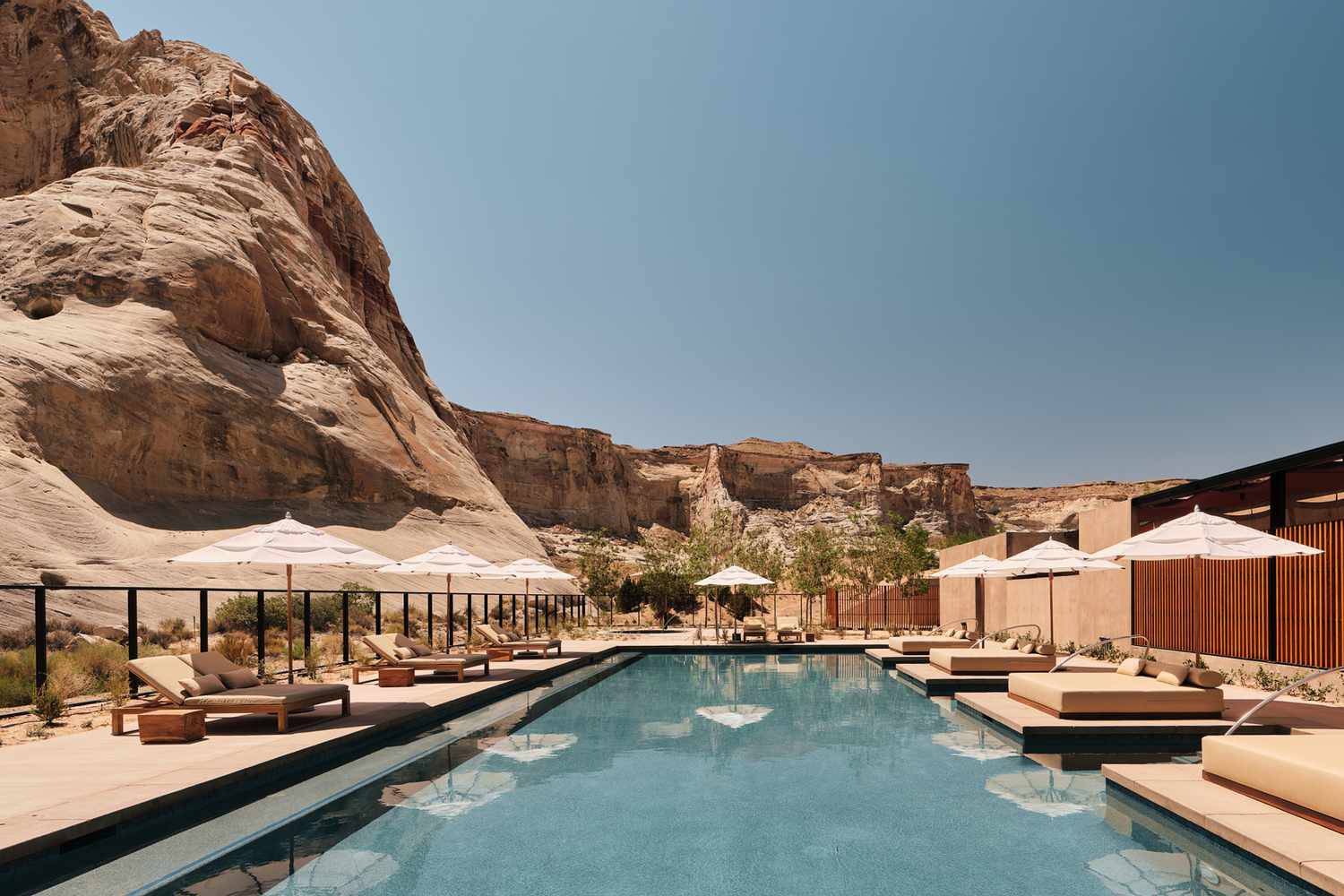
Luxury Family Wellness Destinations USA: Expert Operational Guide
Wellness hospitality historically focused on solitary retreatants, adult couples, or specialized clinical patients. Merging comprehensive wellness programming with multi-generational family travel creates complex operational challenges for luxury resort operators. Properties must reconcile quiet thermal spas, silence mandates, and intensive diagnostic therapies with the energetic needs, varied dining schedules, and dynamic recreation requirements of children and teenagers.
Bridging this gap requires rethinking resort master planning and programmatic zoning. High-end destinations no longer view youth activities as simple babysitting services. Top enclaves integrate physical recovery, outdoor adventure, culinary education, and mindfulness into multi-generational stay frameworks.
Evaluating premier health retreats requires looking beyond surface aesthetics like hydrotherapy pools, vegan menus, or organic linens. Real operational excellence rests on programmatic flexibility, spatial separation between quiet and active zones, and qualified practitioners capable of engaging diverse age groups simultaneously.
Luxury Family Wellness Destinations USA
Evaluating luxury family wellness destinations usa requires examining how health programming, age-appropriate recreation, and spatial zoning intersect within resort operations. Traditional wellness retreats operated under strict adult-only rules to preserve silent meditation spaces and quiet spa zones. High-end family destinations build flexible environments that deliver real health benefits to adults while offering engaging movement, outdoor skills, and nutrition programs for kids.
Understanding what elevates a family wellness resort involves analyzing its physical layout and schedule flexibility. Superior properties separate hydrotherapy circuits and meditation gardens from active sports complexes and family dining rooms. This spatial separation lets adults participate in deep recovery treatments while children enjoy supervised wilderness adventures nearby.
Acoustic and Spatial Separation
Top properties position adult thermal baths far from energetic youth splash zones. Thick forest buffers, stone walls, and subterranean corridors insulate quiet areas from outdoor sound.
Multi-Generational Villa Layouts
Leading destinations offer standalone residential villas with private treatment rooms, cold plunge tubs, and full kitchens. These spacious layouts allow families to gather for tailored healthy meals while maintaining quiet bedroom retreats.
Parallel Program Schedules
Premier resorts align adult treatment schedules with youth outdoor activities. While parents attend longevity consultations or yoga classes, teenagers learn mountain biking or wilderness survival skills with trained guides.
Deep Contextual Background
The evolution of health retreats across North America reflects changing views on family health, preventive care, and hospitality design. Early twentieth-century mineral springs and mountain sanatoriums served adults seeking rest from urban stress. These historic retreats enforced strict routines, simple diets, and quiet environments that excluded energetic children.
The Destination Spa Era
During the late 1970s and 1980s, dedicated destination spas gained popularity across Arizona, California, and New England. These properties focused on adult fitness, calorie management, and stress relief. Facilities viewed children as disruptions to the calm environment necessary for adult rejuvenation.
The Shift Toward Preventive Family Care
By the early 2010s, rising interest in longevity, functional medicine, and mental well-being changed family travel priorities. Parents wanted to share healthy habits, outdoor activities, and mindfulness practices with their children during vacations.
Modern Longevity and Eco-Adventure Retreats
Contemporary destinations blend high-tech recovery facilities with outdoor nature programs. Modern properties feature cryotherapy chambers, advanced diagnostic labs, and farm-to-table culinary schools alongside youth wilderness survival camps and equestrian academies.
Conceptual Frameworks and Mental Models
Evaluating luxury family wellness destinations usa requires structured decision models that balance adult recovery goals, child engagement, and residential privacy.
1. The Family Wellness Evaluation Triad
This framework rates health destinations across three core operational pillars: Spatial Zoning, Villa Autonomy, and Parallel Schedule Synchronization.
-
Spatial Zoning: Separation of quiet thermal spaces from active youth recreation hubs.
-
Villa Autonomy: Availability of multi-bedroom residences with private wellness amenities and kitchens.
-
Parallel Schedule Synchronization: Alignment of adult recovery treatments with engaging youth activities.
Framework Limit: Highly customized family wellness programs carry elevated tuition and villa rental fees.
2. The Wellness Engagement Spectrum
This model evaluates how well resort activities accommodate varying interest levels within a family, from casual relaxation to intensive health diagnostics.
Framework Limit: Strict health retreats may alienate family members who prefer unstructured vacation time.
3. The Generational Recovery Matrix
This model tracks how effectively a resort balances high-intensity outdoor sports for teenagers with low-impact mobility work for grandparents.
Framework Limit: Covering wide age spans requires hiring diverse, highly certified instruction staff.
Key Categories and Operational Variations
Family health destinations across the United States vary considerably in climate, natural surroundings, and core therapeutic focus.
1. Desert Thermal Mineral Springs
Located across Arizona, Southern California, and Utah, these resorts offer geothermal mineral baths, dry desert heat, and dark-sky stargazing.
Adults utilize mineral pools and detoxification therapies while children explore desert ecology trails. Summer heat limits outdoor afternoon exercise.
2. High-Alpine Mountain Eco-Lodges
Situated across Colorado, Utah, and Wyoming, these lodges feature high-altitude trail running, alpine mountain biking, and cold-plunge river baths.
Families participate in guided hikes, horseback riding, and winter ski recovery sessions. Higher elevations can require a brief adjustment period.
3. Coastal Marine Thalassotherapy Retreats
Positioned along California, Hawaii, and Atlantic coastal waters, these enclaves focus on ocean water therapies, surf conditioning, and marine mindfulness.
Resorts offer paddleboard yoga, tidepool walks, and sea-mineral body treatments. Colder ocean currents can make outdoor pools essential.
4. Country Farm-to-Table Estates
Located in Vermont, Tennessee, and Virginia, these properties focus on regenerative agriculture, nutrition education, and farm-based movement.
Families join harvesting sessions, healthy cooking classes, and horseback trails. These rural locations can involve longer travel times from major hubs.
| Regional Wellness Category | Primary Transit Mode | Core Therapeutic Focus | Signature Family Amenity | Main Operational Challenge |
| Desert Mineral Springs | Flight + Rental Car Drive | Thermal Mineral Hydration | Geothermal Pool Complexes | High summer afternoon heat |
| Mountain Eco-Lodge | Flight + Scenic Mountain Drive | High-Altitude Conditioning | Guided Alpine Trail Treks | High elevation adjustment period |
| Coastal Marine Retreat | Airport Flight + Highway Drive | Thalassotherapy & Marine Care | Surf Conditioning Camps | Colder coastal ocean currents |
| Farm-to-Table Estate | Regional Airport + Country Drive | Organic Nutrition Education | Farm Harvesting & Cooking | Longer ground travel distances |

Strategic Regional Selection Logic
Selecting from luxury family wellness destinations usa requires matching regional geography with your family’s health priorities:
Detailed Real-World Scenarios
Analyzing real travel scenarios demonstrates how spatial design, program schedules, and villa choices shape family health vacations.
Scenario 1: Multi-Generational Health Trip to a Desert Thermal Resort
-
Context: A ten-person family including grandparents, adult siblings, and four young children plans an April trip to a Tucson health resort.
-
Constraints: Grandparents require accessible mobility paths; parents want private longevity consultations; children need active play.
-
Selected Strategy: Multi-Bedroom Private Compound with Thermal Plunge Pools.
-
Decision Points: The family books a three-villa compound around a private geothermal pool. Parents attend morning health consultations while grandparents enjoy low-impact aquatic movement. Children join supervised nature hunts, reuniting for private family farm dinners.
-
Failure Modes: Staying in standard hotel rooms exposes family members to noisy public pool areas, disturbing quiet recovery hours.
-
Second-Order Effects: Private villa space allows family members to follow individual health schedules without feeling rushed.
Scenario 2: Teen Fitness Getaway to a Colorado Mountain Lodge
-
Context: Parents traveling with two active teenagers (ages 14 and 17) head to Aspen for a summer fitness break.
-
Constraints: Teenagers dislike passive spa treatments; parents want deep tissue recovery and mindfulness coaching.
-
Selected Strategy: Mountain Alpine Lodge with Youth Sports Academy.
-
Decision Points: The family reserves a mountain lodge offering youth trail biking and rock climbing. Teenagers complete morning mountain runs with coaches while parents attend mindfulness workshops, joining together for afternoon river rafting.
-
Failure Modes: Booking an adult-focused silent retreat leaves teenagers bored and restricted.
-
Second-Order Effects: Guided mountain sports build teen confidence while allowing parents time for undisturbed relaxation.
Scenario 3: Young Family Retreat to a Vermont Farm Estate
-
Context: A family with a 3-year-old and a 6-year-old seeks a relaxed nutrition and nature retreat.
-
Constraints: Young children require predictable meal times and early bedtimes; parents want organic dining and spa access.
-
Selected Strategy: Low-Density Farm Cottage with Private Kitchenette.
-
Decision Points: Parents pick a farm cottage near organic gardens. Kids participate in morning animal feeding and harvest walks, allowing parents to take turns visiting the spa before early family dinners.
-
Failure Modes: Staying at an adult destination spa with age limits creates constant scheduling conflicts.
-
Second-Order Effects: Direct farm access encourages healthy eating habits in young children while protecting daily routines.
Planning, Cost, and Resource Dynamics
Budgeting for luxury family health vacations requires accounting for diagnostic lab fees, private fitness coaches, and custom meal planning alongside room rates.
High-Season Pricing Shifts
Health resorts experience distinct demand spikes driven by climate preferences. Desert and coastal locations peak during winter and spring, while mountain and farm estates charge top rates during summer and autumn harvest months.
Specialized Practitioner and Diagnostic Costs
Accessing advanced diagnostic labs, functional medicine doctors, and private movement coaches adds noticeable costs to base room rates. Custom health panels and private training sessions should be budgeted during initial planning.
Premium Facility Surcharges
Maintaining hydrotherapy circuits, hyperbaric chambers, organic farms, and specialized fitness equipment increases resort operational overhead. These maintenance expenses appear as daily wellness program fees.
| Regional Wellness Category | Nightly Villa Rate (Peak) | Private Coaching Cost | Health Diagnostic Fee | Optimal Travel Window |
| Desert Thermal Springs | $1,500 – $3,500 | $200 – $450 / session | $500 – $2,500 / person | October through April |
| Mountain Eco-Lodge | $1,800 – $4,200 | $250 – $500 / session | $600 – $2,000 / person | June through October |
| Coastal Marine Retreat | $1,600 – $3,800 | $220 – $480 / session | $450 – $1,800 / person | May through October |
| Farm-to-Table Estate | $1,200 – $2,800 | $180 – $380 / session | $350 – $1,500 / person | May through November |
Tools, Strategies, and Support Systems
Planning a successful family health retreat relies on health tracking tools, pre-arrival consultations, and pre-arranged activity schedules.
1. Pre-Arrival Health Consultations
Completing health intake forms and virtual medical consultations prior to arrival allows resort teams to customize schedules, dietary plans, and spa treatments.
2. Wearable Health and Sleep Tracking
Monitoring sleep patterns, recovery scores, and daily physical exertion helps parents adjust activity levels for family members during the stay.
3. Pre-Arranged Concierge Schedule Coordination
Reserving private fitness coaches, spa appointments, and youth wilderness guides weeks in advance guarantees access during peak holiday seasons.
Risk Landscape and Failure Modes
Family health vacations present unique operational, physical, and programmatic risks that require proactive management.
1. Programmatic Fatigue and Over-Scheduling
Packing daily itineraries with continuous fitness classes, diagnostic tests, and spa treatments can exhaust family members. Leave open blocks of unstructured downtime to promote rest.
2. Physical Exertion and Elevation Fatigue
Engaging in intense mountain hikes or thermal immersion without adequate rest can cause fatigue or minor injuries. Increase activity levels gradually and ensure consistent hydration throughout the stay.
3. Rigid Dietary Rules
Forcing strict meal plans on family members can create tension during vacations. Choose properties that offer flexible dining options, balancing clean nutrition with enjoyable family meals.
Governance, Maintenance, and Long-Term Adaptation
Evaluating your health retreat stay helps you refine future wellness planning as children grow and family health goals change.
Post-Trip Evaluation Checklist
Review these key questions after returning from a health resort stay:
-
Did the resort’s spatial zoning protect quiet adult recovery areas from youth activity noise?
-
Did villa sleeping arrangements provide enough space and privacy for all generations?
-
Were daily fitness classes and spa appointments balanced with restful downtime?
-
Did nutrition programs accommodate family dietary needs without causing stress?
-
Did youth adventure programs engage children while giving adults time to relax?
Measurement, Tracking, and Evaluation
Evaluating vacation success involves balancing qualitative family rest with quantitative health metrics.
Qualitative Metrics
-
Mental Rejuvenation: Subjective improvements in stress levels, mental focus, and overall mood across family members.
-
Youth Enthusiasm: Active child participation in outdoor adventure, farm harvesting, and movement classes.
-
Rest Quality: Consistently peaceful sleep delivered by quiet residential villas and effective climate control.
Quantitative Metrics
-
Biometric Improvements: Positive changes in sleep scores, resting heart rate, and HRV data tracked during the stay.
-
Diagnostic Benchmarks: Baseline data established through VO2 max testing, body composition scans, and metabolic panels.
-
Program Spend Performance: Keeping diagnostic fees, private coaching, and villa costs within target budgets.
Common Misconceptions and Oversimplifications
1. “Family Wellness Resorts Are Just Standard Spas With Daycare”
Premier family health destinations integrate structured outdoor movement, nutrition education, and mindfulness into dedicated youth programs, rather than relying on basic childcare services.
2. “Health Retreats Force Everyone Onto Rigid Diets”
Modern luxury destinations provide flexible culinary programs, offering clean, organic meals alongside tailored options that satisfy varied family preferences.
3. “Children Disrupt the Calm Spa Environment”
Thoughtful resort master planning uses thick forest buffers, separate thermal zones, and private villas to ensure adult quiet spaces remain peaceful.
Ethical, Practical, and Contextual Considerations
Choosing sustainable health destinations supports eco-friendly hospitality practices and regional environmental conservation. Top properties invest in organic farming, geothermal heating, water recycling, and local land conservation.
Supporting environmentally responsible health resorts protects delicate natural ecosystems, preserves regional farmland, and promotes sustainable wellness practices for future generations.
Strategic Conclusion
Selecting premier luxury family wellness destinations usa requires evaluating regional climates, programmatic zoning, and multi-bedroom villa layouts. Understanding how health resorts balance adult recovery with youth recreation allows families to choose destinations that promote long-term well-being.
Matching natural environments to your family’s health goals, balancing schedules thoughtfully, and selecting spacious villa accommodations transforms standard vacations into lasting health retreats.