Best Waterfront Family Resorts United States: Strategic Analysis
Waterfront hospitality environments present distinct spatial dynamics that separate true coastal destinations from inland leisure properties. Coastal enclaves enforce strict physical parameters. Operators must engineer tidal protection, maintain marine recreation infrastructure, and deliver sheltered residential spaces. When multi-generational groups assemble along coastal margins, daily schedules must adapt to unpredictable weather shifts, wave conditions, and complex marine safety considerations.
Evaluating premier coastal enclaves requires looking beyond surface aesthetics like infinity edges or beachfront dining rooms. Real operational quality along marine borders rests on coastal engineering, water safety management, and functional multi-generational residential layouts. Top properties integrate natural shorelines to buffer ocean swells while providing safe water access points across changing tidal cycles.
Coastal North American regions span diverse aquatic settings, from cold rocky Pacific coves to warm Atlantic barrier islands and serene alpine lakes. Each zone features distinct seasonal windows, maritime logistics, and local ecosystems. Selecting an appropriate resort requires analyzing how effectively a property’s built environment manages marine weather risks while keeping children, parents, and grandparents safely engaged.
Best Waterfront Family Resorts United States
Evaluating best waterfront family resorts united states requires examining how physical coastline geometry, aquatic safety, and residential space intersect within resort design. Standard inland properties often market themselves as waterfront retreats simply because they overlook small retention ponds or distant bays. Genuine waterfront family properties build integrated marine infrastructure that manages rip currents, provides private dock facilities, and maintains consistent service standards far from urban supply hubs.
Understanding what elevates a waterfront resort involves analyzing its physical shore layout and marine access design. Superior properties separate high-energy water sports marinas and active pool complexes from quiet residential cottages. This spatial separation lets teenagers participate in afternoon wakeboarding or jet-skiing while toddlers sleep soundly in climate-controlled indoor spaces.
Physical Shoreline Protection
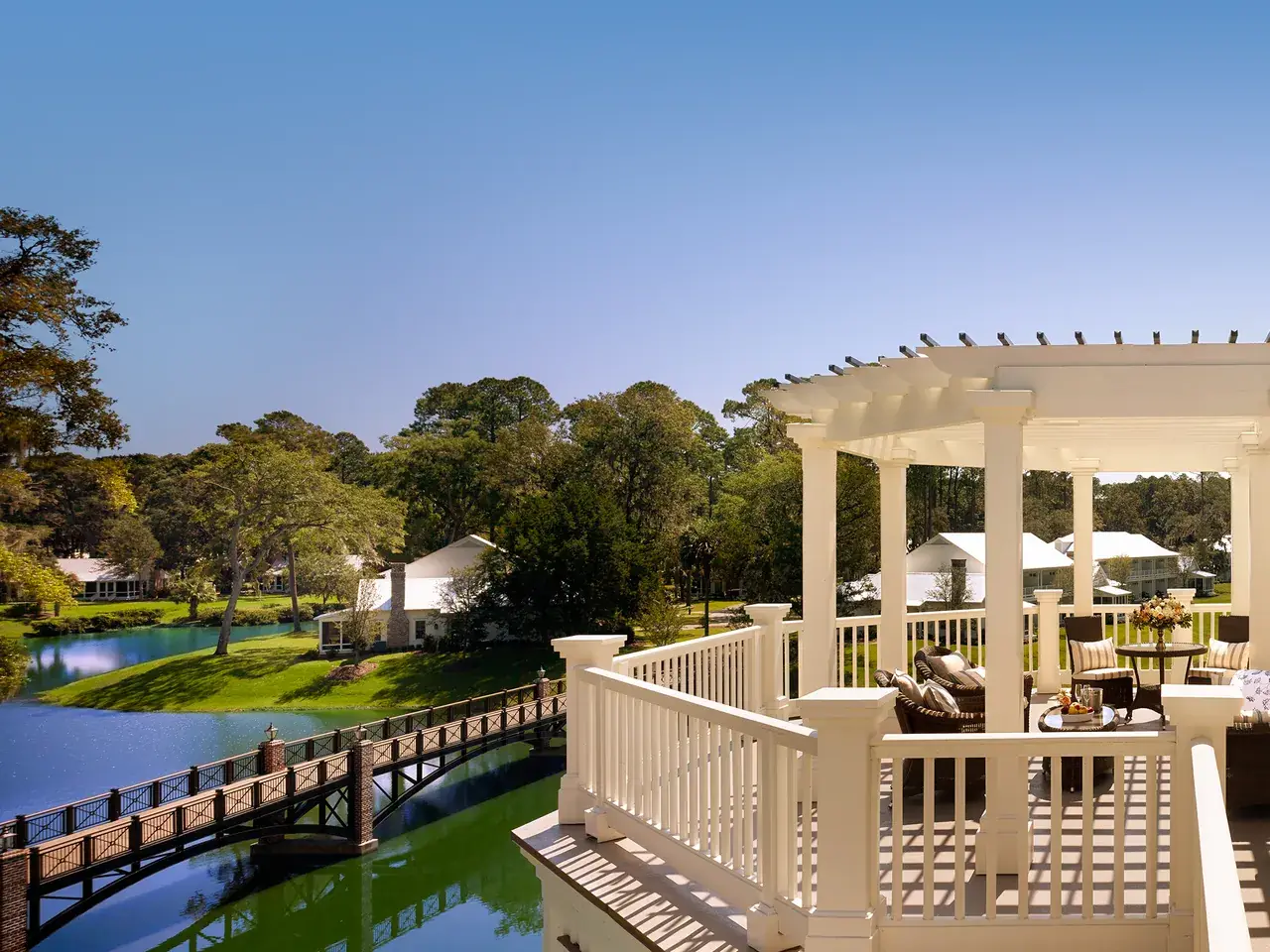
High-end coastal developments position structures behind protective dunes or natural rock breakwaters to mitigate storm surges. Covered pavilions, boardwalks, and stone seawalls create safe walking paths across changing tide levels.
Residential Cottage Privacy
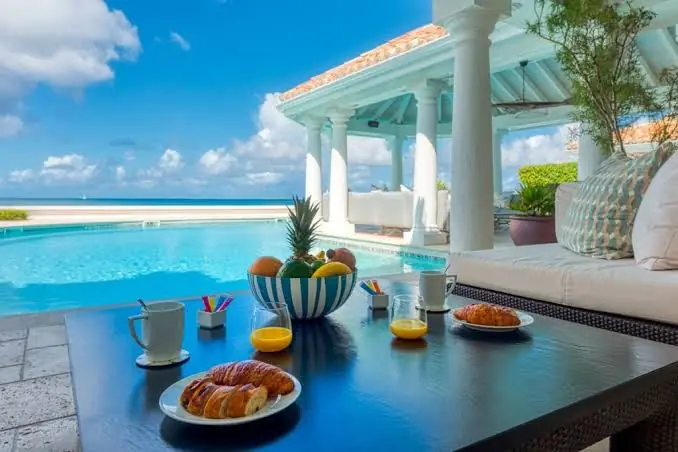
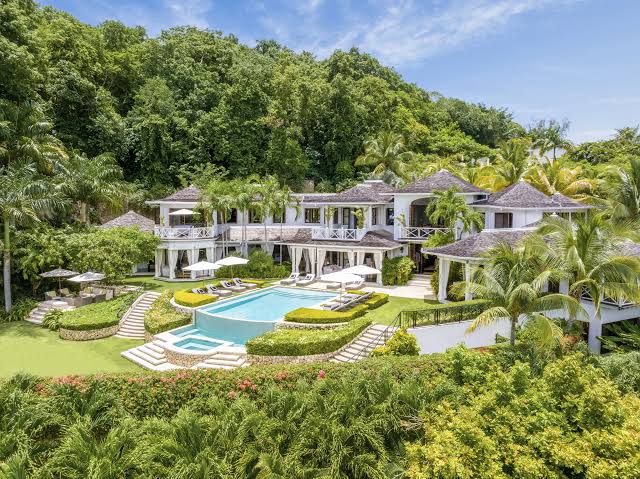
Premier coastal properties prioritize spread-out cottages, multi-bedroom beachfront villas, and private dock access. These multi-room layouts allow extended families to gather in central living areas while preserving quiet bedroom retreats.
Tides and Weather Programming
Leading destinations replace midday open-ocean activity with early morning kayak tours, sheltered bay paddleboarding, and evening tidepool explorations. These scheduled shifts keep guests active during safer water conditions.
Deep Contextual Background
The historical development of waterfront hospitality across North America reflects evolving coastal engineering, marine safety standards, and architectural design. Early twentieth-century coastal retreats, situated along Atlantic barrier islands or Great Lakes shores, operated as summer sanctuaries. These historic properties relied on timber boardwalks, expansive wrap-around porches, and natural ocean breezes to cool guests during humid summer months.
The Marina Engineering Era
Mid-twentieth-century maritime construction transformed coastal resort planning across the Atlantic, Gulf, and Pacific coastlines. Advanced concrete piers, floating docks, and mechanical boat launches allowed developers to build sprawling compounds featuring private marinas, deep-water slips, and aquatic sports centers.
Coastal Environmental Protection Directives
During the late 1980s, strict coastal zone management acts restricted wetland filling and artificial beach construction. Resort operators responded by restoring native sand dunes, establishing vegetative buffers, and installing floating dock networks that minimize impact on delicate marine ecosystems.
The Rise of Low-Density Coastal Eco-Villas
Modern family travelers favor environmental preservation, marine privacy, and authentic coastal experiences over massive concrete high-rises. Contemporary waterfront resorts emphasize standalone beach cottages that merge into surrounding shoreline environments, featuring private boat docks and panoramic ocean decks.
Conceptual Frameworks and Mental Models
Evaluating best waterfront family resorts united states requires structured decision models that weigh aquatic safety, geographic isolation, and multi-generational mobility needs.
1. The Waterfront Resort Evaluation Triad
This framework rates waterfront destinations across three core operational pillars: Aquatic Safety, Spatial Residential Autonomy, and Marine Activity Adaptability.
-
Aquatic Safety: Effectiveness of sheltered swim coves, gentle shoreline drop-offs, and professional lifeguard oversight.
-
Spatial Residential Autonomy: Availability of detached multi-bedroom cottages, private docks, and covered oceanfront porches.
-
Marine Activity Adaptability: Programmed resort water sports shifted according to tidal patterns and wind shifts.
Framework Limit: Isolated luxury coastal retreats with low room densities carry high nightly rates to cover marine infrastructure maintenance.
2. The Aquatic Microclimate Shift Index
This model calculates whether rapid shifts in water temperature, fog banks, and onshore winds disrupt outdoor family recreation.
Framework Limit: Sudden weather shifts feel more dramatic on northern Atlantic or Pacific shores, requiring families to pack layers.
3. The Shoreline Access Radius
This model tracks how easily young children and elderly family members can access sandy shores, boat docks, and dining pavilions from their rooms.
Framework Limit: Sprawling lake or ocean resorts offer great privacy, but wide distances between villas require frequent shuttle transfers.
Key Categories and Operational Variations
Waterfront family destinations across the United States vary considerably in water temperatures, wave conditions, and regional access logistics.
1. Atlantic Barrier Island Estates
Located along Georgia, South Carolina, and Florida coastlines, these destinations offer expansive sandy shores, warm ocean currents, and extensive golf or tennis clubs.
Families enjoy gentle surf, sea turtle nesting programs, and deep-water boat docks. Summer tropical weather risks represent the primary operational factor.
2. Pacific Ocean Cove Enclaves
Situated along Central California, Southern California, and Pacific Northwest shores, these resorts feature dramatic cliffside views, marine wildlife viewing, and temperate coastal weather.
Guests observe tidepools, go whale watching, and hike coastal trails. Colder ocean temperatures make heated pool complexes essential for young swimmers.
3. Subtropical Gulf Coast Sanctuaries
Positioned along Florida’s Gulf Shore and Texas coastal bays, these retreats offer tranquil turquoise waters, shallow sandbars, and exceptional shell collecting.
Properties focus on calm water paddleboarding, pontoon boat trips, and sunset beach dining. High summer humidity requires well-planned afternoon indoor downtime.
4. Alpine Inland Lake Retreats
Located across Lake Tahoe, the Adirondacks, and Pacific Northwest lakes, these properties feature clear freshwater, pine-scented mountain air, and private lake docks.
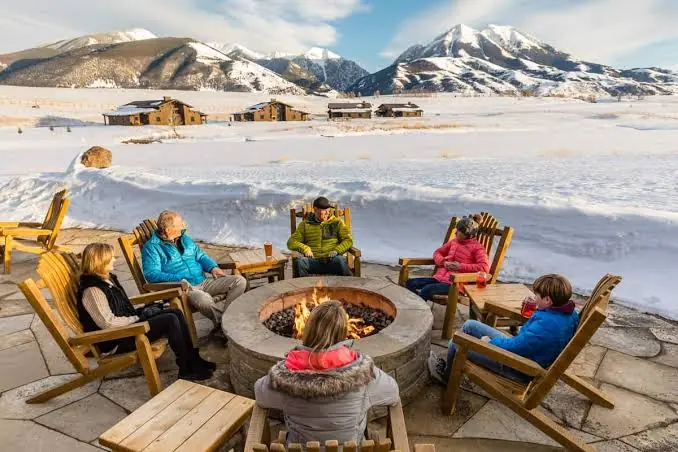
Resorts offer waterskiing, dock diving, and lakeside campfire traditions. The short summer season creates concentrated peak booking windows.
| Regional Coastal Category | Primary Access Route | Average Summer Water Temp | Signature Family Amenity | Main Operational Challenge |
| Atlantic Barrier Island | Regional Flight + Highway Drive | 78°F – 84°F | Tidal Creek Kayaking Camps | Late summer tropical storm threats |
| Pacific Ocean Cove | Major Airport + Scenic Highway | 58°F – 68°F | Guided Tidepool Marine Walks | Cold ocean water temperatures |
| Subtropical Gulf Coast | Regional Airport + Bridge Drive | 82°F – 88°F | Shallow Sandbar Pontoon Tours | High summer humidity levels |
| Alpine Inland Lake | Regional Airport + Mountain Drive | 62°F – 70°F | Private Dock Water Sports | Short 10-week summer peak window |
Strategic Regional Selection Logic
Selecting from best waterfront family resorts united states requires matching regional aquatic conditions with family needs:
Detailed Real-World Scenarios
Analyzing real travel scenarios demonstrates how marine weather patterns, tidal cycles, and cottage choices shape family vacation experiences.
Scenario 1: Multi-Generational Summer Trip to an Atlantic Barrier Island
-
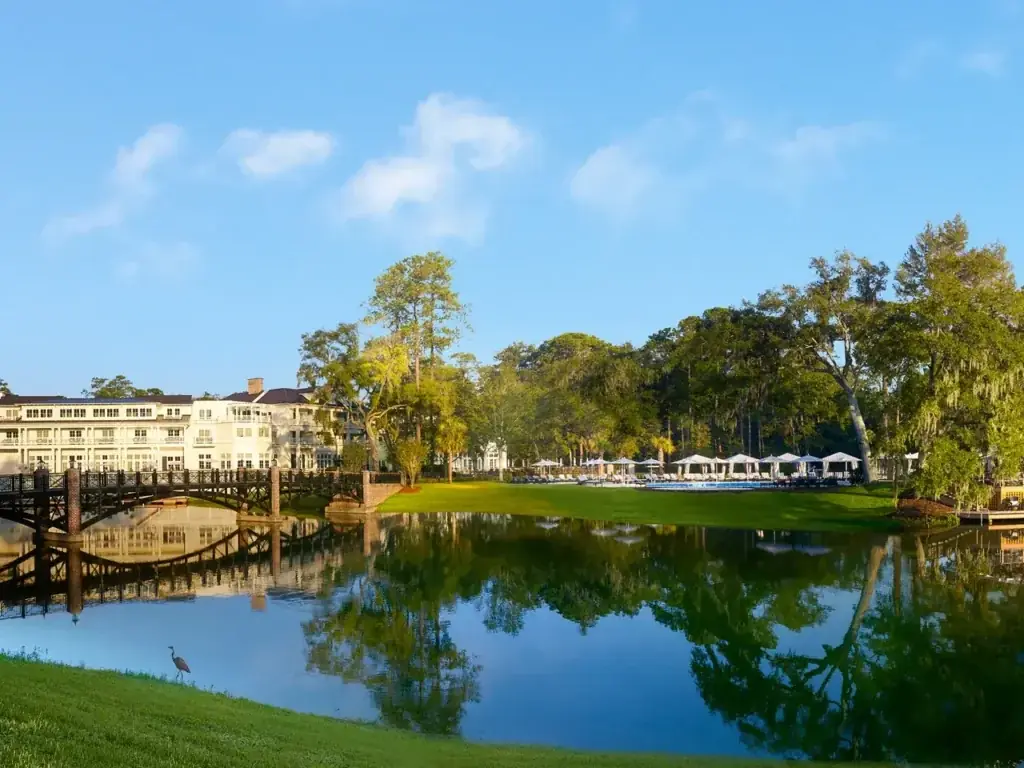
Context: A twelve-person family including grandparents, adult siblings, and five young children plans a July trip to Sea Island.
-
Constraints: Grandparents avoid midday beach humidity; toddlers need structured afternoon nap hours.
-
Selected Strategy: Multi-Bedroom Beachfront Compound with Private Pool.
-
Decision Points: The family reserves a five-bedroom oceanfront cottage featuring a covered porch and private plunge pool. They schedule beach play for early morning hours, retreat to shaded porches during midday heat, and gather for coastal dinners at dusk.
-
Failure Modes: Booking separate hotel rooms forces family members to search for shared shade on crowded public beaches.
-
Second-Order Effects: Private cottage space allows adults to relax comfortably on shaded porches while toddlers sleep inside.
Scenario 2: Active Teenager Getaway to a Lake Tahoe Alpine Resort
-
Context: Parents traveling with two active teenagers (ages 13 and 16) head to Lake Tahoe for August break.
-
Constraints: Teenagers dislike passive beach days; parents want high-end spa services and private boat access.
-
Selected Strategy: Lakeside Lodge with Private Marina Charter.
-
Decision Points: The family books an alpine lodge that includes private boat slips. Teenagers participate in morning wakeboarding and jet-skiing while parents enjoy spa treatments, reuniting for afternoon catamaran cruises.
-
Failure Modes: Selecting a lake resort without private boat access leads to long waits at commercial public marinas.
-
Second-Order Effects: Private marine excursions build water sports skills while giving parents time to relax independently.
Scenario 3: Toddler Vacation to a Gulf Coast Beach Sanctuary
-
Context: A family with a 2-year-old and a 4-year-old seeks a safe, calm-water beach vacation.
-
Constraints: Large ocean waves startle young children; long walks across hot sand cause toddler meltdowns.
-
Selected Strategy: Low-Density Gulf Resort with Ground-Floor Beach Suites.
-
Decision Points: Parents select a resort featuring ground-floor suites opening onto a protected bay cove. Reserved shaded beach cabanas allow kids to build sandcastles safely out of direct sun, while nearby kitchenettes keep snacks accessible.
-
Failure Modes: Staying at a high-rise resort requires long elevator rides and hot walks across parking lots.
-
Second-Order Effects: Direct beach access protects daily nap schedules while minimizing gear transport hassle.
Planning, Cost, and Resource Dynamics
Budgeting for top coastal vacations requires accounting for private cabana rentals, marina dock fees, and guided water charters alongside base room rates.
High-Season Pricing Shifts
Waterfront resorts experience pronounced demand spikes driven by water temperatures and regional weather patterns. Atlantic and Alpine Lake properties charge top rates during summer months, while Florida Gulf retreats peak during winter and spring.
Private Marine Charter Costs
Exploring coastal estuaries and deep-water lakes safely often requires hiring professional boat captains. Charter trips like deep-sea fishing, pontoon cruises, and wakeboarding lessons add noticeable costs to overall trip budgets.
Premium Coastal Infrastructure Surcharges
Maintaining marine docks, seawalls, and private beach areas in saltwater environments increases resort operational overhead. These maintenance expenses appear as daily resort fees and service surcharges.
| Waterfront Category | Nightly Villa Rate (Peak) | Private Boat Charter Cost | Daily Cabana Fee | Optimal Travel Window |
| Atlantic Barrier Island | $1,400 – $3,200 | $600 – $1,400 / half-day | $200 – $500 / day | May through October |
| Pacific Ocean Cove | $1,200 – $2,900 | $500 – $1,200 / half-day | $150 – $400 / day | June through September |
| Subtropical Gulf Coast | $950 – $2,200 | $400 – $900 / half-day | $150 – $350 / day | October through May |
| Alpine Inland Lake | $1,300 – $3,500 | $700 – $1,600 / day | $100 – $300 / day | June through September |
Tools, Strategies, and Support Systems
Planning a smooth coastal vacation relies on marine weather apps, water safety planning, and pre-arranged resort activity bookings.
1. Tide Table and Marine Weather Applications
Monitoring real-time tide schedules, surf heights, and wind directions helps parents plan safe water sports and tidepool exploration for young children.
2. Ocean and Lake Water Safety Planning
Checking water clarity advisories, marine life warnings, and lifeguard station locations ensures child safety during open-water swimming.
3. Pre-Arrival Concierge Marina Reservations
Reserving private boat charters, dock slips, and beach cabanas weeks ahead guarantees access during busy holiday seasons.
Risk Landscape and Failure Modes
Waterfront family vacations present unique environmental, physical, and logistical risks that require proactive planning and active management.
1. Rip Current Hazards
Unpredictable ocean currents can sweep swimmers away from shore quickly. Always swim near designated lifeguard towers, inspect daily surf condition flags, and educate family members on rip current safety before entering open water.
2. Sudden Coastal Weather Shifts
Squalls, sea fog, and sudden wind shifts can disrupt boating and beach activities. Always check marine radar updates before taking small watercraft onto open ocean or lake waters with children.
3. Marine Wildlife Encounters
Jellyfish blooms, stingrays, and sea urchins present minor health hazards in warm ocean waters. Wearing protective water shoes and shuffling feet along shallow sandbars minimizes injury risks for young kids.
Governance, Maintenance, and Long-Term Adaptation
Evaluating your waterfront resort stay helps you make smarter choices when planning future family trips to marine environments.
Post-Trip Evaluation Checklist
Review these key questions after returning from a waterfront resort stay:
-
Did the property’s sheltered coves and lifeguards keep young swimmers safe throughout the vacation?
-
Did cottage sleeping arrangements offer enough quiet privacy and space for all generations?
-
Were water activities scheduled to match favorable tide and wind conditions?
-
Did on-site dining venues accommodate family preferences without long off-property trips?
-
Did marine adventure programs engage teenagers safely while giving adults time to relax?
Measurement, Tracking, and Evaluation
Evaluating vacation success involves balancing financial value with qualitative family satisfaction and rest metrics.
Qualitative Metrics
-
Aquatic Safety Assurance: Minimal worry or physical fatigue experienced while supervising water recreation.
-
Youth Engagement: Active child participation in sailing camps, tidepool walks, and dock activities.
-
Rest Quality: Consistently restful sleep delivered by quiet beachfront cottages and effective air conditioning.
Quantitative Metrics
-
Ancillary Fee Tracking: Keeping cabana rentals, marina dock fees, and resort surcharges within planned limits.
-
Accommodation Efficiency: Optimizing per-bedroom costs by selecting multi-room beach cottages over separate hotel rooms.
-
Charter Value: Measuring the quality and safety delivered by private boat captains relative to overall charter costs.
Common Misconceptions and Oversimplifications
1. “Ocean Waterfront Resorts Are Always Ideal for Young Kids”
Heavy surf breaks, rip currents, and sudden drop-offs make open ocean beaches challenging for toddlers. Seeking sheltered bays or calm lake shorelines offers a safer environment for young swimmers.
2. “Lake Resorts Offer Fewer Activities Than Ocean Properties”
Premier alpine lake destinations feature wakeboarding, parasailing, private boat rentals, lakeside campfires, and mountain hiking trails that rival coastal offerings.
3. “You Spend Every Day on the Sand”
High humidity, midday sun, and windy afternoon weather mean families balance beach hours with pool swimming, spa visits, and shaded dock activities.
Ethical, Practical, and Contextual Considerations
Choosing sustainable waterfront resorts helps protect fragile marine ecosystems and preserves natural shorelines. Leading properties invest in dune protection projects, reef-safe sunscreen policies, native marshland restoration, and sustainable seafood sourcing.
Supporting eco-conscious waterfront properties preserves delicate coastal habitats, protects marine wildlife, and sustains historic fishing communities for future generations to enjoy.
Strategic Conclusion
Finding the best waterfront family resorts united states requires evaluating regional water conditions, marine safety standards, and multi-room cottage layouts. Understanding how coastal properties manage tides, waves, and sun exposure allows families to select resorts that blend natural marine beauty with high-end operational safety.
Matching coastal environments to your family’s needs, managing water activity schedules thoughtfully, and selecting spacious beachfront cottages transforms standard summer vacations into memorable multi-generational coastal retreats.