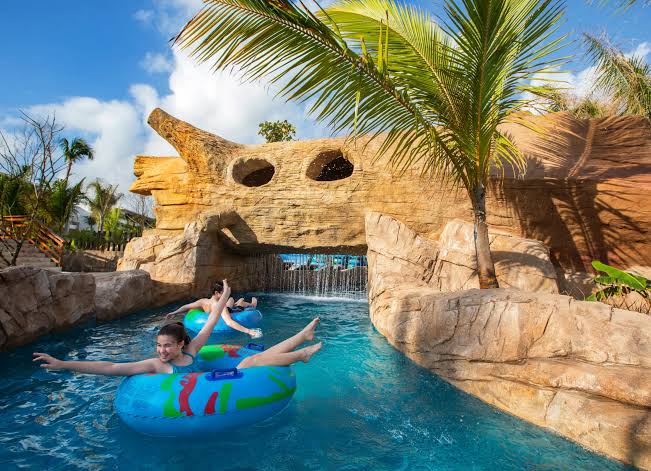
Top Tropical Family Resorts in America | Definitive Selection Guide
Evaluating coastal hospitality properties across domestic tropical zones requires a systematic analysis of waterfront safety, seasonal microclimates, and resort infrastructure. Vacation planners frequently encounter polished marketing photography that conceals operational challenges such as overcrowded pool decks, hazardous ocean surf conditions, and deferred facility maintenance. Real resort value relies on well-managed aquatic facilities, verified youth programming, and well-designed residential layouts.
Managing family travel across diverse age brackets presents complex operational demands. Toddlers require zero-entry swimming pools, sheltered lagoon beaches, and quiet suite quarters for afternoon routines. Teenagers demand high-energy water sports, modern gaming lounges, and supervised eco-adventure tours. Adult family members seek peaceful beach zones, accessible marina slips, full-service wellness centers, and fine dining options.
The commercial tropical resort sector uses tiered pricing models and resort fee structures that hide significant secondary costs. Property operators often promote flagship natural settings while restricting pool deck seating, capping youth club reservations, and charging steep rental fees for basic cabanas. Travelers who evaluate operational capacity through rigorous audits avoid overcrowded beaches, unstaffed waterfronts, and unexpected folio surcharges.
This analytical review examines tropical resort selection, waterfront safety verification, and strategic itinerary planning. By reviewing property categories, operational metrics, cost structures, and risk profiles, vacation planners can secure safe, high-value destinations for any family stay.
Top tropical family resorts in america
Defining Operational Quality and Coastal Infrastructure
Evaluating the top tropical family resorts in america requires going beyond promotional brochures to examine physical facility conditions and environmental safety. High operational value depends on clear coastal waters, maintained pool filtration systems, and certified waterfront safety teams.
Core Operational Perspectives
Evaluating tropical family resorts involves reviewing three primary structural angles:
-
The Coastal Hydrology Perspective: Assessing ocean swell exposure, tidal currents, reef protection levels, and seasonal water temperatures.
-
The Aquatic Facility Perspective: Inspecting pool deck space ratios, water park filtration standards, zero-entry lagoon design, and slide safety protocols.
-
The Multi-Generational Residential Perspective: Measuring room proximity to central dining hubs, sound insulation between family suites, and pedestrian path accessibility.
Common Misunderstandings and Risk Factors
Assuming Domestic Tropical Destinations Lack Island Infrastructure
A common error involves assuming domestic tropical destinations in Florida or Hawaii offer fewer resort amenities than international islands. Domestic properties operate under strict safety standards, public health regulations, and advanced emergency medical access.
Conflating Resort Acreage with Usable Beach Area
Another frequent oversight assumes large property acreage guarantees extensive beach access. Rocky shorelines, protected mangrove estuaries, and private marina docks often limit actual swimming areas to small, crowded sandy coves.
Historical Context and Industry Evolution
The Evolution of Domestic Tropical Hospitality
American tropical family tourism expanded rapidly during the mid-twentieth century as commercial aviation connected the continental United States with Hawaii, Puerto Rico, and the Florida Keys. Early coastal properties provided basic beach access, simple motor-lodge accommodations, and modest outdoor swimming pools.
Transition to Integrated Destination Resorts
During the late twentieth century, major hotel brands built integrated mega-resorts designed specifically for family leisure travel. These properties featured multi-acre water park networks, lazy rivers, interactive marine lagoons, and dedicated youth activity centers.
Modern developments prioritize sustainable coastal management, culturally immersive youth education, and expansive multi-bedroom villa accommodations. Today’s properties balance environmental conservation with high-end family amenities.
Conceptual Frameworks and Mental Models
The Pool Deck Spatial Load Model
This mathematical model evaluates guest comfort by calculating usable pool deck square footage relative to total resort room capacity. Low deck space ratios result in severe lounge chair competition, crowded swimming areas, and reduced relaxation quality.
The Coastal Swell and Safety Matrix
This framework tracks ocean beach usability across changing seasonal weather patterns, tidal variations, and offshore reef conditions.
The Youth Program Operational Triad
This framework measures youth activity depth across three core operational pillars:
Staff Certification Standards
Presence of certified early childhood educators, CPR-trained counselors, and professional aquatic instructors.
Spatial Segmentation Depth
Dedicated physical facilities designed specifically for distinct age groups, including toddlers, young children, and teenagers.
Cultural and Environmental Integration
Educational programs focusing on local marine biology, island ecology, and traditional regional history.
Primary Categories and Operational Variations

Tropical Resort Model Comparison
Different property categories manage coastal land, aquatic assets, and family services using distinct business structures.
Oceanfront Integrated Mega-Resorts
Large-scale coastal properties featuring expansive water parks, multiple dining venues, and direct access to public ocean beaches.
-
Key Advantages: High recreational variety, extensive dining choices, and professional youth programming.
-
Operational Trade-offs: Heavy crowd density, long elevator wait times, and high resort fee structures.
Protected Lagoon Resorts
Properties situated along calm, reef-protected coves or man-made barrier lagoons designed specifically for safe ocean swimming.
-
Key Advantages: Exceptional water safety for young children, calm paddleboarding, and easy beach wading.
-
Operational Trade-offs: Smaller natural beach footprints and reduced open-ocean wave action for adult surfers.
Eco-Island Sanctuaries
Secluded resorts set within national park boundaries or wildlife reserves, focusing on nature education and outdoor adventure.
-
Key Advantages: Low crowd density, undisturbed natural surroundings, and quiet evening environments.
-
Operational Trade-offs: Limited commercial entertainment options, longer airport transit times, and higher grocery costs.
Residential Villa Properties
Multi-bedroom condominium or villa developments offering fully equipped kitchens, private laundries, and spacious living quarters.
-
Key Advantages: Excellent space efficiency for large multi-generational families, in-suite meal preparation, and lower dining expenses.
-
Operational Trade-offs: Fewer centralized resort amenities, limited daily housekeeping, and smaller public pool decks.
Decision Architecture for Property Selection
Utilize this structured evaluation process when selecting tropical family destinations:
Evaluate Ocean Safety Requirements
Determine whether young family members require enclosed lagoon waters or can safely navigate open-ocean wave entry.
Audit In-Room Space Demands
Assess whether your family group requires connected suites, full kitchens, or separate living rooms for extended stays.
Verify Youth Club Operating Hours
Confirm whether youth activity centers operate full-day sessions or require hourly reservations during peak travel weeks.
Detailed Real-World Vacation Scenarios
Scenario 1: High Ocean Swell at an Unprotected Beach Property
Context
A family with two young children books a beachfront suite at an open-ocean coastal resort during the winter season.
Operational Constraints
Heavy winter swells generate dangerous shorebreak conditions and strong rip currents along the open beach front.
Decision Strategy
The family relies on spring marketing photos depicting calm, crystal-clear ocean swimming conditions.
Failure Mode Encountered
Red flags fly on the beach daily, closing the ocean to swimming and forcing all guests onto the pool deck.
Second-Order Effects
The main pool deck becomes severely overcrowded, forcing the family to search for lounge chairs at 7:00 AM daily.
Scenario 2: Overbooked Youth Clubs at a Mega-Resort
Context
Parents reserve a stay at a 1,000-room tropical resort featuring an advertised “award-winning kids’ club.”
Operational Constraints
The youth club limits counselor-to-child ratios to maintain safety, capping total daily enrollment at fifty children.
Decision Strategy
The parents wait until arriving on property to enroll their children in daily morning activity sessions.
Failure Mode Encountered
All youth sessions are fully booked for the entire week by guests who reserved slots months in advance.
Second-Order Effects
Parents must alter their schedules to provide constant childcare, missing pre-booked spa appointments and adult dining reservations.
Scenario 3: Heavy Secondary Fees at an Island Destination
Context
A multi-generational family books three standard hotel rooms based on an appealing nightly room rate.
Operational Constraints
The resort assesses mandatory daily resort fees, parking surcharges, cabana rental fees, and automatic gratuities.
Decision Strategy
The family fails to audit itemized secondary fees during their initial booking process.
Failure Mode Encountered
Daily resort fees, valets, and pool charges add $220 per room per night to the final room account.
Second-Order Effects
The family exceeds their vacation budget mid-stay, forcing them to reduce off-property dining and eco-tours.
Scenario 4: Noise Friction in High-Density Family Towers
Context
Family members traveling with an infant reserve an oceanfront room located directly above the main resort pool deck.
Operational Constraints
The central pool deck hosts loud daily DJ music, pool games, and evening entertainment until 10:00 PM.
Decision Strategy
The parents accept a standard room assignment without reviewing building noise buffer zones.
Failure Mode Encountered
Constant poolside music disrupts infant nap schedules, leading to sleep deprivation and family stress.
Second-Order Effects
The family requests a mid-stay room transfer, losing their ocean view and spending hours moving luggage.
Planning, Cost, and Resource Dynamics
Direct and Indirect Financial Structure
Selecting tropical family resorts requires evaluating full vacation budgets against baseline advertised room rates.
Uncovering Hidden Property Expenses
Mandatory Resort Surcharges
Daily charges added to standard room rates to cover basic amenities like beach towels, Wi-Fi, and fitness center entry.
Pool Deck Seating Surcharges
Prime shaded seats and poolside cabanas often require expensive daily rental fees during peak holiday weeks.
High Dining and Beverage Markups
On-site resort restaurants and poolside grills frequently charge 40% above off-property regional dining rates.
Off-Site Activity Transportation
Costs associated with renting rental vehicles or arranging private shuttles to explore regional island attractions.
Opportunity Cost Balance
Choosing a villa property with a full kitchen increases initial lodging costs but significantly reduces daily dining expenses. Vacation planners should balance higher room tariffs against the savings of preparing family meals in-suite.
Tools, Strategies, and Support Systems
Essential Verification Systems
Utilizing dedicated verification tools enables planners to audit resort infrastructure before placing non-refundable deposits:
Satellite Aerial Deck Audits
Review recent satellite photography to measure usable pool deck space relative to room tower sizes.
Seasonal Coastal Weather Portals
Check marine weather databases for historic water temperatures, ocean swell cycles, and rainfall averages.
Direct Concierge Phone Verification
Call resort front desks directly 48 hours before booking to confirm youth club availability and pool maintenance schedules.
Tide and Current Tracking Applications
Utilize marine navigation apps to evaluate daily tidal swings and current hazards along resort beaches.
Strategic Reservation Methods
Reserving tropical stays eight to twelve months ahead secures multi-bedroom family suites near quiet lagoon bays. Communicating room location preferences early allows resort staff to assign rooms far from noisy pool speakers.
Performing an immediate room inspection upon check-in ensures air conditioning units, balcony locks, and cribs function properly.
Risk Landscape and Failure Modes
Taxonomy of Tropical Resort Hazards
Identifying environmental and operational failure points protects families from compromised safety during coastal stays.
Coastal Hazards
High shorebreak swells, seasonal jellyfish shifts, and strong offshore rip currents.
Operational Bottlenecks
Overbooked youth clubs, severe pool deck chair shortages, and long dining wait times.
Health Risks
Intense tropical UV exposure, heat exhaustion, and localized pool water filtration issues.
Risk Mitigation Strategies
Deploy targeted safeguards to handle unexpected resort disruptions effectively:
Pre-Reserve Youth Activities
Secure youth club slots during initial room booking rather than waiting until check-in.
Pack Certified Sun Protection
Equip young children with long-sleeve UPF 50+ rashguards and wide-brimmed sun hats to prevent severe sunburns.
Request Room Location Confirmations
Confirm quiet building assignments in writing to ensure restful sleep environments for young children.
Governance, Maintenance, and Long-Term Adaptation
Family Planning Structure
Managing tropical vacation logistics benefits from assigning specific responsibilities among adult family members.
Daily Itinerary Adjustments
Adjust daily family schedules based on real-time weather conditions and sun exposure levels:
-
Early Morning Beach Hours: Utilize early morning hours for ocean swimming when winds remain calm and UV exposure is low.
-
Mid-Day Shade Transitions: Move children to shaded indoor centers or room suites between 11:30 AM and 2:30 PM.
-
Late Afternoon Pool Sessions: Return to resort pools in the late afternoon when UV intensity decreases significantly.
Comprehensive Vacation Checklists
Maintain control over vacation quality using these practical verification checklists:
Pre-Booking Research Phase
-
Review satellite imagery to measure pool deck space and usable beach footprint.
-
Check marine databases for water temperature trends and seasonal wave conditions.
-
Confirm youth club age restrictions, enrollment limits, and operating hours.
-
Request an itemized list of daily resort fees, parking surcharges, and tax rates.
Pre-Departure Phase
-
Reserve youth activity slots, cabana rentals, and specialty dining times.
-
Confirm airport transportation details and infant car seat availability.
-
Pack certified UPF 50+ sun gear, swim diapers, and specialized water shoes.
-
Confirm room assignments are located far from noisy entertainment stages.
On-Site Inspection Phase
-
Inspect room balcony locks, air conditioning efficiency, and infant crib safety.
-
Check pool deck safety signage, lifeguard stationing, and zero-entry filtration.
-
Verify ocean hazard flags and discuss current sea conditions with beach attendants.
-
Review room folios mid-stay to ensure secondary charges match quoted rates.
Measurement, Tracking, and Evaluation
Quantitative vs. Qualitative Tracking Metrics
Track resort quality using concrete operational measures alongside personal satisfaction ratings.
Quantitative Metrics
-
Spatial Load Ratio: Calculating usable pool deck square footage relative to total room inventory.
-
Counselor-to-Child Ratios: Measuring staff supervision levels within structured youth activity clubs.
Qualitative Signals
-
Ocean Wading Safety: Assessing parent comfort levels while swimming in front-of-property ocean waters.
-
Rest Quality Index: Evaluating sleep quality based on room soundproofing and building noise levels.
Property Evaluation Logs
Keeping property records helps families refine future tropical vacation choices and resort selections.
Common Misconceptions and Oversimplifications
Myth 1: “All Tropical Resorts Include Complimentary Youth Clubs”
-
Correction: Many luxury properties charge hourly or half-day fees for kids’ club access, requiring advance reservations.
Myth 2: “A Oceanfront Room Guarantees a Quiet View”
-
Correction: Oceanfront rooms situated above central pool decks often experience high noise levels from live entertainment and DJ speakers.
Myth 3: “Domestic Tropical Beaches Are All Ideal for Swimming”
-
Correction: Strong tides, steep shorebreaks, and sharp coral reefs make many beachfront zones unsafe for casual wading.
Myth 4: “Resort Fees Cover All On-Site Amenities”
-
Correction: Daily resort fees rarely cover premium pool chairs, water sport rentals, parking, or specialized fitness classes.
Myth 5: “Villa Properties Offer Fewer Amenities Than Standard Hotels”
-
Correction: Modern villa complexes frequently share access with adjacent full-service resort amenities while providing larger living spaces.
Myth 6: “Winter Is Always the Best Time for Tropical Family Vacations”
-
Correction: Winter months bring high ocean swells and cooler sea temperatures to northern-facing beaches in destinations like Hawaii.
Practical and Ethical Considerations
Supporting Coastal Ecosystem Protection
Tropical resorts operate adjacent to fragile marine environments, including coral reefs, sea turtle nesting sites, and mangrove estuaries. Guest families should wear reef-safe mineral sunscreens containing zinc oxide to prevent chemical damage to coral reefs. Respecting marked dune areas and avoiding single-use plastics helps preserve coastal wildlife habitats.
Cultural Respect and Community Engagement
Domestic tropical destinations possess rich cultural histories and vibrant local communities. Engaging respectfully with local traditions, supporting regional small businesses, and learning about indigenous environmental practices enriches family travel experiences while supporting local economies.
Final Analytical Summary
Identifying top tropical family resorts in america requires evaluating physical pool deck space, ocean safety profiles, and transparent fee structures. By reviewing spatial load metrics, youth counselor ratios, and coastal swell protection, vacation planners can select properties that deliver superior family experiences.
Strategic advance booking, early youth club reservations, and careful property audits guarantee a rewarding, stress-free tropical vacation for every generation.