Luxury Family Desert Destinations USA: An Operational Analysis
Desert environments present distinct operational realities that separate high-end hospitality from standard seasonal leisure retreats. Arid landscapes enforce strict physical constraints, requiring resorts to engineer thermal comfort, manage water infrastructure, and provide sheltered residential environments. When families travel to these regions, daily itineraries must adapt to dramatic diurnal temperature shifts, intense solar exposure, and vast spatial distances.
Evaluating upscale desert enclaves requires looking past superficial luxury aesthetics like infinity edge pools or whitewashed adobe walls. Authentic operational quality in arid regions rests on architectural micro-zoning, active hydration support systems, and multi-generational spatial design. Premium properties integrate native topography to block harsh valley winds while capturing natural shade vectors during peak thermal hours.
Arid North American regions span diverse topographies, from high-altitude plateau basins to low-elevation desert valleys. Each zone features unique seasonal weather windows, access logistics, and ecological landscapes. Selecting an appropriate resort requires analyzing how well a property’s built environment mitigates extreme ambient temperatures while keeping children, parents, and grandparents safely engaged.
Luxury Family Desert Destinations USA
Evaluating luxury family desert destinations usa requires examining how physical isolation, extreme temperature swings, and multi-generational space intersect within hospitality design. Standard mainland resorts often label themselves as desert sanctuaries simply because they occupy dry inland valleys. Genuine luxury desert properties build self-sustaining ecosystems that manage extreme heat, provide private water infrastructure, and maintain consistent white-glove service hours away from urban supply chains.
Understanding what elevates a desert resort involves analyzing its spatial layout and microclimate design. Superior desert properties separate high-energy youth pools and active equestrian centers from quiet residential sleeping casitas. This spatial separation lets teenagers participate in afternoon outdoor activities while younger children nap comfortably in climate-controlled indoor spaces.
Architectural Shade Mitigation
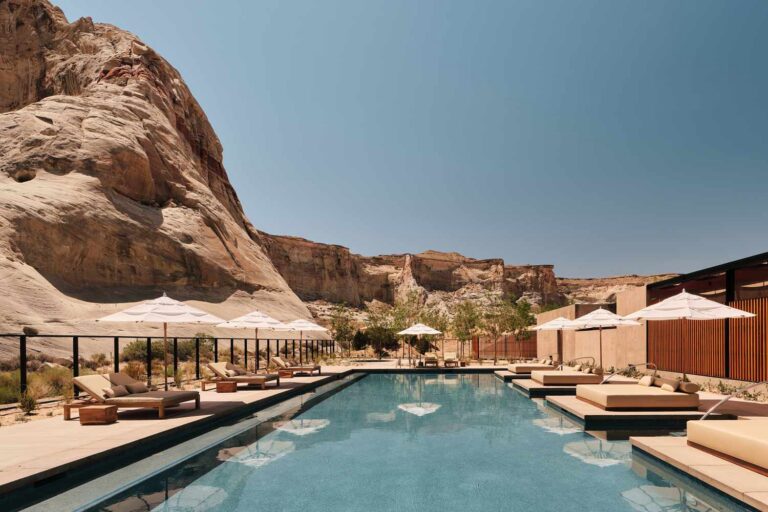
High-end desert developments position buildings to maximize natural mountain shadows and reduce direct solar radiation. Deeply recessed windows, covered porticos, and stone courtyards lower ambient temperatures across public walking paths.
Residential Casita Privacy
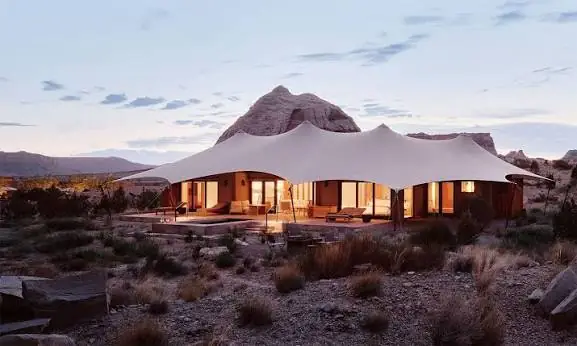
Premier desert properties prioritize spread-out casitas, multi-bedroom residential villas, and private plunge pools. These generous layouts allow extended families to share central living spaces while preserving quiet, cooler bedroom retreats.
Nocturnal and Crepuscular Programming
Leading destinations replace midday sun exposure with early morning canyon hikes, twilight horseback rides, and high-powered stargazing sessions. These scheduled activities keep guests active during safer, cooler hours of the day.
Deep Contextual Background
The development of luxury desert hospitality across the American Southwest reflects changing water engineering, climate control technology, and architectural traditions. Early twentieth-century desert retreats, located near natural springs or low-elevation oases, operated as winter health sanatoriums. These historic properties relied on thick adobe walls, shaded sleeping porches, and passive evaporation to provide basic relief from desert heat.
The Air Conditioning Era
Mid-twentieth-century residential air conditioning revolutionized desert tourism across Arizona, California, and Nevada. Advanced climate systems allowed developers to build expansive resort compounds with private pools, lush golf courses, and year-round family amenities.
Environmental Water Conservation Mandates
During the late 1990s, strict groundwater protection laws restricted artificial lakes and water-intensive landscapes. Resort operators responded by embracing indigenous xeriscaping, drought-tolerant flora, and recycled water filtration networks.
The Rise of High-Plateau Eco-Sanctuaries
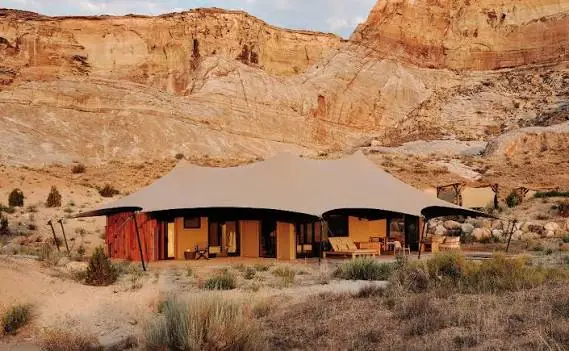
Modern luxury family travel favors environmental integration, architectural privacy, and immersive nature experiences over artificial lawns. Contemporary desert resorts emphasize standalone stone casitas that blend into surrounding red-rock canyons, featuring private plunge pools and dark-sky stargazing decks.
Conceptual Frameworks and Mental Models
Selecting premium desert destinations requires structured decision models that balance solar risk, geographic isolation, and family mobility limits.
1. The Desert Resort Evaluation Triad
This framework rates desert destinations across three core operational pillars: Thermal Mitigation, Spatial Residential Autonomy, and Crepuscular Schedule Adaptability.
-
Thermal Mitigation: Effectiveness of shaded walkways, cooled indoor corridors, and passive building orientation.
-
Spatial Residential Autonomy: Availability of detached multi-room casitas, private plunge pools, and covered patios.
-
Crepuscular Schedule Adaptability: Programmed resort activities shifted to early morning and late evening hours.
Framework Limit: Isolated luxury desert enclaves with low building densities carry high room rates to support remote utility networks.
2. The Diurnal Temperature Swing Index
This model calculates whether rapid shifts between scorching afternoon heat and chilly desert nights disrupt family comfort.
Framework Limit: Diurnal swings feel more severe at high-elevation desert plateaus, requiring families to pack both summer and winter clothing.
3. The On-Property Hydration Radius
This model tracks how easily children and elderly relatives can access shaded seating, water stations, and climate-controlled indoor spaces while walking across the property.
Framework Limit: Expansive desert resorts offer complete privacy, but wide distances between casitas require frequent golf cart shuttles.
Key Categories and Operational Variations
Desert family destinations across the United States vary considerably in altitude, surrounding plant life, and regional travel logistics.
1. Low-Elevation Sonoran Valleys
Located across Scottsdale, Paradise Valley, and Greater Palm Springs, these desert resorts offer lush palm oases, world-class golf courses, and gentle winter temperatures.
Families enjoy extensive pool networks, tennis academies, and easy access to international airports. Extreme summer heat remains the main operational constraint.
2. High-Altitude Colorado Plateau Canyons
Spanning Southern Utah, Northern Arizona, and New Mexico, these canyon destinations feature dramatic red-rock views, ancient ruins, and pleasant summer temperatures.
Guests explore slot canyons, ride horses, and visit national parks. High elevations can cause mild altitude fatigue for some travelers.
3. Subtropical Mojave and Chihuahuan Basins
Situated across Greater Palm Springs, Texas Hill Country deserts, and West Texas basins, these properties offer thermal hot springs, dark-sky reserves, and unique desert plant life.
Resorts focus on wellness spas, guided nature walks, and stargazing sessions. High spring winds can occasionally limit outdoor afternoon activities.
| Regional Desert Category | Primary Transit Mode | Typical Summer High | Signature Family Amenity | Main Operational Challenge |
| Low Sonoran Valley | Commercial Flight + Rental Car | 104°F – 115°F | Splash Parks & Tennis Camps | Extreme summer afternoon heat |
| High Colorado Plateau | Flight + Scenic Highway Drive | 85°F – 95°F | Guided Slot Canyon Treks | High elevation altitude adaptation |
| Mojave Oasis Enclave | Regional Flight or Highway Drive | 98°F – 108°F | Thermal Mineral Springs | High afternoon wind gusts |
| Chihuahuan Red-Rock Basin | Regional Airport + Shuttle | 92°F – 102°F | Dark-Sky Astronomy Labs | Long ground transport distances |
Strategic Regional Selection Logic
Selecting from luxury family desert destinations usa requires matching regional climate patterns with specific family needs:
Detailed Real-World Scenarios
Analyzing real travel scenarios demonstrates how desert logistics, weather patterns, and casita choices shape family vacation experiences.
Scenario 1: Multi-Generational Spring Trip to a Sonoran Desert Resort
-
Context: A ten-person family including grandparents, adult siblings, and four young children plans an April getaway to Scottsdale.
-
Constraints: Grandparents avoid direct afternoon sun; young children require daily quiet nap times.
-
Selected Strategy: Multi-Bedroom Residential Casita Compound.
-
Decision Points: The family reserves a detached three-bedroom casita with a covered patio and private plunge pool. They schedule swimming for early morning hours, retreat indoors during mid-afternoon heat, and gather for outdoor family dinners at sunset.
-
Failure Modes: Booking standard hotel rooms forces family members to wait in sunny public pool areas without shade.
-
Second-Order Effects: Private casita space allows adults to relax comfortably on shaded patios while toddlers nap inside.
Scenario 2: Active Teenager Trip to a Southern Utah Canyon Resort
-
Context: Parents traveling with two active teenagers (ages 14 and 16) head to Southern Utah for October break.
-
Constraints: Teenagers dislike slow resort days; parents want high-end spa services and private canyon views.
-
Selected Strategy: High-Plateau Luxury Lodge with Adventure Guides.
-
Decision Points: The family books an eco-lodge that includes private canyon guides. Teenagers participate in morning rock climbing and via ferrata courses while parents enjoy spa treatments, reuniting for afternoon e-bike tours.
-
Failure Modes: Selecting a golf resort with no outdoor adventure programs leaves teenagers bored.
-
Second-Order Effects: Guided canyon excursions build outdoor skills while giving parents time to unwind independently.
Scenario 3: Toddler Vacation to a Palm Springs Desert Oasis
-
Context: A family with a 2-year-old and a 4-year-old seeks a relaxed winter sun vacation.
-
Constraints: Heavy sun exposure damages sensitive skin; long walks across sprawling grounds cause toddler meltdowns.
-
Selected Strategy: Compact Boutique Desert Oasis with Shaded Pool Cabanas.
-
Decision Points: Parents pick a low-density resort featuring ground-floor casitas near a shallow pool. Reserved shaded cabanas allow kids to play safely out of direct sun, while nearby kitchenettes keep snacks readily available.
-
Failure Modes: Staying at a massive, multi-story convention hotel leads to long walks across hot asphalt parking lots.
-
Second-Order Effects: Easy access between the pool, shade, and casita protects daily nap schedules.
Planning, Cost, and Resource Dynamics
Budgeting for luxury desert vacations requires accounting for private cabana fees, guided adventure excursions, and elevated resort dining costs alongside base room rates.
High-Season Pricing Shifts
Desert resorts experience distinct demand spikes driven by weather windows. Sonoran and Mojave properties charge top rates during winter and spring months, while high-altitude plateau lodges peak during summer and autumn.
Private Guided Activity Costs
Exploring remote desert canyons safely often requires hiring private guides. Excursions like rock climbing, slot canyon tours, and night astronomy sessions add noticeable costs to overall trip budgets.
Premium Utility and Amenity Surcharges
Maintaining cooled indoor environments, heated swimming pools, and manicured green grounds in arid climates increases resort overhead. These operational expenses appear as daily resort fees and elevated service charges.
| Desert Destination Type | Nightly Villa Rate (Peak) | Private Guided Tour Cost | Daily Cabana Fee | Optimal Travel Window |
| Sonoran Luxury Valley | $1,200 – $2,800 | $350 – $750 / half-day | $250 – $600 / day | November through April |
| Colorado Plateau Lodge | $1,500 – $3,500 | $500 – $1,200 / day | $200 – $450 / day | April through October |
| Mojave Oasis Retreat | $850 – $1,900 | $250 – $550 / half-day | $150 – $350 / day | October through May |
| Chihuahuan Basin Enclave | $750 – $1,600 | $300 – $650 / half-day | $100 – $250 / day | October through April |
Tools, Strategies, and Support Systems
Planning a smooth desert vacation relies on solar tracking apps, hydration planning, and pre-arranged resort activity bookings.
1. Solar Path and UV Tracking Applications
Monitoring real-time UV indexes and shade angles helps parents plan safe outdoor pool hours and trail walks for young children.
2. High-Altitude and Dry Air Hydration Strategies
Pre-hydrating before arrival and carrying electrolyte packets prevents dry-air headaches and altitude fatigue during mountain desert stays.
3. Pre-Arrival Concierge Activity Coordination
Reserving private cabanas, tennis courts, and guided canyon tours weeks ahead of time guarantees access during busy holiday seasons.
Risk Landscape and Failure Modes
Desert vacations present unique environmental, physical, and logistical risks that require careful planning and active management.
1. Rapid Thermal Dehydration
Low humidity causes sweat to evaporate instantly, hiding fluid loss. Family members can experience heat exhaustion without realizing they are dehydrated. Keep water bottles accessible and use electrolyte supplements daily.
2. Canyon Flash Flood Hazards
Late summer monsoon storms can send sudden surges of water through dry desert washes and slot canyons miles away from rainfall. Always check professional weather forecasts before entering canyon trails with children.
3. Remote Travel Logistics
Isolated desert luxury lodges often sit miles off paved highways. Traveling with reliable vehicles, extra bottled water, and emergency satellite communication devices ensures safety when exploring remote desert regions.
Governance, Maintenance, and Long-Term Adaptation
Evaluating your desert resort stay helps you make smarter choices when planning future family trips to dry environments.
Post-Trip Evaluation Checklist
Review these key questions after returning from a desert resort stay:
-
Did the property’s shade structures and indoor cooling keep family members comfortable throughout the hottest afternoon hours?
-
Did casita sleeping arrangements offer enough quiet privacy and space for all generations?
-
Were outdoor activities scheduled during cooler early morning or late evening hours?
-
Did on-site dining venues accommodate family dietary preferences without requiring long off-property drives?
-
Did youth adventure programs engage kids safely while giving adults time to relax?
Measurement, Tracking, and Evaluation
Evaluating vacation success involves balancing financial value with qualitative family satisfaction and rest metrics.
Qualitative Metrics
-
Thermal Comfort: Minimal physical strain or heat fatigue experienced across all generations.
-
Youth Engagement: Active child participation in guided nature walks, stargazing sessions, and pool programs.
-
Rest Quality: Consistently restful sleep delivered by quiet casitas and effective climate control systems.
Quantitative Metrics
-
Ancillary Fee Tracking: Keeping cabana rentals, resort surcharges, and activity fees within target limits.
-
Accommodation Efficiency: Optimizing per-bedroom costs by selecting multi-room casitas over multiple hotel rooms.
-
Guide Value: Measuring the quality and safety delivered by private canyon guides relative to overall excursion costs.
Common Misconceptions and Oversimplifications
1. “Deserts Are Always Hot Year-Round”
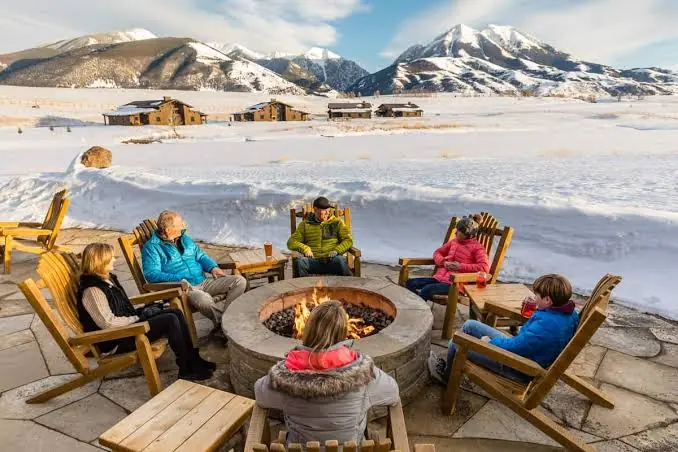
High-altitude desert plateaus experience cold winter temperatures, freezing night frosts, and occasional snowfall, requiring warm winter outerwear during off-peak months.
2. “Desert Resorts Offer Little for Kids To Do”
Top desert properties feature splash parks, rock climbing walls, junior ranger programs, and dark-sky astronomy observatories designed specifically for children.
3. “You Spend All Your Time Indoors Under Air Conditioning”
Smart resort design uses shaded courtyards, misting networks, and cooled plunge pools, allowing guests to enjoy outdoor living comfortably throughout the day.
Ethical, Practical, and Contextual Considerations
Choosing sustainable desert resorts helps protect fragile arid ecosystems and conserves regional groundwater reserves. Leading properties invest in solar energy microgrids, native plant xeriscaping, advanced water recycling plants, and wildlife corridor preservation projects.
Supporting eco-conscious desert resorts preserves delicate red-rock landscapes, protects native desert wildlife, and sustains vibrant Southwestern communities for future generations to explore.
Strategic Conclusion
Finding top luxury family desert destinations usa requires evaluating regional altitudes, thermal management systems, and casita accommodation layouts. Understanding how desert hospitality adapts to extreme sun exposure allows families to select properties that blend natural beauty with modern comfort.
Matching desert geography to your family’s needs, managing heat schedules intelligently, and selecting spacious casita layouts transforms arid desert vacations into unforgettable multi-generational retreats.