Top Eco Friendly Family Resorts in America: Sustainability Guide
Sustainable hospitality for traveling groups requires balancing heavy resource consumption with strict ecological stewardship. Large family stays naturally increase municipal waste generation, grid electricity consumption, and domestic water usage. Eco-conscious properties must manage these heavy operational demands while delivering high-end comfort and engaging environmental education for children.
Achieving true sustainability requires going beyond visible eco-friendly features like bamboo toothbrush amenities or optional linen reuse cards. Real environmental performance depends on hidden infrastructure investments. These systems include off-grid solar microgrids, closed-loop greywater recycling facilities, dynamic geothermal HVAC loops, and zero-waste culinary composting systems.
Evaluating sustainable destinations requires analyzing physical engineering, operational supply chains, and localized conservation efforts. Outstanding eco-lodges maintain delicate natural ecosystems while offering engaging outdoor learning, local wildlife research access, and multi-generational recreation for families.
Top Eco Friendly Family Resorts in America
Evaluating top eco friendly family resorts in america involves assessing environmental engineering, regional resource protection, and age-appropriate conservation programming. Traditional luxury resorts often consumed vast municipal energy and generated significant solid waste. Modern sustainable retreats install advanced eco-infrastructure that reduces carbon emissions while delivering educational nature experiences for traveling families.
Understanding authentic sustainable hospitality requires looking past surface marketing campaigns. Leading eco-resorts build custom water recycling plants, source seasonal produce from regional organic farms, and construct buildings using non-toxic locally harvested materials.
Renewable Microgrids and Energy Systems
Leading properties utilize rooftop solar arrays and battery banks to power guest accommodations without relying on fossil fuel energy grids.
Closed-Loop Waste and Water Systems
High-performing eco-resorts treat waste water on-site using natural reed beds, channeling clean greywater directly into landscape irrigation.
Youth Conservation Academies
Top destinations engage children with hands-on wildlife monitoring, soil composting classes, and guided marine biology expeditions across local nature reserves.
Deep Contextual Background
Sustainable travel across North America evolved from simple wilderness rustic cabins into highly engineered eco-luxury sanctuaries. Early national park lodges focused on basic wilderness access, operating with minimal environmental management or waste handling systems.
The Rise of Eco-Certifications
During the late 1990s, third-party eco-certifications gained traction across the hospitality industry. Properties began measuring carbon output, installing low-flow bathroom fixtures, and replacing single-use plastic bottles across guest suites.
The Shift Toward Regenerative Travel
By the mid-2010s, travelers sought destinations that actively restored local ecosystems rather than merely minimizing damage. Contemporary resorts restore wetlands, protect native wildlife corridors, and generate surplus solar power for nearby rural communities.
Modern High-Tech Sustainability
Today’s premier eco-friendly resorts combine advanced building science with immersive nature programs. Guests enjoy net-zero energy villas, organic farm dining, and interactive wildlife conservation sessions led by resident marine biologists and field naturalists.
Conceptual Frameworks and Mental Models
Analyzing top eco friendly family resorts in america requires clear framework models that balance environmental engineering, youth engagement, and residential comfort.
1. The Eco-Resort Sustainability Triad
This model evaluates properties across three main criteria: Infrastructure Engineering, Youth Conservation Programs, and Local Ecosystem Support.
-
Infrastructure Engineering: Off-grid renewable power generation, rainwater harvesting, and zero-waste composting.
-
Youth Conservation Programs: Interactive environmental learning that actively engages children during their stay.
-
Local Ecosystem Support: Wildlife habitat restoration, native tree planting, and regional farm partnerships.
Framework Limit: Custom environmental engineering increases initial construction costs and room nightly rates.
2. The Green Hospitality Spectrum
This framework measures a resort’s environmental commitment, distinguishing basic greenwashed properties from true net-zero regenerative sanctuaries.
Framework Limit: Strict zero-waste rules may require small operational adjustments from guests during their stay.
3. The Multi-Generational Eco-Engagement Matrix
This model assesses how effectively an eco-resort tailors environmental activities across different age groups, from toddlers to grandparents.
Framework Limit: Providing specialized naturalists for various age groups requires hiring larger expert teams.
Key Categories and Operational Variations
Eco-friendly family resorts across the United States vary depending on geographical location, local ecosystems, and core sustainability technologies.
1. Coastal Island Marine Sanctuaries
Located in Hawaii, Florida, and coastal California, these resorts focus on coral reef restoration, sea turtle conservation, and solar desalination plants.
Families participate in guided reef snorkeling and marine biology research. High ocean air salinity requires continuous maintenance of electronic equipment.
2. High-Alpine Mountain Eco-Lodges
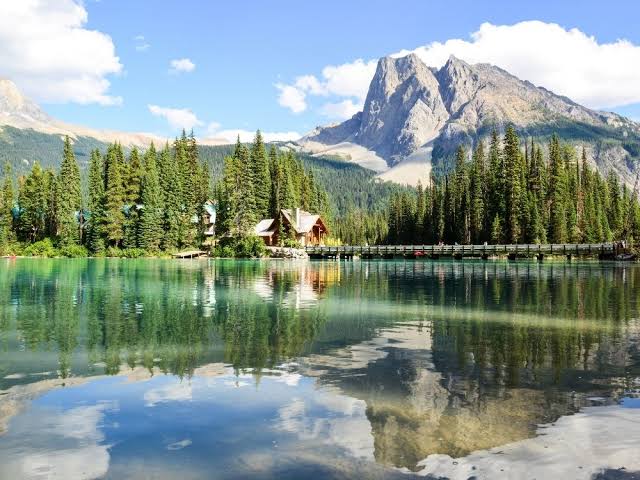
Situated across Colorado, Wyoming, and the Pacific Northwest, these lodges feature geothermal heating systems, timber construction, and mountain trail preservation.
Guests join guided wildlife tracking, alpine forest conservation, and winter snowshoe tours. Short summer seasons limit warm-weather outdoor activities.
3. Desert Solar Retreats
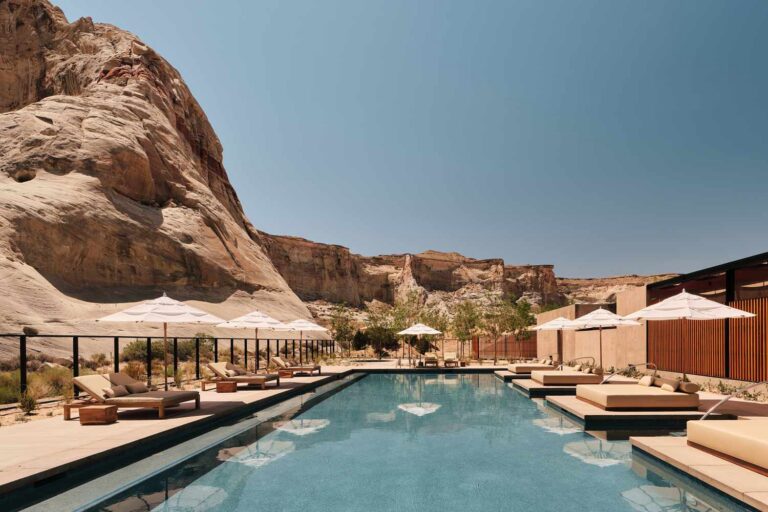
Positioned across Arizona, Utah, and New Mexico, these retreats utilize solar power, dark-sky protection, and xeriscaping water management.
Families explore desert ecology, astronomy nights, and native plant gardening. High summer afternoon temperatures constrain outdoor daytime activities.
4. Pacific Rainforest Havens
Located in Washington State and Oregon, these properties emphasize old-growth forest protection, rainwater catchment, and salmon habitat restoration.
Visitors participate in forest ecology walks, tree planting, and stream monitoring. Continuous cloud cover reduces solar panel electricity generation.
| Eco-Resort Category | Primary Energy Source | Core Conservation Focus | Signature Youth Activity | Key Operational Challenge |
| Coastal Marine Sanctuary | Rooftop Solar Arrays | Coral Reef & Turtle Care | Marine Biologist Snorkel | Equipment salt corrosion |
| High-Alpine Lodge | Geothermal Heat Loops | Mountain Wildlife Corridors | Alpine Animal Tracking | Brief warm summer season |
| Desert Solar Retreat | Solar & Battery Microgrid | Water Xeriscaping Care | Stargazing & Native Plants | Summer afternoon heat |
| Pacific Rainforest Haven | Hydroelectric & Micro-Solar | Old-Growth Forest Health | Salmon Stream Monitoring | High seasonal rainfall |
Strategic Regional Selection Logic
Selecting from top eco friendly family resorts in america requires aligning geographical location with your family’s preferred environmental activities:
Detailed Real-World Scenarios
Evaluating actual family travel scenarios illustrates how location choice, infrastructure design, and activity scheduling shape sustainable vacations.
Scenario 1: Multi-Generational Family Trip to a Coastal Island Eco-Resort
-
Context: A twelve-person family including grandparents, adult siblings, and young children books a seven-day stay at a solar-powered Hawaiian eco-resort.
-
Constraints: Grandparents need accessible ground-level walkways; parents want clean organic dining; kids desire ocean water sports.
-
Selected Strategy: Solar Villa Cluster with Direct Beach Access.
-
Decision Points: The family reserves a clustered villa compound powered by rooftop solar panels. Children join morning sea turtle tracking with resident biologists, while grandparents take low-impact botanical garden walks. The entire family gathers for ocean-front farm-to-table dinners.
-
Failure Modes: Booking standard resort rooms without accessible paths restricts mobility for older family members.
-
Second-Order Effects: Direct participation in sea turtle protection fosters lifelong conservation habits among young children.
Scenario 2: Active Teen Getaway to a Rocky Mountain Alpine Eco-Lodge
-
Context: Parents traveling with two teenagers (ages 13 and 16) plan an August mountain trip focused on wilderness skills and hiking.
-
Constraints: Teenagers prefer active physical challenges; parents want comfortable geothermal accommodations and farm dining.
-
Selected Strategy: Alpine Eco-Lodge with Wilderness Adventure Academy.
-
Decision Points: The family chooses a timber eco-lodge operating entirely on geothermal heating and solar energy. Teenagers complete guided mountain trail repair and wildlife tracking, while parents enjoy peaceful nature walks before family dinners.
-
Failure Modes: Selecting a passive luxury spa without active teenager programs causes boredom and frustration.
-
Second-Order Effects: Active involvement in mountain trail conservation teaches teens practical environmental stewardship skills.
Scenario 3: Young Family Retreat to an Oregon Rainforest Haven
-
Context: A family with a 4-year-old and an 8-year-old seeks a quiet forest getaway focused on nature education.
-
Constraints: Young children require simple walking trails and predictable daily schedules; parents want sustainable organic meals.
-
Selected Strategy: Rainforest Treehouse Villa with On-Site Organic Kitchen.
-
Decision Points: Parents pick an eco-lodge featuring treehouse cabins built from reclaimed timber. Kids join guided stream bug hunts and organic garden harvesting, returning for early healthy dinners cooked on-site.
-
Failure Modes: Booking a high-density coastal resort with loud crowds disrupts sleep routines for young children.
-
Second-Order Effects: Hands-on soil and stream exploration builds early interest in natural sciences.
Planning, Cost, and Resource Dynamics
Budgeting for stays at premier eco-resorts involves understanding higher initial nightly rates alongside included educational activities and organic dining.
Peak Season Rate Fluctuations
Eco-resorts experience demand variations tied to local weather patterns. Coastal island resorts peak during winter months, whereas mountain lodges charge premium rates during summer hiking and winter ski seasons.
Infrastructure Conservation Surcharges
Maintaining off-grid solar microgrids, closed-loop greywater plants, and local nature sanctuaries increases resort operational costs. These expenses are offset by daily conservation fees added to room charges.
Premium Educational Activity Costs
Hiring certified naturalists, marine biologists, and wilderness survival instructors adds costs beyond standard lodging rates. Custom private excursions should be factored into your travel budget.
| Eco-Resort Category | Peak Nightly Villa Rate | Private Naturalist Fee | Environmental Surcharge | Ideal Travel Season |
| Coastal Marine Sanctuary | $1,400 – $3,200 | $200 – $400 / tour | $75 – $150 / night | November through April |
| High-Alpine Eco-Lodge | $1,200 – $2,800 | $180 – $380 / tour | $50 – $120 / night | June through September |
| Desert Solar Retreat | $1,100 – $2,500 | $150 – $350 / tour | $45 – $100 / night | October through May |
| Pacific Rainforest Haven | $950 – $2,200 | $140 – $300 / tour | $40 – $90 / night | May through October |
Tools, Strategies, and Support Systems
Planning a family trip to an eco-resort requires reviewing third-party green certifications, reserving educational tours, and preparing proper outdoor gear.
1. Verified Third-Party Eco-Certifications
Check for recognized environmental standards like LEED Certification, Green Key Global, or Audubon International to confirm authentic environmental practices.
2. Pre-Arrival Eco-Activity Reservation
Reserving marine biology sessions, private nature tours, and farm workshops weeks before arrival ensures access during peak seasons.
3. Packing Sustainable Gear
Bring reusable water bottles, reef-safe mineral sunscreens, and non-toxic outdoor gear to align with strict resort environmental policies.
Risk Landscape and Failure Modes
Visiting eco-friendly resorts can present operational, environmental, and logistical challenges that require advance preparation.
1. Solar Microgrid Capacity Limits
Extended rainy weather can reduce off-grid solar energy generation. Top eco-resorts maintain backup battery banks to ensure continuous power for guest rooms.
2. Unpaved Remote Access Roads
Reaching isolated mountain or forest lodges often requires driving down unpaved dirt roads. Consider renting an all-wheel-drive vehicle for safe rural transportation.
3. Program Fatigue from Excessive Classes
Filling every day with structured natural science classes can tire young children. Leave open afternoons for unstructured outdoor play and relaxation.
Governance, Maintenance, and Long-Term Adaptation
Evaluating your eco-resort stay helps refine future family travel planning as children grow and interest in specific environmental sciences expands.
Post-Stay Evaluation Checklist
Use this checklist to evaluate your stay at an eco-friendly family destination:
-
Did the resort demonstrate genuine environmental performance through off-grid energy or water recycling systems?
-
Were youth natural science programs engaging and educational for your children’s age levels?
-
Did room accommodations offer modern comfort without compromising sustainable building practices?
-
Were organic dining options freshly prepared and sourced from regional farms?
-
Did local wildlife or marine conservation activities respect native ecosystems?
Measurement, Tracking, and Evaluation
Assessing vacation quality involves combining qualitative environmental learning with quantitative energy and waste performance.
Qualitative Metrics
-
Environmental Awareness: Observed increases in your children’s knowledge of wildlife, ocean care, and recycling practices.
-
Outdoor Engagement: Family participation levels during guided nature walks, stream monitoring, and farm harvesting.
-
Restful Experience: Satisfaction with peaceful, quiet rooms built from natural non-toxic materials.
Quantitative Metrics
-
Renewable Energy Share: Percentage of resort electricity supplied by clean solar arrays or geothermal heat pumps.
-
Waste Reduction: Total volume of organic kitchen waste successfully diverted into farm soil composting.
-
Budget Tracking: Keeping total expenditure, including room rates, activity fees, and dining, within target parameters.
Common Misconceptions and Oversimplifications
1. “Eco-Resorts Lack Modern Amenities and Comfort”
Premier eco-lodges feature high-end amenities like private plunge pools, plush organic bedding, and gourmet farm dining powered by advanced clean technologies.
2. “Reusing Hotel Towels Equals Genuine Sustainability”
True environmental performance requires heavy capital investments in solar microgrids, closed-loop greywater plants, and regional wildlife habitat protection.
3. “Eco-Friendly Destinations Are Only Suitable for Adults”
Top sustainable properties build dedicated youth conservation academies, engaging kids with hands-on marine biology, animal tracking, and farm harvesting.
Ethical, Practical, and Contextual Considerations
Choosing authentic eco-friendly resorts supports regional environmental conservation and rural economic development. Leading destinations hire local naturalists, support regional organic farms, and donate a portion of room revenue to wildlife sanctuaries.
Selecting certified green properties ensures your travel dollars fund genuine ecosystem restoration, clean energy adoption, and sustainable community growth for years to come.
Strategic Conclusion
Identifying top eco friendly family resorts in america involves evaluating off-grid environmental engineering, local wildlife stewardship, and age-appropriate youth education. Understanding how sustainable properties balance high-end comfort with eco-infrastructure allows families to select travel destinations that protect natural environments.
Aligning geographical locations with your family’s favorite natural activities creates meaningful vacations that foster a lifelong commitment to environmental stewardship.