Top Beachfront Family Resort Options | Ultimate Planning Guide
Selecting coastal hospitality destinations for family travel requires navigating physical geography, guest demographics, and resort management models. Coastal properties operate within dynamic environmental conditions that directly influence guest experience. Tide variations, surf intensity, beach composition, and seasonal weather patterns govern coastal recreation safety and usability. When multi-generational groups evaluate coastal properties, underlying operational designs often dictate overall travel satisfaction.
Evaluating coastal resorts requires moving past high-resolution photography and polished marketing brochures. A property boasting pristine white sand may experience strong undertows that render ocean swimming unsafe for young children. Similarly, properties located near shallow lagoons might face seasonal sargassum seaweed accumulations that impede watersports and produce unpleasant odors.
Managing family stays along coastal fringes involves balancing access to water sports with spatial safety and restful residential wings. Premier properties integrate physical coastal protection, specialized youth facilities, and flexible dining hubs into cohesive master plans. This guide offers an analytical framework for evaluating, comparing, and selecting coastal properties built for family vacations.
Understanding “top beachfront family resort options”
Evaluating the top beachfront family resort options requires a systematic approach to coastal real estate, marine safety, and hospitality engineering. Consumers often assume that any property carrying a “beachfront” designation offers immediate, walkable access to calm, swimmable ocean water. However, beachfront designations frequently cover properties separated from the shore by steep cliffs, coastal highways, or ecologically protected mangrove belts.
Evaluating these properties requires analyzing how well physical infrastructure supports diverse family needs. A resort might feature luxury suites, yet force families with strollers to navigate long staircases down to the sand. Another property might offer immediate sand access but lack shade structures, leaving guests exposed to intense tropical sun.
Coastal Safety Engineering
Safe ocean access requires gentle beach slopes, natural barrier reefs, or protected bay structures that dissipate heavy wave action. High-performing properties station certified lifeguards along primary swimming zones and provide real-time marine safety updates.
Spatial Master Planning
Effective coastal resort layouts place high-activity pool zones away from peaceful residential suites. This design prevents daytime swimming noise from disturbing young children’s nap schedules or adult rest periods.
Integrated Beach Services
Seamless coastal service systems supply fresh towels, beach umbrella shade, complimentary non-motorized water sports, and beachside dining directly to sand lounger areas.
Deep Contextual Background
Coastal tourism developed alongside expanding transportation networks during the late nineteenth century. Early seaside resorts catered to wealthy urban travelers seeking therapeutic ocean air and mineral baths. These historical properties featured grand architectural footprints positioned along boardwalks, keeping guests separate from active beach environments.
The Post-War Beach Boom
Commercial aviation expanded dramatically during the 1950s and 1960s, making coastal destinations accessible to middle-class families. Developers built high-rise coastal hotels directly along sand lines, featuring outdoor pools, sun decks, and casual beachfront dining options.
The All-Inclusive Mega-Resort Shift
During the 1980s and 1990s, coastal hospitality shifted toward expansive, self-contained mega-resorts. Properties integrated water parks, sailing centers, and specialized youth clubs, allowing families to stay entirely within resort grounds for their full vacation.
Modern Ecological Integration
Modern coastal developments prioritize environmental sustainability and resilient infrastructure. Leading operators restore natural sand dunes, protect coral reefs, and design low-impact villas that blend into surrounding coastal ecosystems while delivering high-end comfort.
Conceptual Frameworks and Mental Models
Evaluating coastal resorts requires structured frameworks to analyze environmental conditions, spatial functionality, and service reliability.
1. The Coastal Equilibrium Triangle
This model measures a property across three primary operational capabilities: Marine Safety, Pedestrian Accessibility, and Recreational Diversity.
-
Marine Safety: Calm shorelines, clear water visibility, gentle sand gradients, and active lifeguard coverage.
-
Pedestrian Accessibility: Boardwalks, ramps, and flat stone paths allowing smooth stroller and wheelchair movement from rooms to the beach.
-
Recreational Diversity: Balanced activities spanning sailing, snorkeling, beach volleyball, water parks, and quiet lounge zones.
Framework Limit: Seeking perfect marine safety inside sheltered lagoons can sometimes reduce water circulation, affecting water clarity during peak summer weeks.
2. The Coastal Footprint Pressure Index
This metric measures how well a property manages guest density along its sand frontage. It tracks linear beach feet per room, sun lounger ratios, and pool deck square footage.
Framework Limit: Extensive beach length cannot offset poor service staffing or inadequate umbrella shade installations.
3. The Shoreline Resilience Matrix
This framework evaluates a property’s ability to maintain beach quality during seasonal weather changes, king tides, or seaweed influxes.
Framework Limit: Natural seasonal shifts can occasionally overpower even the most advanced coastal management systems.
Key Categories and Operational Variations
Coastal family properties operate across several distinct property categories, each presenting specific structural benefits and operational trade-offs.
1. Barrier Reef Protected Bay Resorts
Properties set along barrier-protected bays—such as those in parts of Hawaii, Fiji, or the Riviera Maya—offer calm, shallow ocean water. These locations allow young children to wade safely while parents relax along the shoreline.
These destinations deliver reliable ocean swimming and excellent snorkeling conditions. However, protected bays often restrict motorized sports like jet skiing to preserve marine life.
2. Integrated Coastal Mega-Resorts
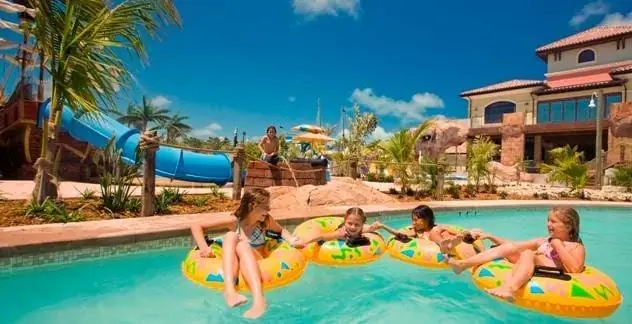
Large-scale integrated coastal resorts feature extensive pool complexes, lazy rivers, and water slides alongside natural beach access. Destinations like Atlantis in the Bahamas or Baha Mar deliver non-stop water recreation.
These properties keep energetic children and teenagers engaged constantly. The main trade-off involves heavy foot traffic, high noise levels, and crowded towel stations.
3. Boutique Coastal Eco-Resorts
Boutique eco-resorts maintain low room counts while emphasizing natural shoreline preservation. Properties like Carlisle Bay in Antigua or Jean-Michel Cousteau Resort in Fiji focus on marine education, quiet beach environments, and local culture.
These properties offer personalized service and peaceful coastal settings. However, they provide fewer dining venues and smaller youth facility spaces.
4. Cliffside Coastal Enclaves
Cliffside properties offer dramatic ocean views from elevated terrain. These resorts utilize funiculars, elevators, or golf carts to transport guests down to private cove beaches.
These destinations provide sweeping views and private beach coves. However, relying on elevators or shuttles creates delays for families traveling with strollers and beach gear.
5. Private Island Family Resorts
Private island resorts offer complete seclusion, controlled guest access, and surrounding sand beaches. Properties like Jumby Bay Island in Antigua or Castaway Island in Fiji deliver safe, self-contained coastal environments.
These islands deliver unmatched privacy and pristine beaches. The primary trade-off involves longer boat transfers and higher overall trip costs.
| Property Category | Average Room Count | Ocean Water Profile | Transit Infrastructure | Ideal Target Group |
| Barrier Reef Bays | 150 – 400 | Calm / Shallow / Clear | Paved / Level Ramps | Families with Toddlers & Young Kids |
| Integrated Parks | 600 – 2,000+ | Variable / Open Surf | Elevators / Promenades | Multi-Age Families & Teenagers |
| Boutique Eco-Lodges | 30 – 100 | Calm / Protected Cove | Boardwalks / Sand Paths | Eco-Conscious Families & Kayakers |
| Cliffside Enclaves | 100 – 250 | Deep Water / Shorebreak | Funiculars / Shuttle Vans | Families with Older Children |
| Private Island Resorts | 20 – 80 | Surrounding Shallow Reef | Private Boat / Helicopter | Families Seeking Complete Privacy |

Strategic Decision Logic for Category Selection
Choosing among the top beachfront family resort options requires matching physical shoreline features with your family’s recreational goals:
Detailed Real-World Scenarios
Analyzing real-world scenarios illustrates how different coastal property layouts perform under specific family requirements and physical constraints.
Scenario 1: Multi-Generational Beach Gathering
-
Context: A family group of fourteen—including grandparents, adult siblings, teenagers, and a toddler—books a seven-night beach vacation.
-
Constraints: Needs flat walking paths for grandparents, safe shallow swimming for the toddler, and water sports for teenagers.
-
Selected Property Type: Barrier Reef Protected Bay Resort with Villa Residences (e.g., Rosewood Little Dix Bay, British Virgin Islands).
-
Decision Points: The family reserves a multi-bedroom beach villa steps from a calm, reef-protected bay. Grandparents enjoy step-free access to beach chairs, while teenagers use complimentary paddleboards and kayaks nearby.
-
Failure Modes: Selecting a high-rise cliffside resort forces elderly relatives to wait for elevators and navigate steep ramps to reach the sand.
-
Second-Order Effects: Direct beachfront villa access allows family members to return to private air-conditioned rooms throughout the day without packing up gear.
Scenario 2: Active Teenager Coastal Excursion
-
Context: A family with two teenagers aged 13 and 16 seeking an active water sports vacation.
-
Constraints: Requires surfing options, scuba diving programs, lively pool areas, and social opportunities with peers.
-
Selected Property Type: Integrated Coastal Resort with Active Surf Access (e.g., Grand Hyatt Kauai Resort & Spa, Hawaii).
-
Decision Points: The family books connecting oceanview rooms near the main lagoon pool complex. Teenagers participate in daily surf lessons, ocean kayaking, and beach volleyball matches.
-
Failure Modes: Booking a quiet, isolated bay resort leaves teenagers bored due to limited water sports and lack of peer social hubs.
-
Second-Order Effects: Engaging sports programs allow teenagers to build independence while parents relax peacefully by adult quiet pools.
Scenario 3: Toddler Beach Safety and Rest
-
Context: Parents traveling with an 18-month-old toddler and a 4-year-old child.
-
Constraints: Demands zero-entry pools, dense beach shade, short walking routes, and quiet room locations.
-
Selected Property Type: Compact Oceanfront Resort with Protected Cove (e.g., Mauna Lani, Auberge Resorts Collection, Hawaii).
-
Decision Points: The parents book a ground-floor oceanfront suite near the sheltered cove pool. They request beach cabana setups daily to protect young skin from mid-day sun exposure.
-
Failure Modes: Selecting an open oceanfront property with heavy wave action prevents children from swimming safely in the sea.
-
Second-Order Effects: Quick room access allows parents to manage toddler nap times easily without leaving the beach zone for long periods.
Planning, Cost, and Resource Dynamics
Budgeting for coastal family resort stays requires calculating base lodging rates, resort fees, watersport equipment rentals, and beach amenity charges.
Direct Accommodation Expenses
Direct costs include room package rates, mandatory resort fees, and service surcharges. Nightly rates for oceanfront family accommodations range from $450 per night at mid-scale properties to over $3,500 per night for luxury beachfront villas during peak travel seasons.
Indirect Beach and Recreation Costs
Optional beach services add up quickly. Private oceanfront cabana rentals range from $150 to $750 per day depending on location and seasonal demand. Motorized water sports like jet ski rentals or parasailing cost $100 to $250 per session, while private boat charters exceed $1,500 per half-day.
Seasonal Price Variations
Coastal resort rates fluctuate based on weather patterns and school vacation calendars. Winter holiday weeks and spring break periods carry premium room rates, non-refundable deposit terms, and mandatory minimum stay requirements. Conversely, shoulder seasons offer reduced rates, though weather risks like tropical storms increase in certain ocean basins.
| Expense Category | Mid-Scale Coastal Property | Upper-Upscale Beach Resort | Ultra-Luxury Coastal Villa |
| Nightly Rate (Family of 4) | $400 – $750 | $850 – $1,800 | $2,200 – $6,500+ |
| Daily Resort / Beach Fee | $30 – $50 | $60 – $100 | Included in Base Rate |
| Beach Cabana Rental | $100 – $200 / day | $250 – $500 / day | Included or Reserved |
| Non-Motorized Water Sports | $25 – $50 / hour | Included in Package | Included in Package |
| Airport Beach Shuttle | $60 – $120 | $150 – $300 | Private Luxury Van Included |
Tools, Strategies, and Support Systems
Selecting among the top beachfront family resort options requires using specialized planning tools, pre-arrival concierge channels, and marine forecasting services.
1. Pre-Arrival Beach Concierge Planning
Engaging the resort’s pre-arrival concierge 30 to 60 days before check-in allows families to reserve prime beach cabanas, arrange private watersport lessons, and confirm ground-floor room placements near the sand.
2. Satellite and Beach Conditions Tracking
Reviewing live satellite imaging and beach webcams helps verify sand quality, wave conditions, and recent sargassum seaweed presence before finalizing travel bookings.
3. Marine Forecast Applications
Utilizing marine forecast tools like Surfline or Buoyweather provides accurate data on water temperatures, tide schedules, and swell heights for active ocean sports.
Risk Landscape and Failure Modes
Coastal resort stays present unique environmental and operational risks that can disrupt family vacation plans if not properly anticipated.
1. Seasonal Seaweed Influxes
Sargassum seaweed accumulation affects broad stretches of Atlantic and Caribbean shorelines during warm summer months. Heavy deposits cover beaches, prevent water access, and produce unpleasant odors as they decompose.
2. Red-Flag Beach Closures
Open oceanfront properties face strong undertows, rip currents, and heavy shorebreak during seasonal storms. High-wave conditions trigger red-flag beach closures, preventing guests from entering the ocean safely.
3. Lounger Overcrowding
Resorts that lack sufficient sun lounger inventory often experience early-morning towel reservation conflicts. Guests must wake up early just to secure shaded seating near pool decks or beach lines.
Governance, Maintenance, and Long-Term Adaptation
Evaluating coastal properties requires monitoring environmental stewardship, beach replenishment projects, and ongoing facility maintenance over time.
Pre-Booking Coastal Checklist
Before confirming a coastal family resort reservation, review these essential operational factors:
-
Verify current shoreline conditions using recent guest reviews and live webcams.
-
Confirm that primary beach access pathways include step-free ramps or flat boardwalks.
-
Check whether non-motorized water sports (kayaks, paddleboards) are included in package rates.
-
Confirm lifeguard staffing hours along primary swimming beaches and pool complexes.
-
Check whether oceanfront rooms feature effective soundproofing against night wave noise and ocean winds.
Measurement, Tracking, and Evaluation
Assessing whether a coastal resort delivers a superior family experience requires tracking qualitative and operational indicators before, during, and after the stay.
Leading Signals
-
Shoreline Monitoring: Webcams show clean, clear water and active beach activity without seaweed buildup.
-
Concierge Responsiveness: The beach concierge team confirms cabana reservations and watersport bookings within 24 hours.
-
Infrastructure Clarity: The resort provides clear maps detailing ramp access, elevator locations, and beach paths.
Lagging Signals
-
Water Usability: Family members enjoy consistent ocean swimming throughout the full vacation without red-flag closures.
-
Service Efficiency: Beach service staff deliver drinks, towels, and food orders promptly directly to sand loungers.
-
Safety Record: The property maintains zero marine safety incidents, foot injuries, or severe sun distress cases during the stay.
Common Misconceptions and Oversimplifications
1. “Oceanfront Means You Can Swim directly outside Your Room”
“Oceanfront” describes a room’s view, not safe swimming access. Many oceanfront rooms face rocky shores, steep cliffs, or heavy surf zones where swimming is prohibited.
2. “All Beaches Feature Calm, Clear Water Year-Round”
Ocean conditions shift seasonally. Swell directions, wind patterns, and tide changes alter water clarity and wave height dramatically throughout the year.
3. “Water Sports Are Always Included in Resort Rates”
While many resorts advertise water sports, motorized options (jet skis, boat rides) and guided excursions almost always carry high hourly charges.
Ethical, Practical, and Contextual Considerations
Evaluating coastal properties involves considering marine conservation, dune preservation, and sustainable tourism practices. Coastal developments can disrupt delicate coastal ecosystems if not managed responsibly. High-performing resorts implement active reef protection programs, restore native sand dune vegetation, restrict plastic use along shorelines, and use turtle-friendly exterior lighting during nesting seasons.
Supporting properties that prioritize environmental stewardship helps preserve delicate coastal habitats for future generations. Choosing resorts that employ local marine guides, support local fisheries, and educate guests on reef safety creates positive social and economic impacts within host communities.
Strategic Conclusion
Evaluating the top beachfront family resort options requires looking past surface marketing photos and analyzing physical geography, water safety profiles, stroller accessibility, and spatial design. Selecting properties that balance protected water zones with flexible beach services ensures a safe, relaxing, and enjoyable vacation for every family member.
Using structured evaluation models, verifying real-time shoreline conditions, and securing pre-arrival amenity reservations helps families choose coastal destinations that deliver memorable travel experiences.