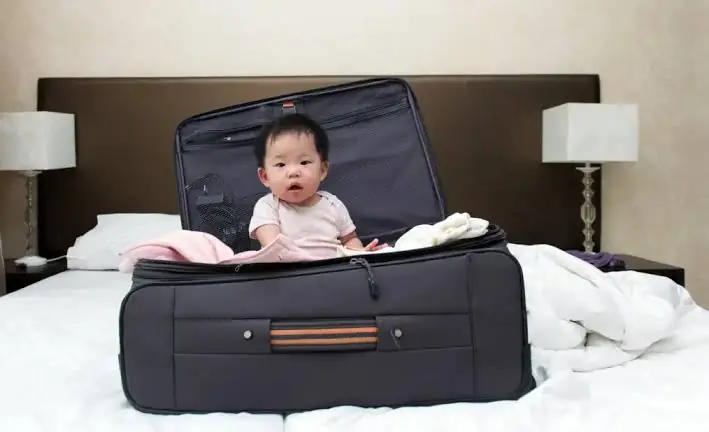
Toddler Vacation Sleep Guide: How to Manage Toddler Sleep Schedules at Family Resorts
Managing early childhood circadian regulation within high-stimulation resort environments presents a complex physiological and operational challenge. Family vacations introduce major disruptions to established home sleep routines, including altered lighting, environmental noise, time zone shifts, and varied daily activity levels. When parents transition young children into unfamiliar hotel rooms or rental suites, internal sleep pressure mechanisms often collide directly with resort activity schedules.
Resolving these circadian disruptions requires looking beyond basic sleep advice and simple relaxation techniques. A resort guest suite designed primarily for adult aesthetic appeal frequently lacks essential sleep-enabling features, such as total light blockage, acoustic isolation, and flexible climate control. Moreover, environmental noise from poolside speakers, hallway foot traffic, and nearby elevators can repeatedly wake toddlers during critical light sleep stages.
Achieving restorative toddler sleep during resort stays requires treating guest rooms as controlled sleep micro-environments. Parents must strategically manage light exposure, room geometry, temperature variations, and daily physical exertion. High-performing travel strategies combine portable blackout solutions and white noise machines with structured wind-down routines and realistic schedule adjustments, preserving childhood rest while allowing families to enjoy vacation activities.
How to Manage Toddler Sleep Schedules at Family Resorts
Mastering how to manage toddler sleep schedules at family resorts requires viewing vacation environments through a sensory and biological lens. Parents often assume that higher physical activity levels during resort play will automatically tire toddlers out, leading to effortless sleep. However, excessive physical exertion combined with intense sensory input regularly triggers cortisol surges, resulting in severe overtiredness, bedtime resistance, and frequent night wakings.
Successful schedule management requires balancing environmental controls with biological sleep pressure. Standard hotel layouts position cribs directly within sight of adult beds, causing toddlers to stay awake seeking interaction. Furthermore, variable resort dining hours and late evening entertainment frequently disrupt consistent pre-bedtime wind-down routines.
Environmental Control Metrics
Achieving uninterrupted sleep requires controlling room darkness, ambient noise, and temperature. Portable suction-cup blackout shades eliminate exterior light leaks, while continuous white noise blocks sudden hallway sounds.
Spatial Visual Separation
Visual cues play a major role in toddler wakefulness. Placing cribs inside separate walk-in closets, alcoves, or behind portable blackout canopy tents prevents children from seeing parents, helping them settle independently.
Biological Wake-Window Tracking
Toddler circadian rhythms rely on consistent wake windows ranging from 4.5 to 5.5 hours between sleep periods. Exceeding these windows leads to overtiredness, causing frequent night waking and early morning wake-ups.
Deep Contextual Background
Family hospitality design evolved significantly over past decades, shifting from basic roadside motels to vast integrated mega-resorts. Historically, family lodgings featured simple, single-room floor plans prioritizing basic bed capacity over acoustic privacy or environmental control. Early resort operators assumed children would adapt naturally to adult vacation schedules without specialized sleeping setups.
The Rise of Multi-Room Family Accommodations
During the late 1990s and 2000s, consumer demand drove rapid growth in multi-room condo-resorts and extended-stay family suites. Developers realized that providing separate sleeping quarters allowed parents to remain awake and socialize after putting toddlers to bed, improving overall vacation satisfaction.
Pediatric Sleep Research and Commercial Technology
The expansion of pediatric sleep research over the past two decades heightened awareness regarding early childhood circadian health. This awareness created a booming market for portable travel sleep products, including blackout shades, sound machines, and travel crib canopies designed specifically to convert hotel rooms into dark sleep sanctuaries.
Modern Hospitality Architectural Trends
Contemporary resort developers increasingly integrate soundproof glass, insulated room doors, and automated blackout drapes into family-focused properties. Modern luxury family brands prioritize peaceful sleeping environments as a core luxury amenity.
Conceptual Frameworks and Mental Models
Managing early childhood sleep during resort vacations requires practical frameworks to analyze sleep debt, environmental stimulation, and scheduling flexibility.
1. The Vacation Sleep Stability Triangle
This model measures sleep stability across three essential conditions: Environmental Control, Spatial Separation, and Wake-Window Anchors.
-
Environmental Control: Eliminating light leaks and dampening external noise using white noise machines and blackout shades.
-
Spatial Separation: Creating physical or visual barriers between adult spaces and toddler sleeping zones.
-
Wake-Window Anchors: Maintaining consistent morning wake times and mid-day nap schedules.
Framework Limit: Unpredictable flight delays or long travel transit times can temporarily disrupt all three framework pillars.
2. The Stimulation Accumulation Model
This model tracks how sensory inputs—such as pool water play, bright sunshine, crowds, and music—accumulate throughout the day, helping parents schedule quiet wind-down periods before bedtime.
Framework Limit: High physical exertion occasionally helps certain toddlers sleep deeply, making stimulation thresholds unique to each child.
3. The Time-Zone Shift Adaptation Matrix
This framework manages circadian adjustments when traveling across multiple time zones, advising parents to shift nap schedules gradually by 15 to 30 minutes daily.
Framework Limit: Short trips lasting under three days rarely allow enough time for full circadian adaptation, making schedule shifts impractical.
Key Categories and Operational Variations
Resort room layouts and property designs vary widely, each presenting specific benefits and operational challenges for toddler sleep.
1. Multi-Room Suites
Multi-room suites provide dedicated bedrooms separated from main living quarters by physical doors.
This layout allows parents to socialize, watch movies, or dine without disturbing sleeping children. The primary trade-off involves higher nightly booking costs.
2. One-Bedroom Condominiums
One-bedroom condos feature a master bedroom plus a separate living room equipped with a kitchenette.
Parents can place the toddler crib in the quiet bedroom while utilizing the living room for evening leisure. However, entryways located near living areas can transmit hallway noise.
3. Standard Single Hotel Rooms
Single-room configurations house all beds within one shared open space.
These rooms represent the most budget-friendly lodging option. However, lack of visual separation often requires parents to sit in darkness or exit to balconies after toddler bedtime.
4. Standalone Cabins and Villas
Detached bungalows and ground-floor villas eliminate shared wall noise from neighboring guests.
These lodgings deliver exceptionally quiet acoustic environments. However, large floor-to-ceiling windows often require extensive manual light blocking using portable blackout shades.
| Accommodation Category | Acoustic Isolation | Light-Blocking Capability | Spatial Separation | Recommended Sleep Gear |
| Multi-Room Suites | Excellent | Moderate to High | High (Physical Doors) | White Noise Machine |
| One-Bedroom Condos | Good | Moderate | Moderate (Sliding / Standard Doors) | Suction Blackout Shades |
| Standard Rooms | Poor to Moderate | Low to Moderate | None (Shared Room) | SlumberPod / Portable Canopy |
| Standalone Cabins | High | Low (Large Windows) | High | Extra Large Blackout Sheets |
| Theme Park Hotels | Poor (High Foot Traffic) | Moderate | Low to Moderate | High-Output White Noise Unit |

Decision Logic for Accommodation Selection
Selecting appropriate accommodations to master how to manage toddler sleep schedules at family resorts requires matching room floor plans with child sensitivity:
Detailed Real-World Scenarios
Analyzing real-world scenarios demonstrates how room selection, gear setup, and daily scheduling impact toddler rest during vacations.
Scenario 1: Standard Room Setup with a Highly Sensitive Toddler
-
Context: A family with a 2-year-old toddler stays in a standard double-queen hotel room at a busy oceanfront resort.
-
Constraints: Highly sensitive toddler who wakes instantly upon making visual contact with parents.
-
Selected Accommodation: Standard Hotel Room equipped with a Portable Darkening Canopy (e.g., SlumberPod).
-
Decision Points: The parents place the pack-and-play inside the darkening canopy in a quiet room corner, positioning a white noise machine nearby.
-
Failure Modes: Placing the crib directly between adult beds without visual screening results in two hours of bedtime crying and late sleep onset.
-
Second-Order Effects: Using the blackout canopy creates complete visual separation, allowing parents to read using soft lamps without disturbing the toddler.
Scenario 2: Two-Hour Time Zone Shift at a Tropical Resort
-
Context: A West Coast family travels two time zones east to a Caribbean resort with a 20-month-old child.
-
Constraints: Shifting schedules east causes toddlers to fall asleep late and struggle with early morning wake-ups.
-
Selected Strategy: Gradual Circadian Adjustment Protocol.
-
Decision Points: The family adjusts nap times and meal schedules forward by 30 minutes each day leading up to the trip. They utilize bright morning sunlight exposure to reset circadian rhythms upon arrival.
-
Failure Modes: Forcing an immediate two-hour schedule jump on night one leads to severe overtiredness and mid-night wakefulness.
-
Second-Order Effects: Exposure to morning outdoor sunlight suppresses melatonin production naturally, aligning internal clocks within three days.
Scenario 3: High Corridor Noise at a Theme Park Resort
-
Context: A family stays near elevators in a high-density theme park resort with a 3-year-old toddler.
-
Constraints: Constant hallway foot traffic and elevator chimes disrupt early evening sleep.
-
Selected Strategy: Acoustic Buffer and Door Sealing Strategy.
-
Decision Points: Parents place a rolled towel along the bottom door gap to block light leaks and soundwaves, running continuous rain-sound audio near the entryway.
-
Failure Modes: Leaving entry door gaps unsealed allows sharp hallway noise to wake the child repeatedly during light sleep cycles.
-
Second-Order Effects: Sound dampening protects early sleep cycles, preventing late-night overtiredness.
Planning, Cost, and Resource Dynamics
Structuring budgets for family resort stays requires calculating room upgrades, specialized travel sleep gear, and schedule flexibility costs.
Direct Accommodation Upgrades
Upgrading from standard hotel rooms to multi-room suites represents the largest direct expense in protecting family sleep quality. However, suite accommodations eliminate adult evening confinement, delivering substantial comfort benefits.
Essential Sleep Gear Investments
Investing in high-quality travel sleep equipment—such as portable blackout shades ($40–$80), white noise units ($30–$60), and blackout crib canopies ($150–$220)—delivers long-term value across multiple trips.
Opportunity Costs of Protecting Nap Windows
Protecting mid-day nap times requires returning to resort rooms between 12:00 PM and 3:00 PM. This schedule commitment reduces available afternoon excursion windows, requiring families to shift activities to morning hours.
| Expense Category | Entry-Level Strategy | Mid-Tier Optimized | Premium Luxury Suite |
| Nightly Room Cost | $180 – $280 (Standard Room) | $320 – $550 (1-Bed Condo) | $750 – $1,800+ (2-Bed Suite) |
| Crib Rental / Gear Setup | $0 (Resort Pack-and-Play) | $15 – $25 / night (Full Crib) | Included (Luxury Wooden Crib) |
| Portable Sleep Gear Kit | $50 (Shades + App Noise) | $200 (Canopy + Noise Unit) | $350 (Full Custom Kit) |
| In-Suite Dining Surcharge | $30 – $60 / day | $0 (Kitchen Cooking) | $100 – $250 / day |
Tools, Strategies, and Support Systems
Successfully executing toddler sleep management protocols relies on specialized tools, environmental controls, and structured routines.
1. Suction-Cup Portable Blackout Shades
Removable blackout curtains fitted with heavy-duty suction cups attach directly to window glass, blocking 100% of exterior sunlight and streetlamp illumination.
2. High-Output Non-Looping White Noise Machines
Dedicated white noise units generate consistent pink or white noise, masking sudden hallway door slams and noisy resort plumbing.
3. Portable Darkening Crib Canopies
Freestanding blackout canopies fit over standard pack-and-plays, providing an enclosed, well-ventilated, and dark sleep environment inside brightly lit rooms.
Risk Landscape and Failure Modes
Navigating toddler sleep at resorts involves anticipating physiological, environmental, and behavioral sleep disruptions.
1. The Overtiredness Cascade
Skipping naps under the assumption that toddlers will fall asleep faster at night triggers cortisol and adrenaline release. This hormonal response leads to severe bedtime resistance, screaming episodes, and frequent night wakings.
2. Early Morning Sunlight Waking
Thin hotel curtains often leak bright sunlight at 5:30 AM. Exposed to natural light, toddler brains suppress melatonin production, causing unwanted early morning wake-ups.
3. Sudden Acoustic Disruptions
Sharp noises—such as late-night fireworks, corridor conversations, or elevator chimes—frequently startle toddlers out of deep sleep cycles if sound masking is absent.
Governance, Maintenance, and Long-Term Adaptation
Maintaining consistent sleep quality across long family vacations requires daily schedule monitoring, sensory audits, and flexible adjustments.
Daily Sleep Room Audit
Before placing a toddler down for rest, complete this quick room checklist:
-
Confirm window blackout shades completely cover glass edges without gaps.
-
Verify white noise volume levels reach 60 to 65 decibels near the crib.
-
Adjust thermostat settings to maintain room temperature between 68°F and 71°F (20°C to 21.5°C).
-
Place entry door draft stoppers or rolled towels across bottom door seams to block hallway sound and light.
-
Confirm that no direct cold air from AC vents blows straight onto the child’s mattress.
Measurement, Tracking, and Evaluation
Evaluating vacation sleep management involves tracking objective sleep duration alongside qualitative child behavior signals.
Leading Indicators
-
Wind-Down Calmness: Toddlers settle peacefully into stories without severe emotional distress.
-
Environmental Darkness: Guest rooms remain pitch-black when lights are extinguished.
-
Adherence to Wake Windows: Mid-day naps begin within target wake-window hours.
Lagging Indicators
-
Night Sleep Duration: Toddlers sleep 10 to 11 hours without major disruptions.
-
Morning Wake Times: Morning wake-ups occur after 6:30 AM rather than pre-dawn hours.
-
Daytime Mood and Energy: Children demonstrate emotional regulation, curiosity, and appetite throughout vacation days.
Common Misconceptions and Oversimplifications
1. “Skipping Naps Makes Toddlers Sleep Better at Night”
Skipping mid-day rest causes cortisol buildup, resulting in bedtime resistance, night wakings, and pre-dawn wake-ups.
2. “Toddlers Adapt to Any Sleep Environment If They Are Tired Enough”
Overstimulated toddlers resist sleeping in bright, unfamiliar rooms, requiring visual barriers and quiet environments to rest.
3. “Stroller Naps Are Useless for Toddlers”
While motion sleep yields slightly less restorative rest, a 60-minute stroller nap in a reclining seat successfully prevents overtiredness during long resort days.
Ethical, Practical, and Contextual Considerations
Managing early childhood sleep requires balancing strict sleep schedules with overall family enjoyment. While protecting sleep quality remains essential, forcing hyper-rigid routines can create unnecessary vacation stress for parents and older siblings.
Adopting flexible sleep strategies—such as alternating between quiet in-room naps and on-the-go stroller rest—strikes a healthy balance. Protecting child circadian health ensures that all family members enjoy a restorative, memorable vacation.
Strategic Conclusion
Mastering how to manage toddler sleep schedules at family resorts requires implementing environmental controls, spatial separations, and wake-window management. Converting hotel rooms into dark sleep sanctuaries, utilizing white noise, and respecting natural wake windows prevents severe overtiredness and protects family rest.
By applying structured sleep models, bringing essential travel sleep gear, and maintaining flexible daily routines, parents can ensure peaceful nights and energized vacation days for the entire family.